

0%

0%

Scroll

2024
Annual
Report

Guardians of Wild
A Message from the CEO

A Message from the CEO

A Message from the CEO

F

or your Toronto Zoo, 2024 marked a milestone—50 years of conservation science and connecting our community with wildlife. When your Toronto Zoo was being developed, it was envisioned as a place where people could come and marvel at the beauty and diversity of wildlife from around the globe. It was a place where the seeds of conservation could be planted, where future generations could be inspired to care for ```our planet and all its inhabitants. This year we reflected on our journey and I think it is fair to say we've achieved far more than anyone could have imagined. 

F

or your Toronto Zoo, 2024 marked a milestone—50 years of conservation science and connecting our community with wildlife. When your Toronto Zoo was being developed, it was envisioned as a place where people could come and marvel at the beauty and diversity of wildlife from around the globe. It was a place where the seeds of conservation could be planted, where future generations could be inspired to care for ```our planet and all its inhabitants. This year we reflected on our journey and I think it is fair to say we've achieved far more than anyone could have imagined. 

F

or your Toronto Zoo, 2024 marked a milestone—50 years of conservation science and connecting our community with wildlife. When your Toronto Zoo was being developed, it was envisioned as a place where people could come and marvel at the beauty and diversity of wildlife from around the globe. It was a place where the seeds of conservation could be planted, where future generations could be inspired to care for ```our planet and all its inhabitants. This year we reflected on our journey and I think it is fair to say we've achieved far more than anyone could have imagined. 

Without question, none of the incredible work that happens here would be possible without the unwavering support of our community and our city. Your Toronto Zoo is not just a place for animals; it is a place for people—a place where families come to learn, explore, and create memories that last a lifetime. We have hosted over 60 million guests, connecting them to the natural world and fostering a lifelong love of nature.

There's a saying I use a lot: ‘The windshield is bigger than the rearview mirror because where we are going is more important than where we have been’. This milestone reminds us that while we’ve accomplished much, our greatest challenges lie ahead. Since 1974, wildlife populations have declined by 69% and Carbon Dioxide levels in the atmosphere have exceeded a critical threshold, passing 400ppm. The role of accredited conservation science focused zoos has never been more crucial. As such, we launched our Guardians of Wild campaign inviting members of the community to join


the Toronto Zoo in protecting wildlife, preventing habitat loss and combating climate change.

There's a saying I use a lot: ‘The windshield is bigger than the rearview mirror because where we are going is more important than where we have been’

It is our responsibility to continue to evolve and challenge assumptions, and we know we can’t do this alone. This year we reaffirmed your Toronto Zoo and our community’s commitment to truth and reconciliation. We launched complimentary year-round access for First Nations, Inuit and Metis people, established the Toronto Zoo Indigenous Advisory Circle to provide advice and guidance on Indigenous programs and services, and supported Indigenous child and youth-centred service agencies including Native Child and Family Services of Toronto and ENAGB Indigenous Youth Agency in onsite programming that weaves traditional knowledge and conservation education.

In a rapidly changing world, we all must remain curious, work tirelessly to effect change, and do better in service to wildlife. We believe contemporary science and traditional knowledge together can make a profound difference. We believe conservation is a team sport, and we need more players. We’re incredibly proud to partner with people and organizations fighting for a better tomorrow, and as we look ahead to the next 50 years we will honour our commitment to saving wild species and wild spaces.  

Your Toronto Zoo Turns 50 

Your Toronto Zoo Turns 50 

Celebrating 50 Years 

O

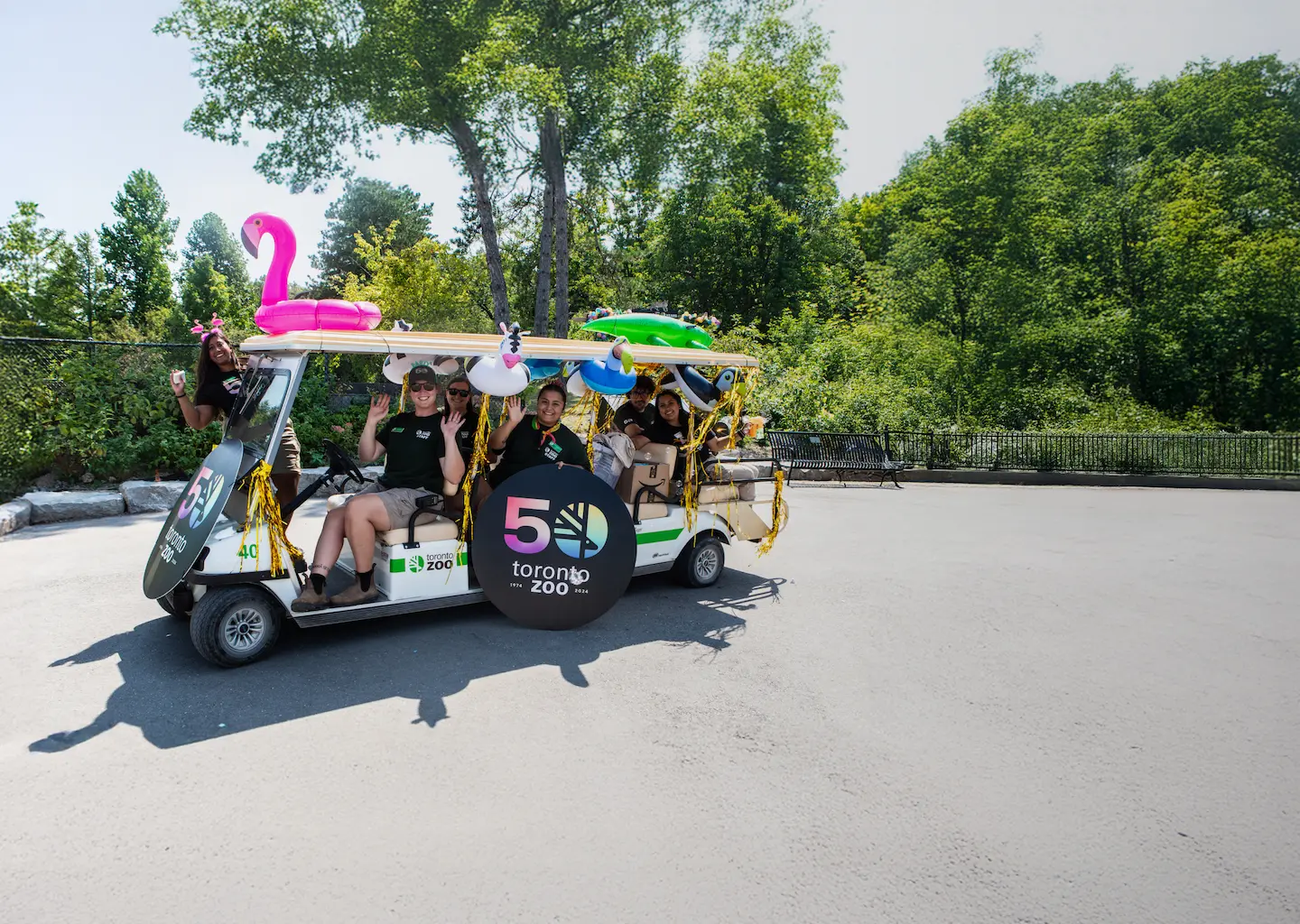
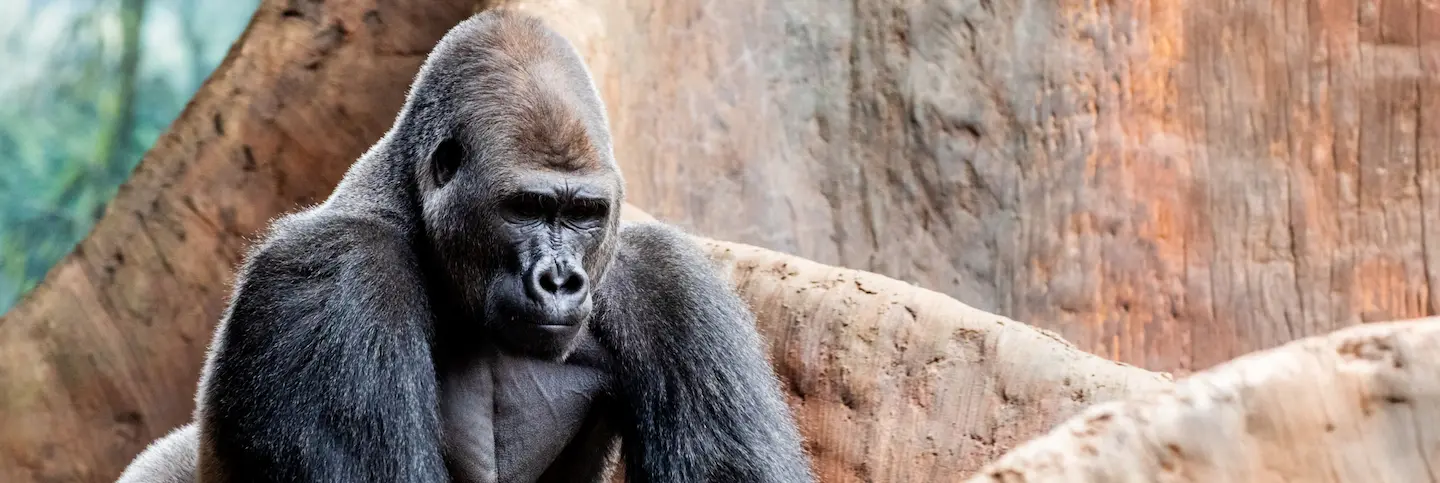
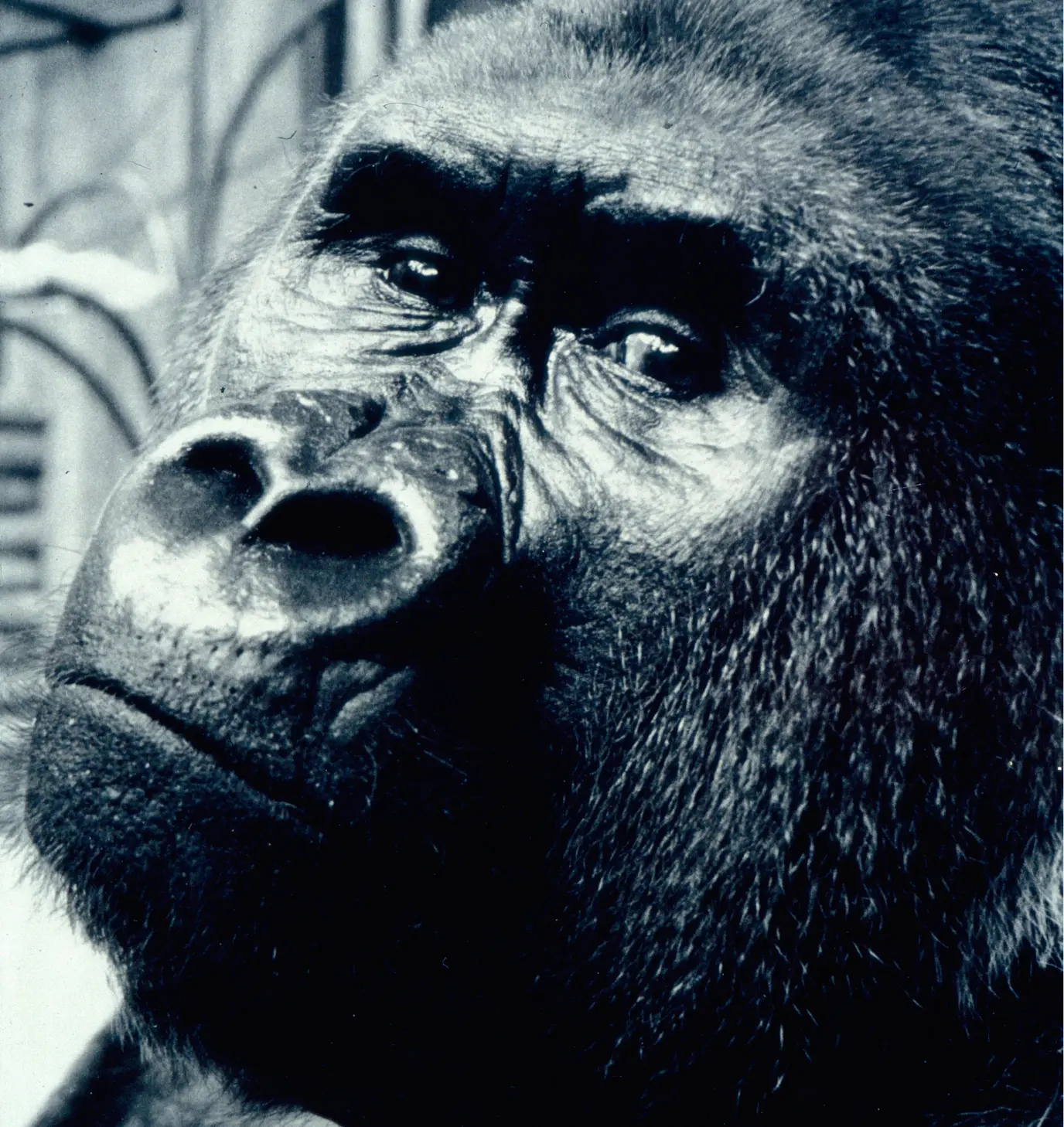
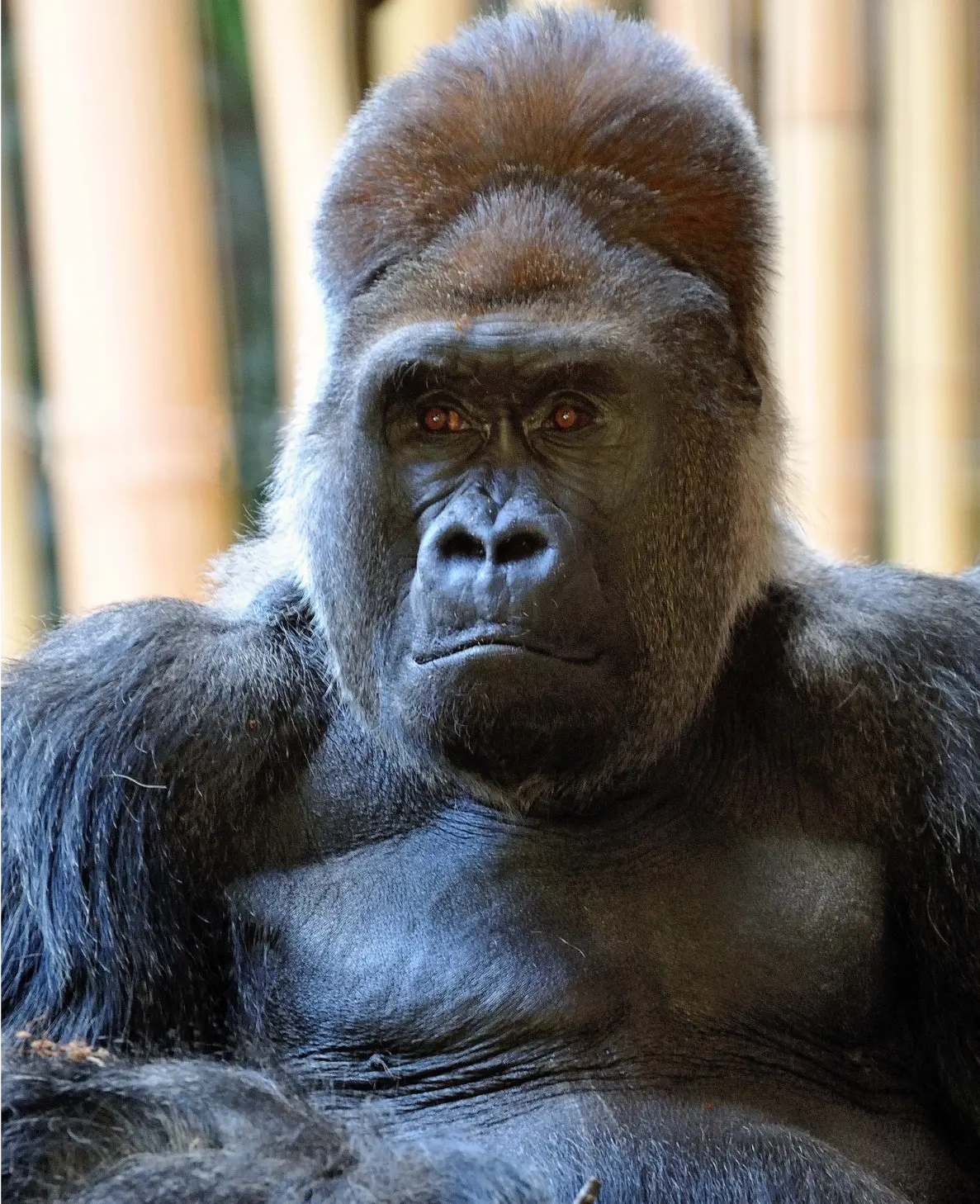
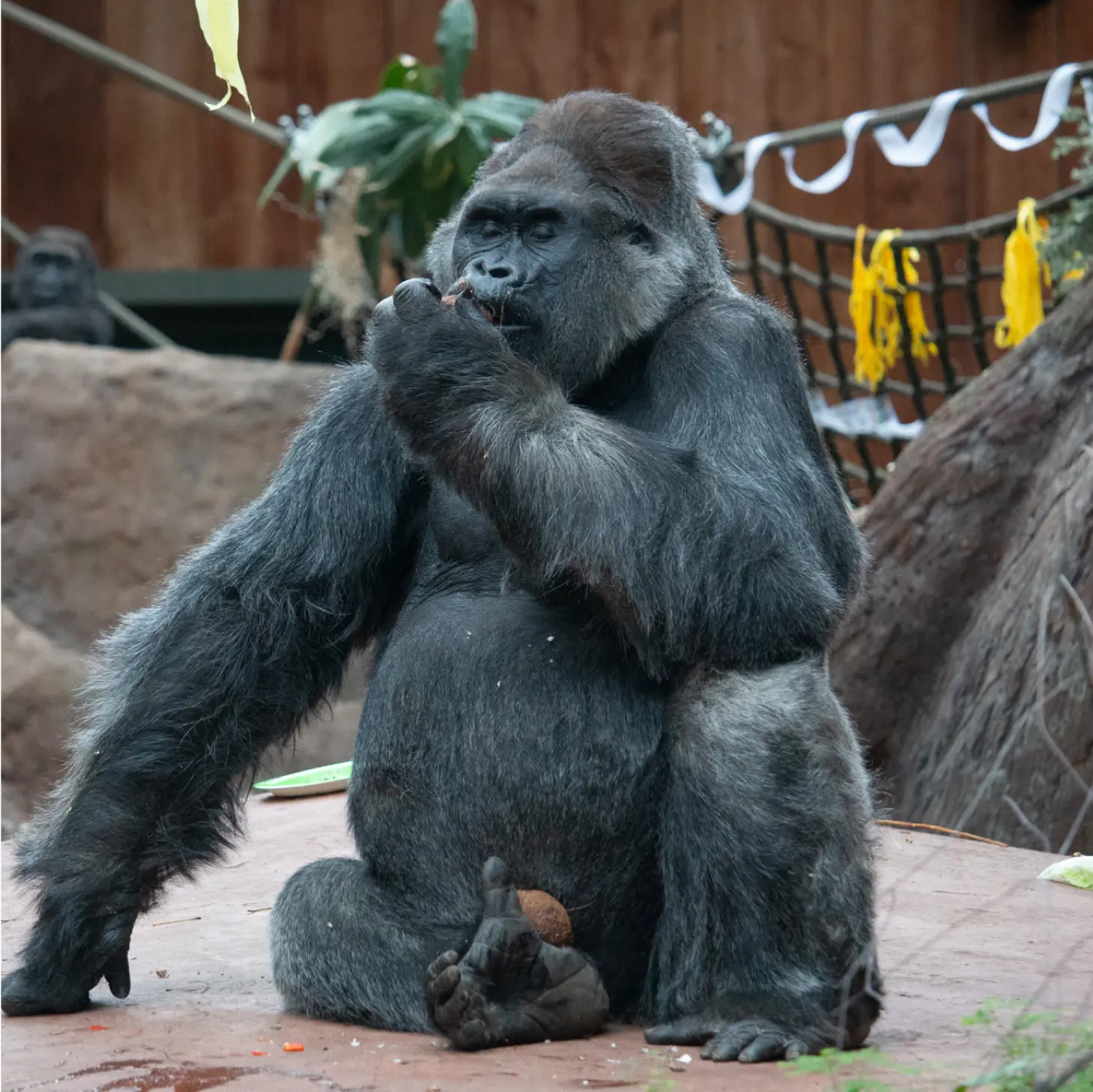
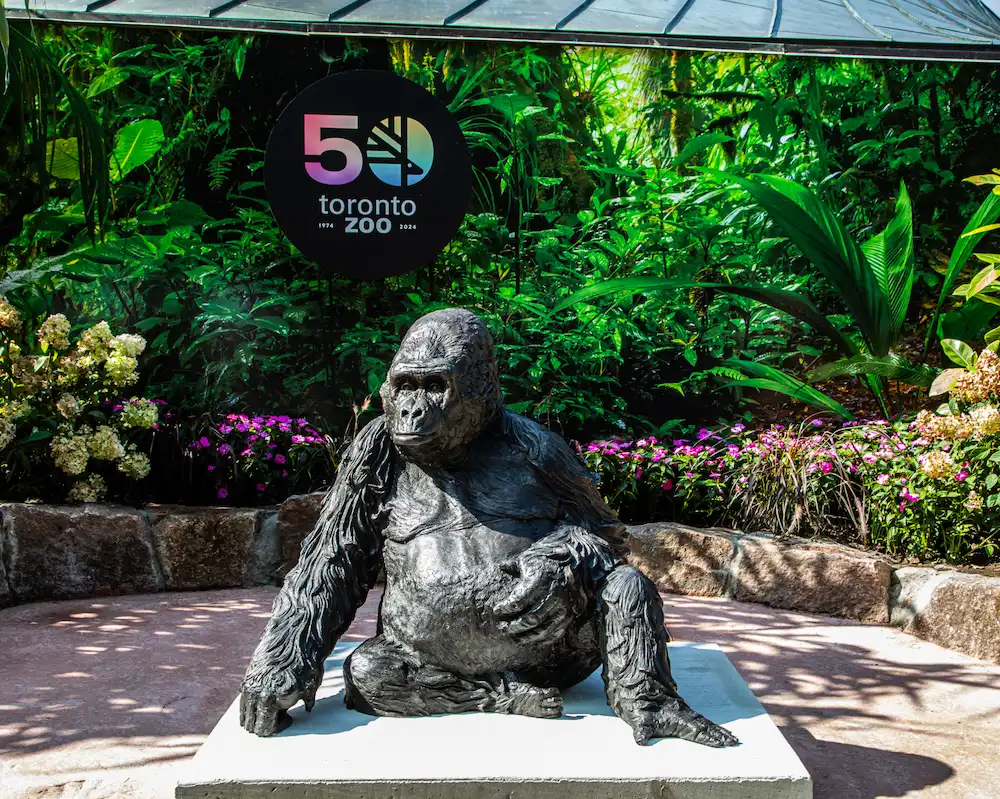
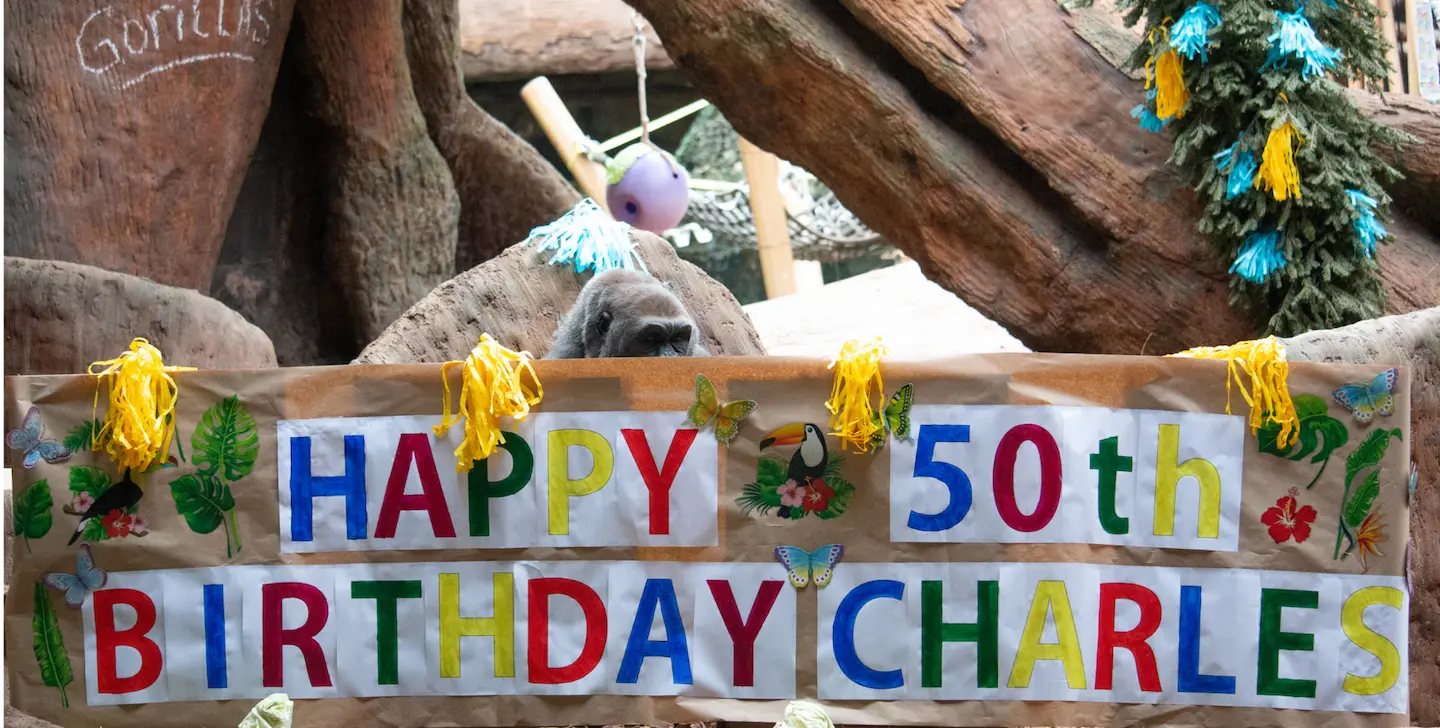
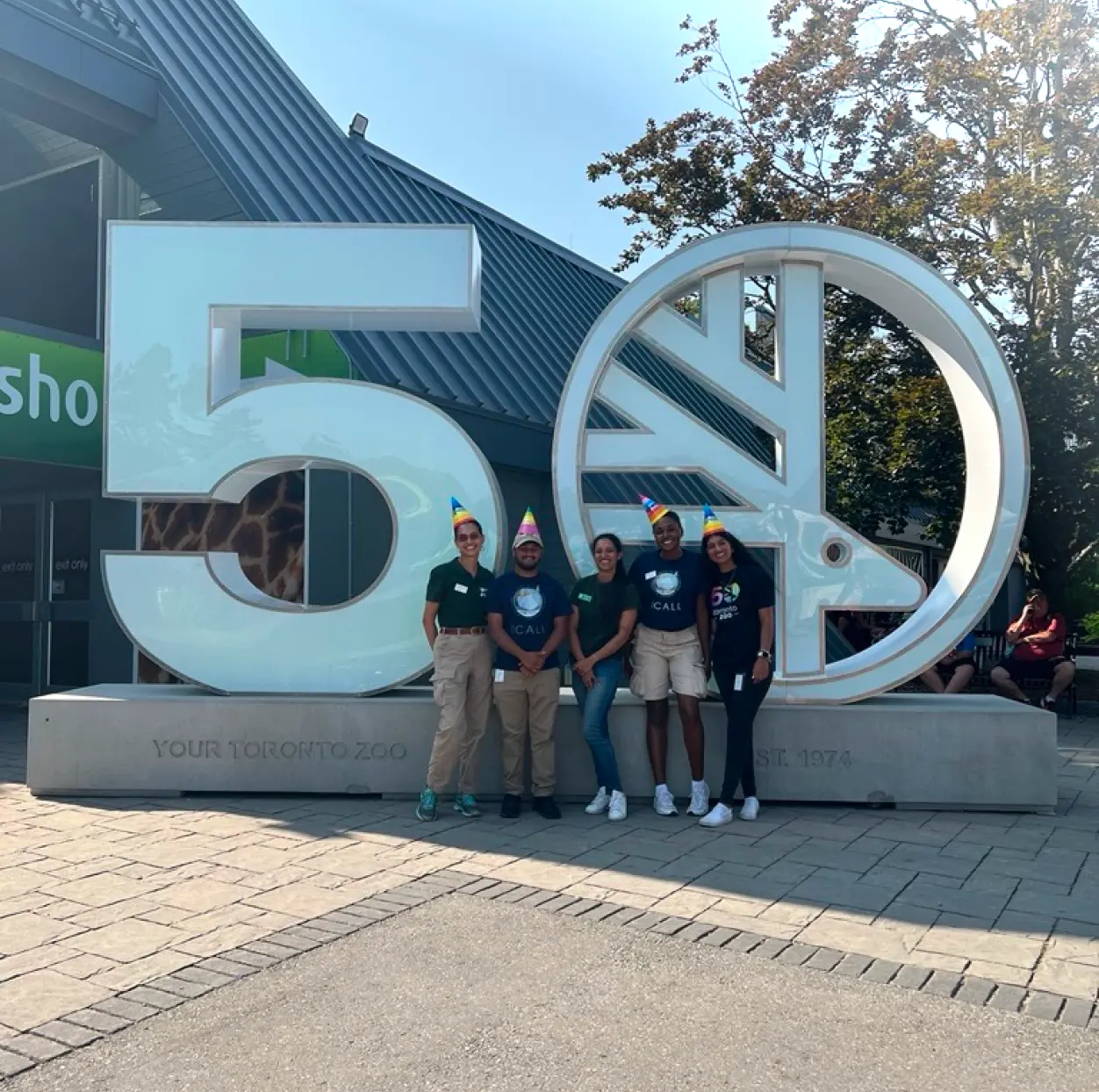
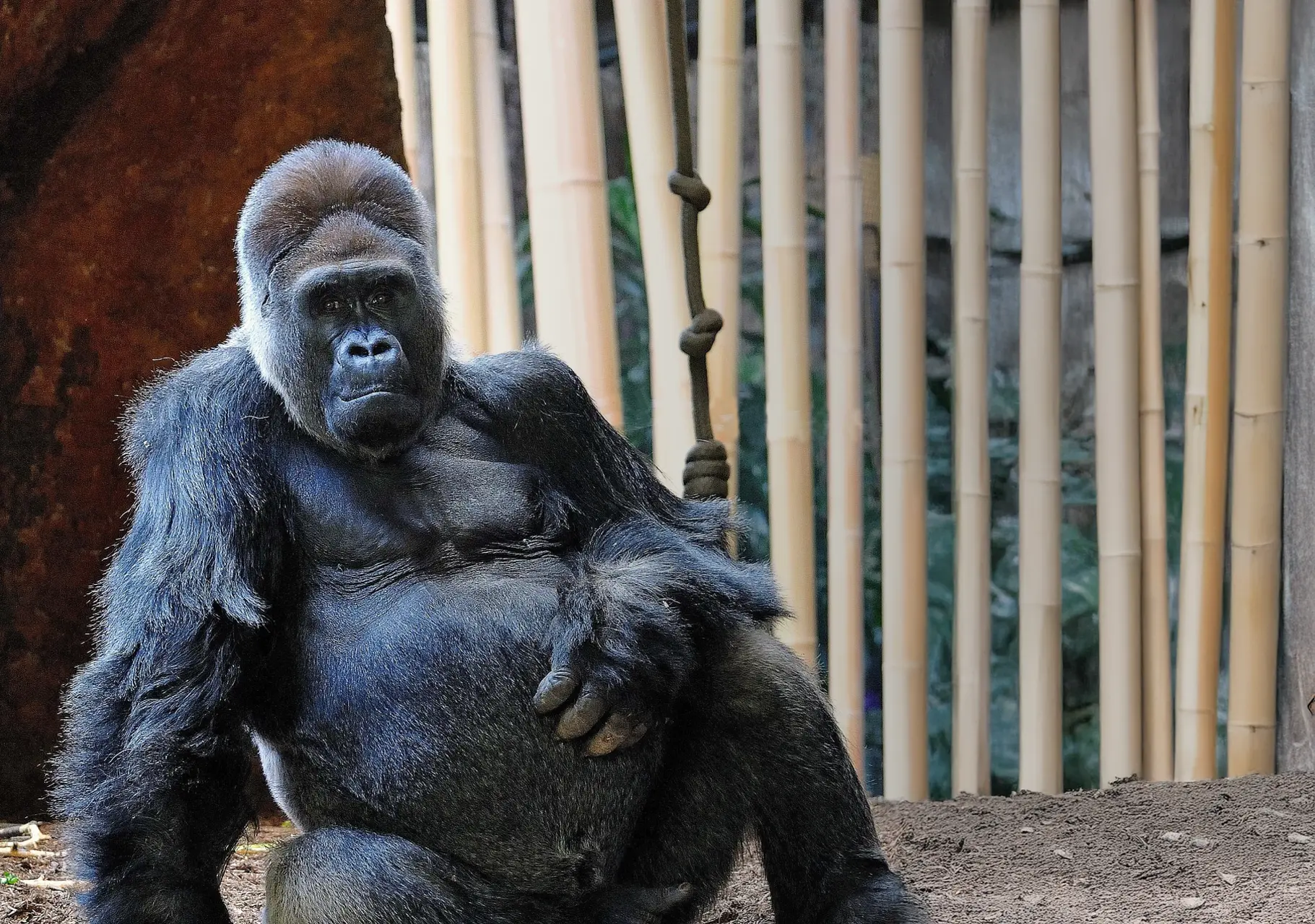
n August 15 2024 we celebrated our 50th anniversary! The celebrations kicked off with a countdown to Zoo opening at the front entrance with music, animal enrichment talks and the unveiling of a statue commemorating the life of one of our most iconic Toronto Zoo residents: Charles the Western lowland gorilla. Charles called your Toronto Zoo home since the day we opened, and thanks to the amazing care he has received from his team he lived a long and inspiring life up in our African Rainforest pavilion, where you can now find his statue.

O

n August 15 2024 we celebrated our 50th anniversary! The celebrations kicked off with a countdown to Zoo opening at the front entrance with music, animal enrichment talks and the unveiling of a statue commemorating the life of one of our most iconic Toronto Zoo residents: Charles the Western lowland gorilla. Charles called your Toronto Zoo home since the day we opened, and thanks to the amazing care he has received from his team he lived a long and inspiring life up in our African Rainforest pavilion, where you can now find his statue.

O

n August 15 2024 we celebrated our 50th anniversary! The celebrations kicked off with a countdown to Zoo opening at the front entrance with music, animal enrichment talks and the unveiling of a statue commemorating the life of one of our most iconic Toronto Zoo residents: Charles the Western lowland gorilla. Charles called your Toronto Zoo home since the day we opened, and thanks to the amazing care he has received from his team he lived a long and inspiring life up in our African Rainforest pavilion, where you can now find his statue.

On hand to join in the festivities were many elected officials from all levels of government, members of the Board of Management of the Toronto Zoo and Mr. Paul Godfrey, former Chairman of Metropolitan Toronto in 1974, and who was in attendance on August 15th 1974 to open the Zoo!

When Toronto Zoo first opened its doors in 1974, it was envisioned as a place where people could come and marvel at the beauty and diversity of wildlife from around the globe.

But more than that, it was a place where the seeds of conservation could be planted, where future generations could be inspired to care for our planet and all its inhabitants.

As we reflect on our journey, it is fair to say we've achieved far more than anyone could have imagined. Your Toronto Zoo has become a global leader in conservation science, thanks to the tireless dedication of our staff and volunteers, past and present. From breeding endangered species to pioneering conservation science research, we've played a critical role in preserving biodiversity. 
Guardians of Wild 

Guardians of Wild 

Guardians of Wild

I

n the Spring, we launched a new campaign, Guardians of Wild, to inspire people to take action and change behaviours to improve our planet for both humans and animals.

I

n the Spring, we launched a new campaign, Guardians of Wild, to inspire people to take action and change behaviours to improve our planet for both humans and animals.

I

n the Spring, we launched a new campaign, Guardians of Wild, to inspire people to take action and change behaviours to improve our planet for both humans and animals.

We received the Marketing Excellence Award for this campaign at the Association of Zoos and Aquariums (AZA) Annual Conference, which recognizes the excellence, innovation and impact of AZA-accredited members across the zoo and aquarium community.

As we look ahead to the next 50 years, we invite people to embark on this journey with us.

Together, let’s make a difference for wildlife, today and for the next 50 years.

We are Guardians. We are champions of habitats. We are agents of change. We learn and we teach. With knowledge, compassion and understanding, we nurture this generation and the next, working in harmony with the natural world.

We Can’t Do It Alone

W

e are Guardians. We exist so we can all exist, together. And we will protect the house that every living thing calls home. We know we can’t do this work alone and are grateful to have the Toronto Zoo Wildlife Conservancy as our dedicated partner in our mission and the fight against extinction. Since its inception in 2019, the Wildlife Conservancy has raised more than 19 million dollars in support of your Toronto Zoo.

W

e are Guardians. We exist so we can all exist, together. And we will protect the house that every living thing calls home. We know we can’t do this work alone and are grateful to have the Toronto Zoo Wildlife Conservancy as our dedicated partner in our mission and the fight against extinction. Since its inception in 2019, the Wildlife Conservancy has raised more than 19 million dollars in support of your Toronto Zoo.

W

e are Guardians. We exist so we can all exist, together. And we will protect the house that every living thing calls home. We know we can’t do this work alone and are grateful to have the Toronto Zoo Wildlife Conservancy as our dedicated partner in our mission and the fight against extinction. Since its inception in 2019, the Wildlife Conservancy has raised more than 19 million dollars in support of your Toronto Zoo.

We are so proud of what we have accomplished as a zoo, as a community, and as a force for good in the world. Your Toronto Zoo is more than just a home for the animals in our care; it is a symbol of hope, a place of learning, and a beacon for conservation.
Serving our Community

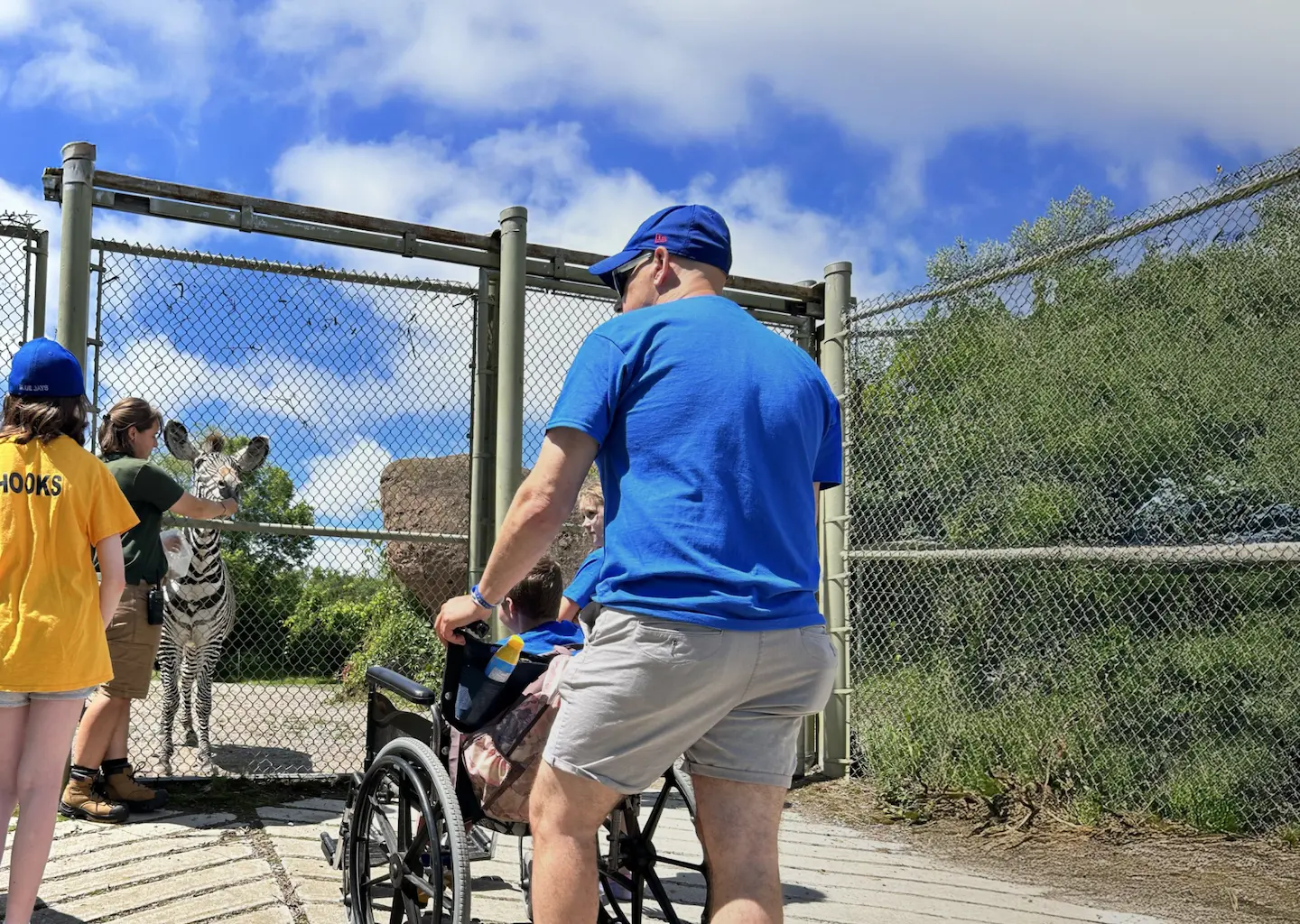
Ensuring your Toronto Zoo is a Zoo for all

Serving our Community

Ensuring your Toronto Zoo is a Zoo for all

Toronto Zoo Community Conservation Centre

I

n June we proudly launched a generational construction project, initiating the first overhaul to the face of your Toronto Zoo since 1974. As we celebrated our 50th anniversary, it was the perfect opportunity to honour years of conservation science impact and invest in a better future for wildlife and for our community. Since it opened in 1974, close to 60 million guests have visited the Toronto Zoo and walked through our gates – the new Community Conservation Centre will welcome future visitors! (Suggestion: with the addition of the new Community Conservation Centre, it will expand our reach providing access to even more people than ever before.)

I

n June we proudly launched a generational construction project, initiating the first overhaul to the face of your Toronto Zoo since 1974. As we celebrated our 50th anniversary, it was the perfect opportunity to honour years of conservation science impact and invest in a better future for wildlife and for our community. Since it opened in 1974, close to 60 million guests have visited the Toronto Zoo and walked through our gates – the new Community Conservation Centre will welcome future visitors! (Suggestion: with the addition of the new Community Conservation Centre, it will expand our reach providing access to even more people than ever before.)

I

n June we proudly launched a generational construction project, initiating the first overhaul to the face of your Toronto Zoo since 1974. As we celebrated our 50th anniversary, it was the perfect opportunity to honour years of conservation science impact and invest in a better future for wildlife and for our community. Since it opened in 1974, close to 60 million guests have visited the Toronto Zoo and walked through our gates – the new Community Conservation Centre will welcome future visitors! (Suggestion: with the addition of the new Community Conservation Centre, it will expand our reach providing access to even more people than ever before.)

A net zero complex made of two nestled buildings, the Toronto Zoo Community Conservation Centre will bring new, exciting educational experiences and hands on learning opportunities to Zoo guests and will also be a space accessible to the local community, where people can gather and connect with nature and each other.

With lively North American river otters out front and a new home for the Zoo’s endangered turtle conservation breeding centre, the front building represents an exciting next phase for conservation science here at your Toronto Zoo. This second building will be a prominent and visually stunning statement of your Zoo’s commitment to the community, with multiple labs and classrooms used by students from the University of Toronto Scarborough as well as Toronto Zoo camps, Zoo School, and many other education programs for all ages. When the classrooms are not being used for educational purposes, they will serve as outreach spaces that our broader community and partner organizations can utilize for meetings, gatherings, events, town halls, and programs.

Your Toronto Zoo is proud to be the first Zoo in Canada to establish a collaboration wherein a leading university has a physical campus located onsite. We are proud of our shared commitment to inspire, teach and train the next generation of conservationists and scientists. We look forward to watching this partnership grow as the need for science and innovation becomes more important each day.

This new facility will offer students a level of experiential learning that can only be gained by being immersed within a working conservation-based organization, our experienced researchers and practitioners. It is a very different perspective on learning outcomes and will set the students up for success in their future careers.

This space is another step in our commitment, along with the City of Toronto and the University of Toronto Scarborough, to make science more accessible.

Building these unique education spaces outside the admission gates where they are accessible seven days a week, in the evenings and outside Zoo hours is an important aspect of the project. The Zoo has more than 1.3 million guests per year who will see the work going on in Scarborough – not just by your Toronto Zoo but also by a recognized academic partner. For more information, please visit the of Community Conservation Centre project page.

Read more
Free Admission for 

Indigenous People

I

n October 2023, the Toronto Zoo Board of Management unanimously adopted a Strategic Framework for Indigenous Relations at your Toronto Zoo. This framework puts reconciliation into action and is grounded in values and principles that honour the people on whose traditional territory the Zoo sits, the Indigenous communities we work with across Canada on our conservation programs, and the diverse urban Indigenous community in Toronto.

I

n October 2023, the Toronto Zoo Board of Management unanimously adopted a Strategic Framework for Indigenous Relations at your Toronto Zoo. This framework puts reconciliation into action and is grounded in values and principles that honour the people on whose traditional territory the Zoo sits, the Indigenous communities we work with across Canada on our conservation programs, and the diverse urban Indigenous community in Toronto.

I

n October 2023, the Toronto Zoo Board of Management unanimously adopted a Strategic Framework for Indigenous Relations at your Toronto Zoo. This framework puts reconciliation into action and is grounded in values and principles that honour the people on whose traditional territory the Zoo sits, the Indigenous communities we work with across Canada on our conservation programs, and the diverse urban Indigenous community in Toronto.

For many years, our Zoo has offered complimentary general admission to First Nations, Inuit and Metis (FNIM) People during the month of June (National Indigenous Heritage Month), and later extended this to September 30 (National Day for Truth and Reconciliation) as a day for complimentary admission for FNIM.

In June, Toronto Zoo extended complimentary admission to FNIM year-round. The extension of the admission policy to year-round is one way to recognize our commitment to work with, learn from and partner with Indigenous communities particularly around wildlife conservation and environmental protection and we value their insights and knowledge gained through their connection with Mother Earth.

No documentation is required for FNIM to receive complimentary admission. We do not want to create additional barriers to non-status First Nations, Inuit and Metis people by requiring documentation. Providing complimentary general admission to First Nations, Inuit and Metis (FNIM) People is one of many ways our Zoo is working to strengthen relationships with Indigenous People. 

Canoo Partner of the Year Award

Y

our Toronto Zoo was thrilled to be awarded the Canoo Partner of the Year award by the Institute for Canadian Citizenship (ICC). This was the inaugural launch of the ICC’s Canoo Awards, which recognize the work Canoo’s partners are doing for newcomers across Canada.

Y

our Toronto Zoo was thrilled to be awarded the Canoo Partner of the Year award by the Institute for Canadian Citizenship (ICC). This was the inaugural launch of the ICC’s Canoo Awards, which recognize the work Canoo’s partners are doing for newcomers across Canada.

Y

our Toronto Zoo was thrilled to be awarded the Canoo Partner of the Year award by the Institute for Canadian Citizenship (ICC). This was the inaugural launch of the ICC’s Canoo Awards, which recognize the work Canoo’s partners are doing for newcomers across Canada.

The Partner of the Year Award recognizes the Canoo partner that welcomed the most newcomers in 2023: the stand-out favourite among Canoo Members. Your Toronto Zoo saw 49,000 Canoo members visit our site in 2023, and we hope to see this number continue to grow in future.

Solar Eclipse at Your Toronto Zoo

O

n April 8 we were joined by more than 5000 guests to observe animal behaviour during the solar eclipse. With very little documentation about how animals react to solar eclipses, the Welfare Science team invited the community to help document the activities of Toronto Zoo animals while this rare event took place!

O

n April 8 we were joined by more than 5000 guests to observe animal behaviour during the solar eclipse. With very little documentation about how animals react to solar eclipses, the Welfare Science team invited the community to help document the activities of Toronto Zoo animals while this rare event took place!

O

n April 8 we were joined by more than 5000 guests to observe animal behaviour during the solar eclipse. With very little documentation about how animals react to solar eclipses, the Welfare Science team invited the community to help document the activities of Toronto Zoo animals while this rare event took place!

These citizen scientists helped our staff, volunteers and Welfare Science researchers document what this experience meant for the overall behaviour of the animals at Toronto Zoo. The science team will be asking guests to collect data the days before and after the eclipse as well, which was then used as comparable data.

Institute for Canadian Citizenship Ceremony

O

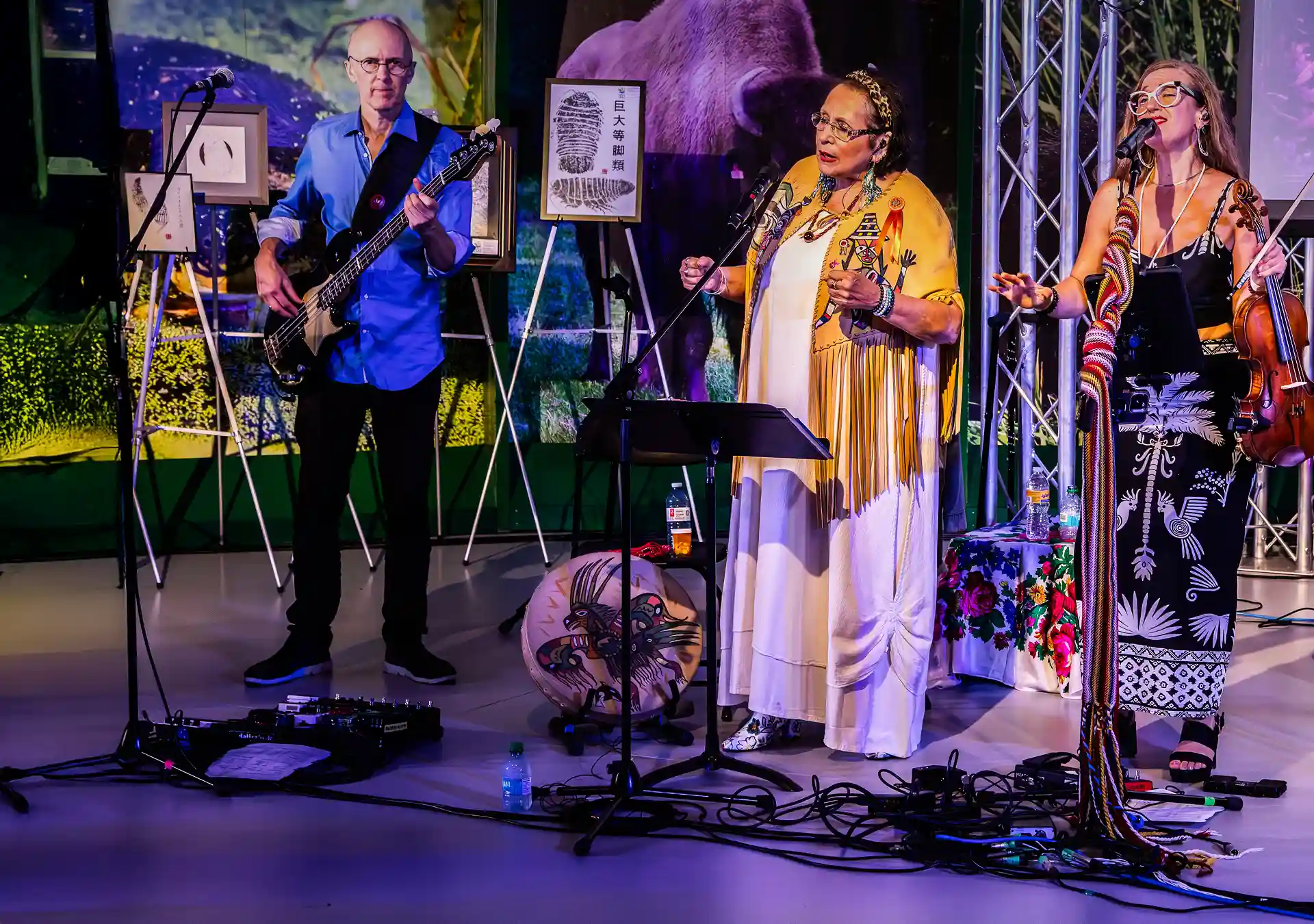
n August 16, the Institute for Canadian Citizenship hosted an enhanced citizenship ceremony with a zoo-twist at the Toronto Zoo. Coinciding with the zoo’s 50th birthday this year, 48 individuals from 13 countries became Canadian citizens among the animals. The ceremony began with an inspiring address by Elder Catherine Tammaro, a distinguished Spotted Turtle Clan FaithKeeper. Elder Tammaro shared profound insights into the history and significance of Indigenous peoples in Canada,

O

n August 16, the Institute for Canadian Citizenship hosted an enhanced citizenship ceremony with a zoo-twist at the Toronto Zoo. Coinciding with the zoo’s 50th birthday this year, 48 individuals from 13 countries became Canadian citizens among the animals. The ceremony began with an inspiring address by Elder Catherine Tammaro, a distinguished Spotted Turtle Clan FaithKeeper. Elder Tammaro shared profound insights into the history and significance of Indigenous peoples in Canada,

O

n August 16, the Institute for Canadian Citizenship hosted an enhanced citizenship ceremony with a zoo-twist at the Toronto Zoo. Coinciding with the zoo’s 50th birthday this year, 48 individuals from 13 countries became Canadian citizens among the animals. The ceremony began with an inspiring address by Elder Catherine Tammaro, a distinguished Spotted Turtle Clan FaithKeeper. Elder Tammaro shared profound insights into the history and significance of Indigenous peoples in Canada,

emphasizing the deep-rooted connections between the land, its people, and the cultural heritage that forms the foundation of the nation.

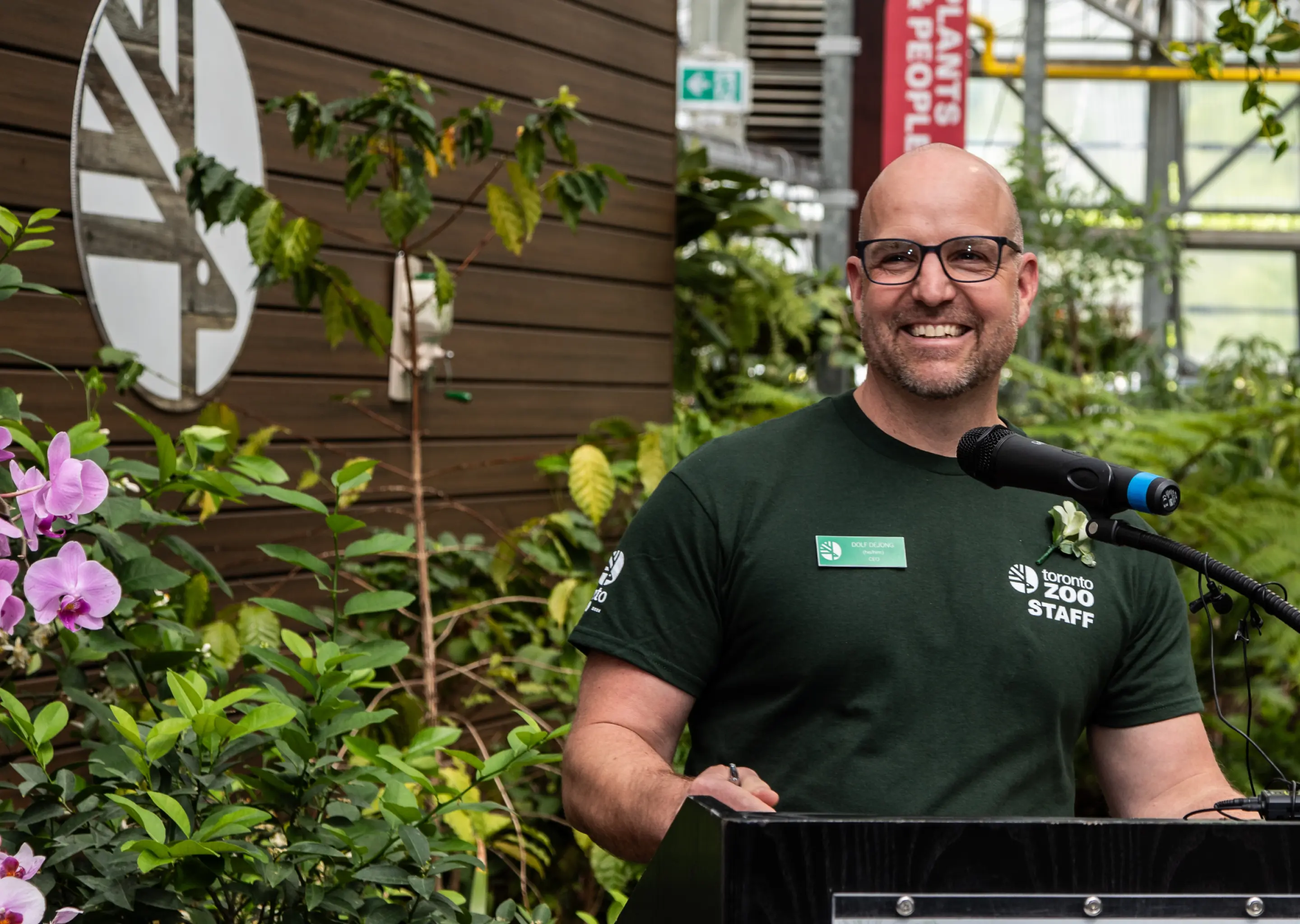
Toronto Zoo CEO Dolf DeJong echoed the spirit of inclusivity and excitement, warmly welcoming the new citizens to “their zoo.” This momentous occasion was not only a celebration of citizenship but also a reminder of the vibrant community that Canada offers. The Canoo App was highlighted as a gateway for newcomers to enjoy Canada’s myriad activities, museums, parks, and more.
Animal News

Animal News

Animal News

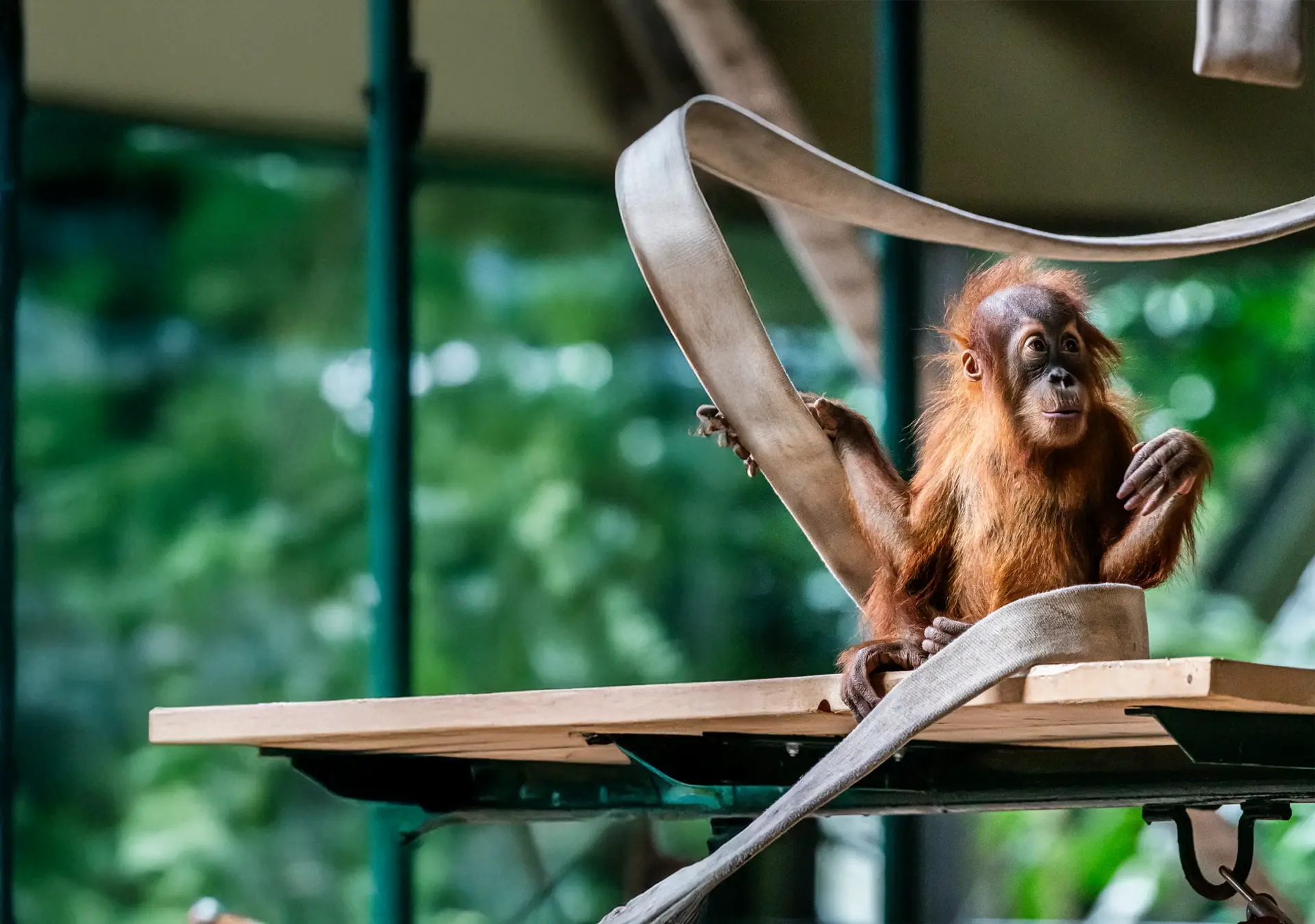
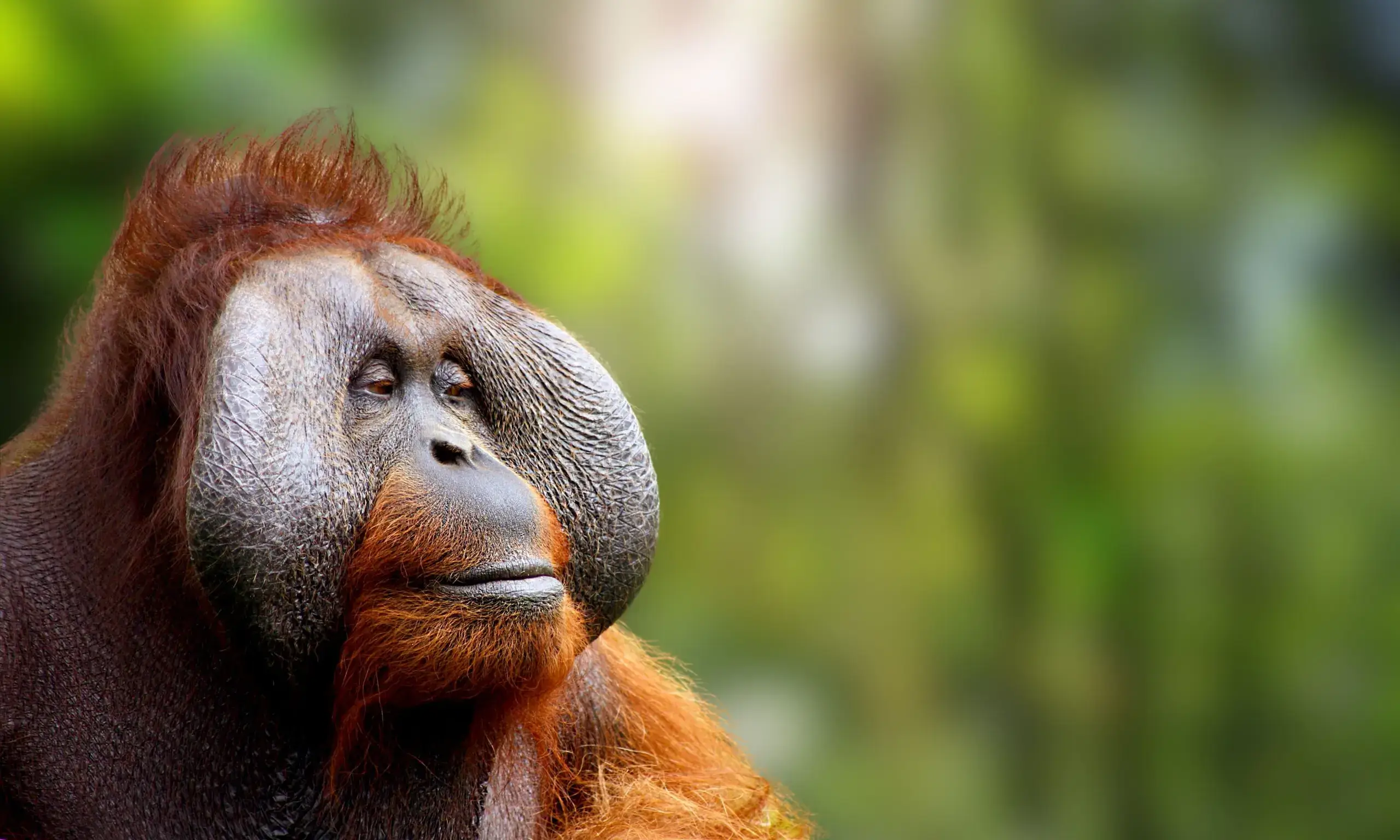
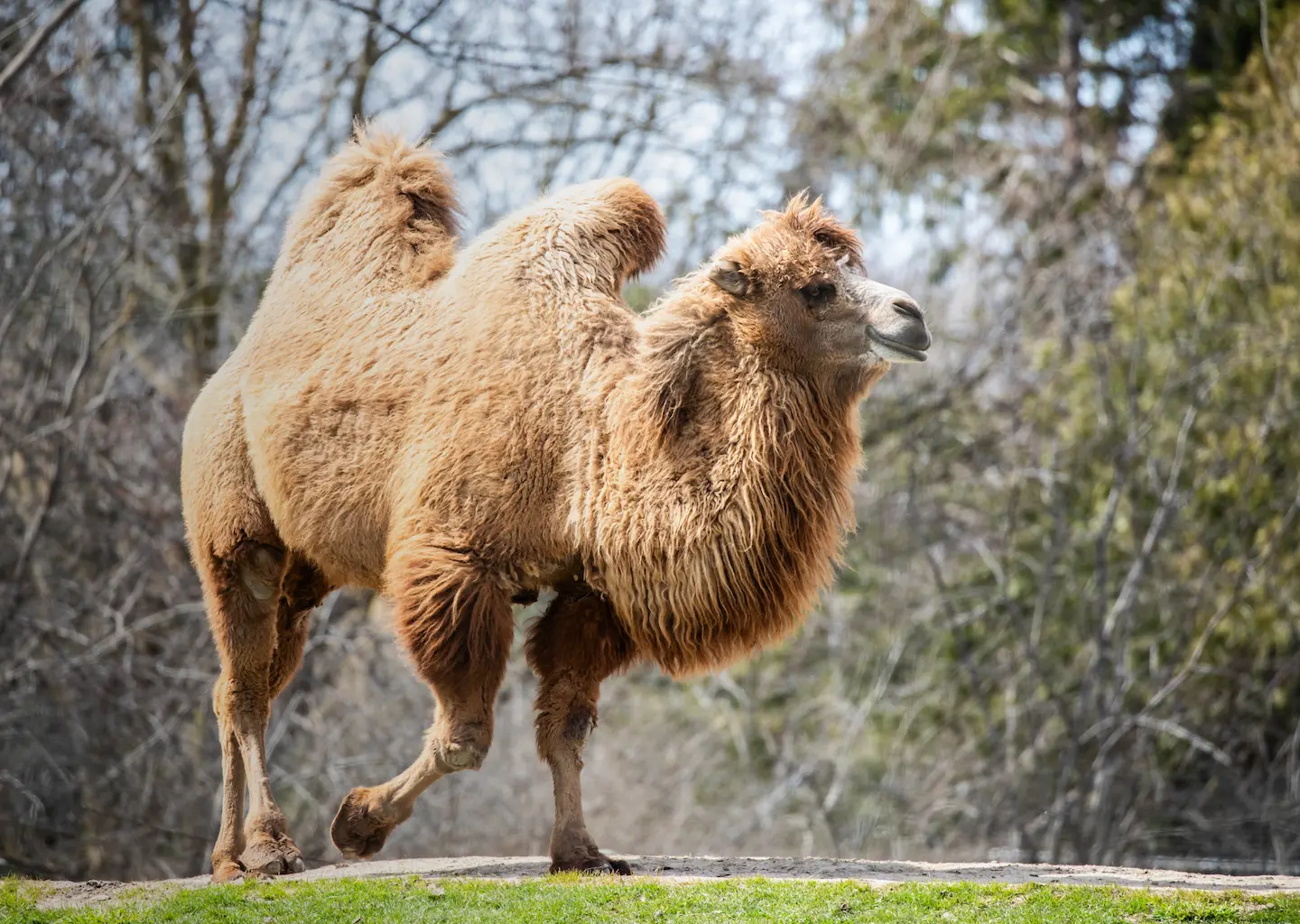
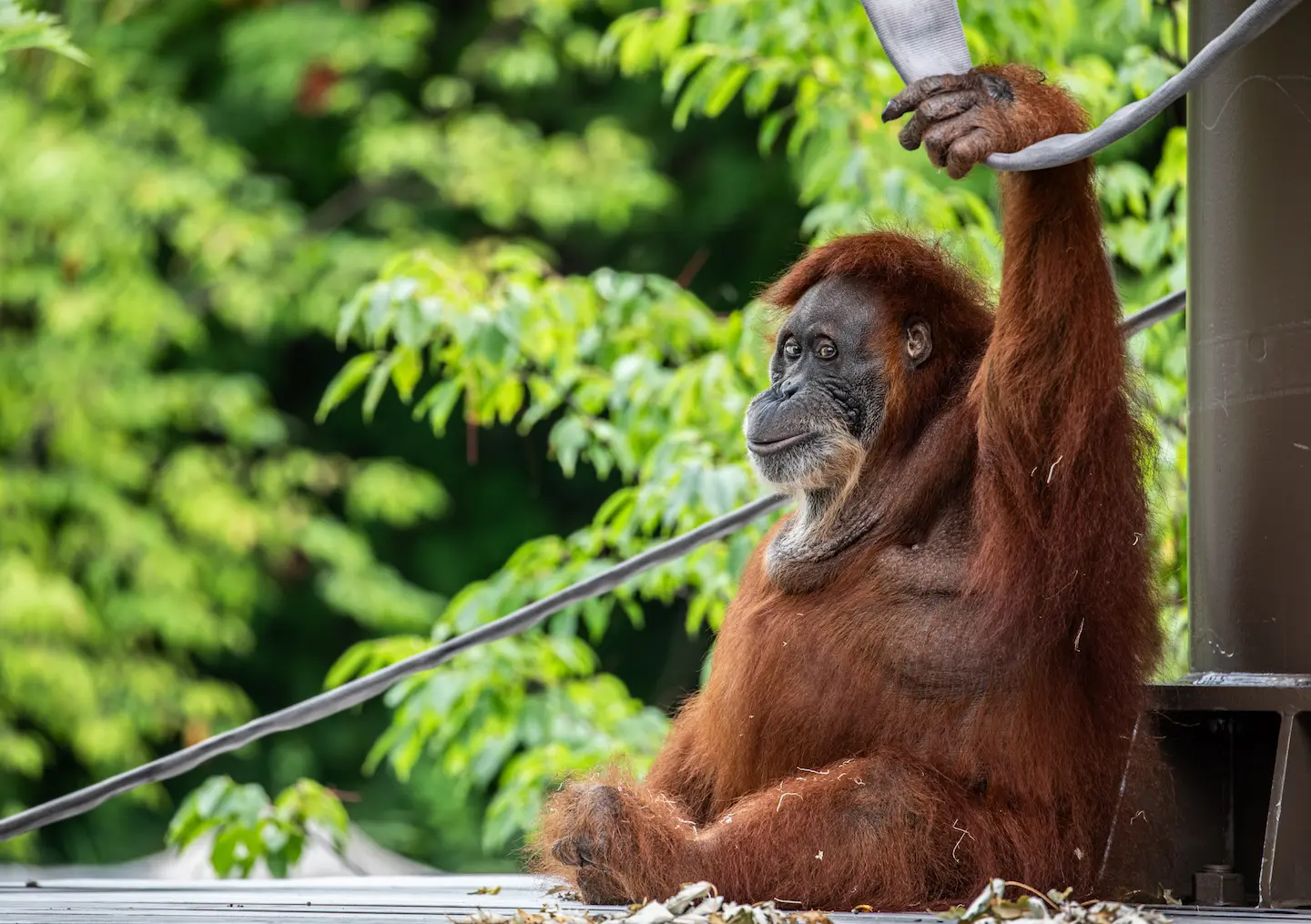
As we entered our 50th year, we celebrated all the animals who call your Toronto Zoo home. However, there were two residents in particular who celebrated this milestone with a particular distinction: They were both original Metro Toronto Zoo residents when our doors first opened in 1974!  Puppe, a 57-year-old female orangutan, and Charles, a 52-year-old Western lowland silverback gorilla became so important to our community over the years. As two of our oldest residents here at the Zoo, their care evolved with their age as they live out their golden years with us. Although an aging animal population comes with its challenges at times, our dedicated Wildlife Care team make the necessary adjustments and accommodations to ensure top-notch quality care each and every day for our geriatric animals, allowing them to often live longer and healthier lives than they could in their wild habitats. 

Animal News

As we entered our 50th year, we celebrated all the animals who call your Toronto Zoo home. However, there were two residents in particular who celebrated this milestone with a particular distinction: They were both original Metro Toronto Zoo residents when our doors first opened in 1974!  Puppe, a 57-year-old female orangutan, and Charles, a 52-year-old Western lowland silverback gorilla became so important to our community over the years. As two of our oldest residents here at the Zoo, their care evolved with their age as they live out their golden years with us. Although an aging animal population comes with its challenges at times, our dedicated Wildlife Care team make the necessary adjustments and accommodations to ensure top-notch quality care each and every day for our geriatric animals, allowing them to often live longer and healthier lives than they could in their wild habitats. 

Animal News

As we entered our 50th year, we celebrated all the animals who call your Toronto Zoo home. However, there were two residents in particular who celebrated this milestone with a particular distinction: They were both original Metro Toronto Zoo residents when our doors first opened in 1974!  Puppe, a 57-year-old female orangutan, and Charles, a 52-year-old Western lowland silverback gorilla became so important to our community over the years. As two of our oldest residents here at the Zoo, their care evolved with their age as they live out their golden years with us. Although an aging animal population comes with its challenges at times, our dedicated Wildlife Care team make the necessary adjustments and accommodations to ensure top-notch quality care each and every day for our geriatric animals, allowing them to often live longer and healthier lives than they could in their wild habitats. 

Animals, by the Numbers

In 2024 we had

297

Total Species at your Toronto Zoo

In 2024 we had

68

bird species

In 2024 we had

57

fish species

In 2024 we had

65

mammal species

In 2024 we had

53

reptile species

In 2024 we had

39

invertebrate species

In 2024 we had

15

amphibian species

In 2024 we had

2,934

total individuals

Animals, by the Numbers

In 2024 we had

297

Total Species at your Toronto Zoo

In 2024 we had

68

bird species

In 2024 we had

57

fish species

In 2024 we had

65

mammal species

In 2024 we had

53

reptile species

In 2024 we had

39

invertebrate species

In 2024 we had

15

amphibian species

In 2024 we had

2,934

total individuals

Animals, by the Numbers

In 2024 we had

297

Total Species at your Toronto Zoo

In 2024 we had

68

bird species

In 2024 we had

57

fish species

In 2024 we had

65

mammal species

In 2024 we had

53

reptile species

In 2024 we had

39

invertebrate species

In 2024 we had

15

amphibian species

In 2024 we had

2,934

total individuals

Snow Leopard Cubs

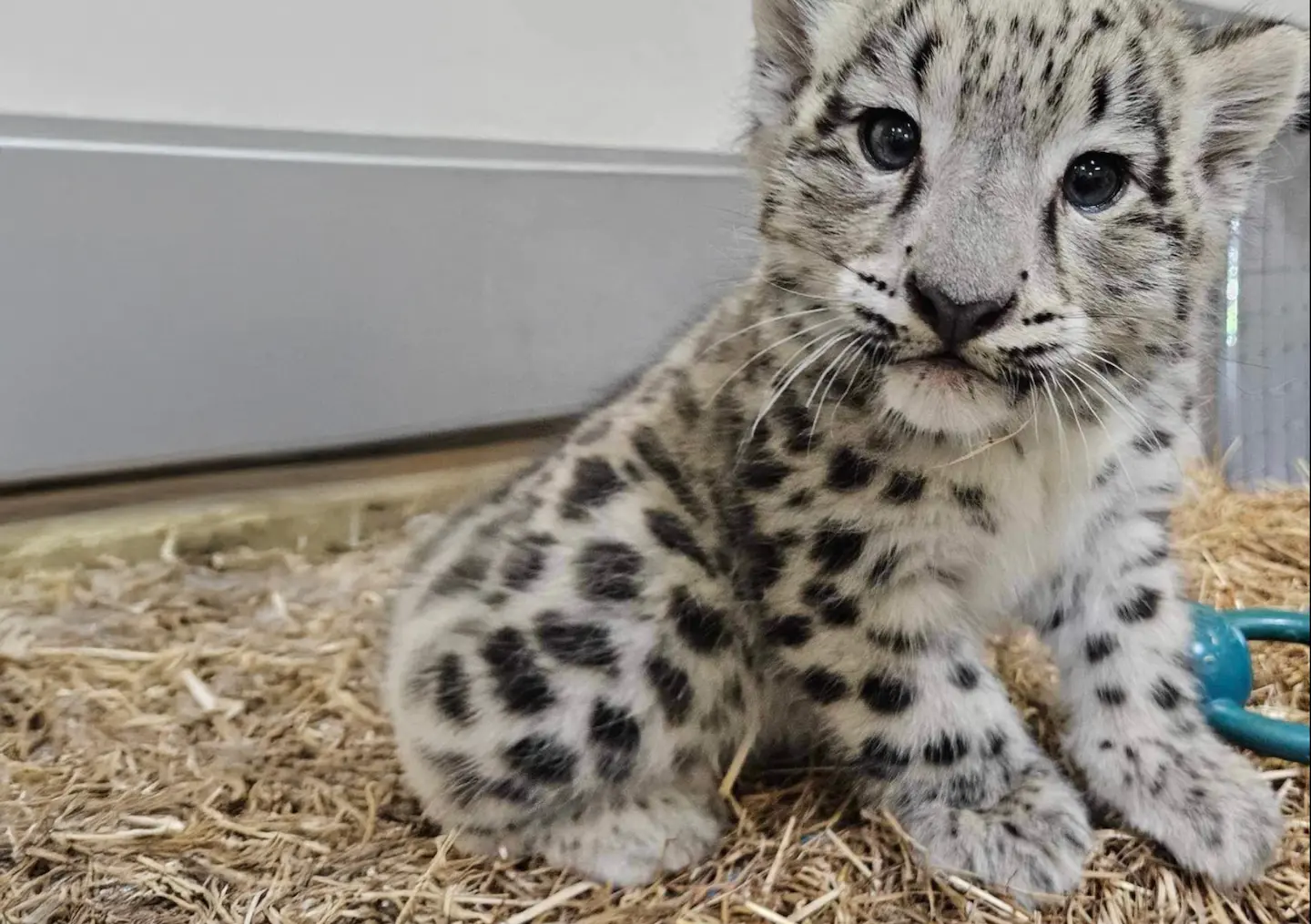
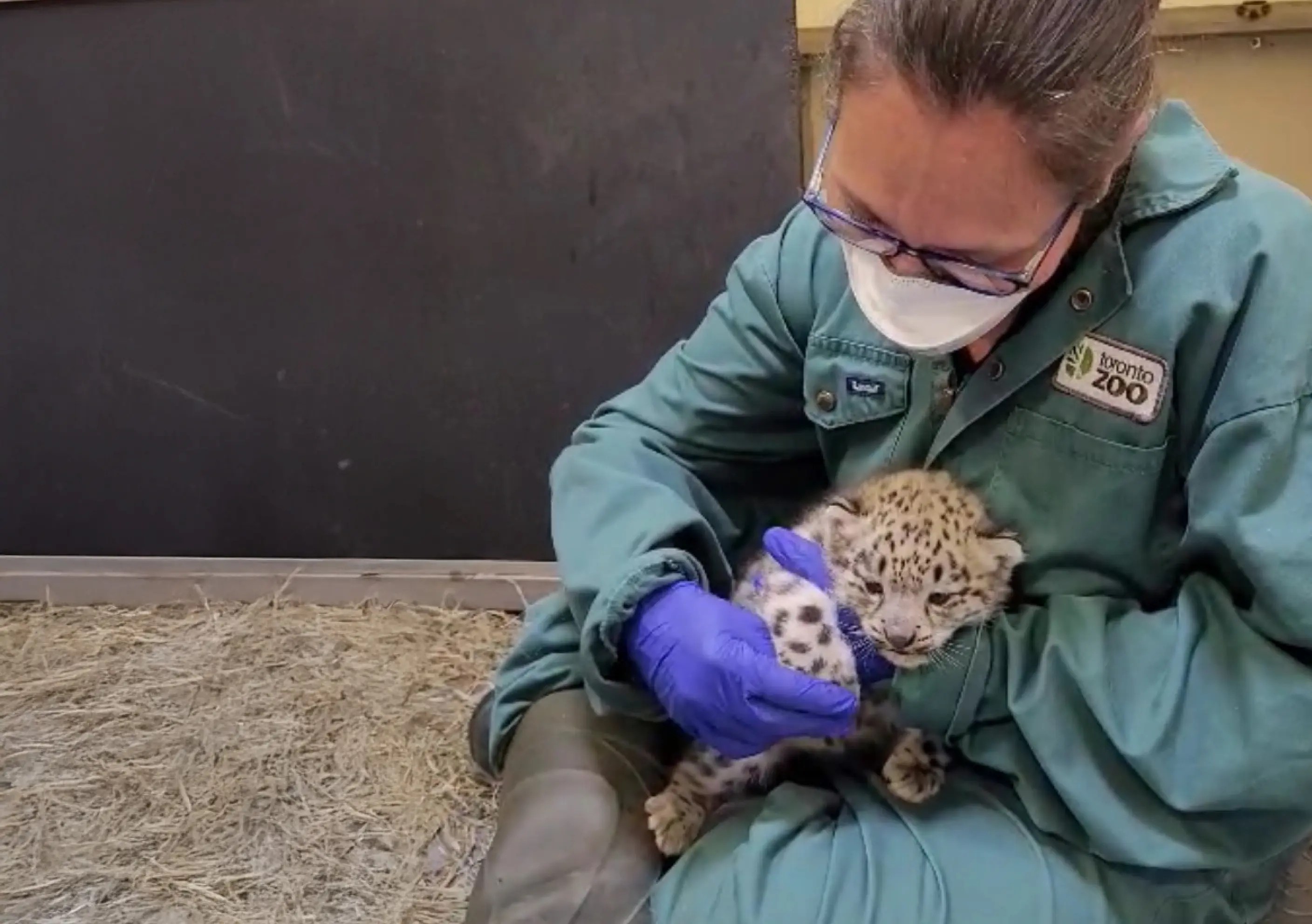
On Monday May 13 we welcomed the birth of two snow leopard cubs! First time Mom, three-year old Jita, gave birth to the cubs after a 97-day pregnancy. The cubs were officially named Zoya, Nepali for life/alive, and Minu, Nepali for precious gem. After weeks of “baby-proofing” the outdoor habitat and ensuring the cubs had all their vaccines, guests were thrilled to see the cubs exploring their outdoor space.    The elusive snow leopard, also known as the “ghost cat”, is not often spotted in the wild and is listed as Vulnerable on the International Union for Conservation of Nature (IUCN) list. The Toronto Zoo participates in the snow leopard Species Survival Plan® (SSP), a cooperative breeding program amongst AZA-accredited North American facilities. Through the SSP, we maintain a sustainable population of snow leopards in human care to preserve their genetic diversity and allow them to serve as ambassadors for their wild counterparts. 

Snow Leopard Cubs

On Monday May 13 we welcomed the birth of two snow leopard cubs! First time Mom, three-year old Jita, gave birth to the cubs after a 97-day pregnancy. The cubs were officially named Zoya, Nepali for life/alive, and Minu, Nepali for precious gem. After weeks of “baby-proofing” the outdoor habitat and ensuring the cubs had all their vaccines, guests were thrilled to see the cubs exploring their outdoor space.    The elusive snow leopard, also known as the “ghost cat”, is not often spotted in the wild and is listed as Vulnerable on the International Union for Conservation of Nature (IUCN) list. The Toronto Zoo participates in the snow leopard Species Survival Plan® (SSP), a cooperative breeding program amongst AZA-accredited North American facilities. Through the SSP, we maintain a sustainable population of snow leopards in human care to preserve their genetic diversity and allow them to serve as ambassadors for their wild counterparts. 

Snow Leopard Cubs

On Monday May 13 we welcomed the birth of two snow leopard cubs! First time Mom, three-year old Jita, gave birth to the cubs after a 97-day pregnancy. The cubs were officially named Zoya, Nepali for life/alive, and Minu, Nepali for precious gem. After weeks of “baby-proofing” the outdoor habitat and ensuring the cubs had all their vaccines, guests were thrilled to see the cubs exploring their outdoor space.    The elusive snow leopard, also known as the “ghost cat”, is not often spotted in the wild and is listed as Vulnerable on the International Union for Conservation of Nature (IUCN) list. The Toronto Zoo participates in the snow leopard Species Survival Plan® (SSP), a cooperative breeding program amongst AZA-accredited North American facilities. Through the SSP, we maintain a sustainable population of snow leopards in human care to preserve their genetic diversity and allow them to serve as ambassadors for their wild counterparts. 

Red Pandas

O

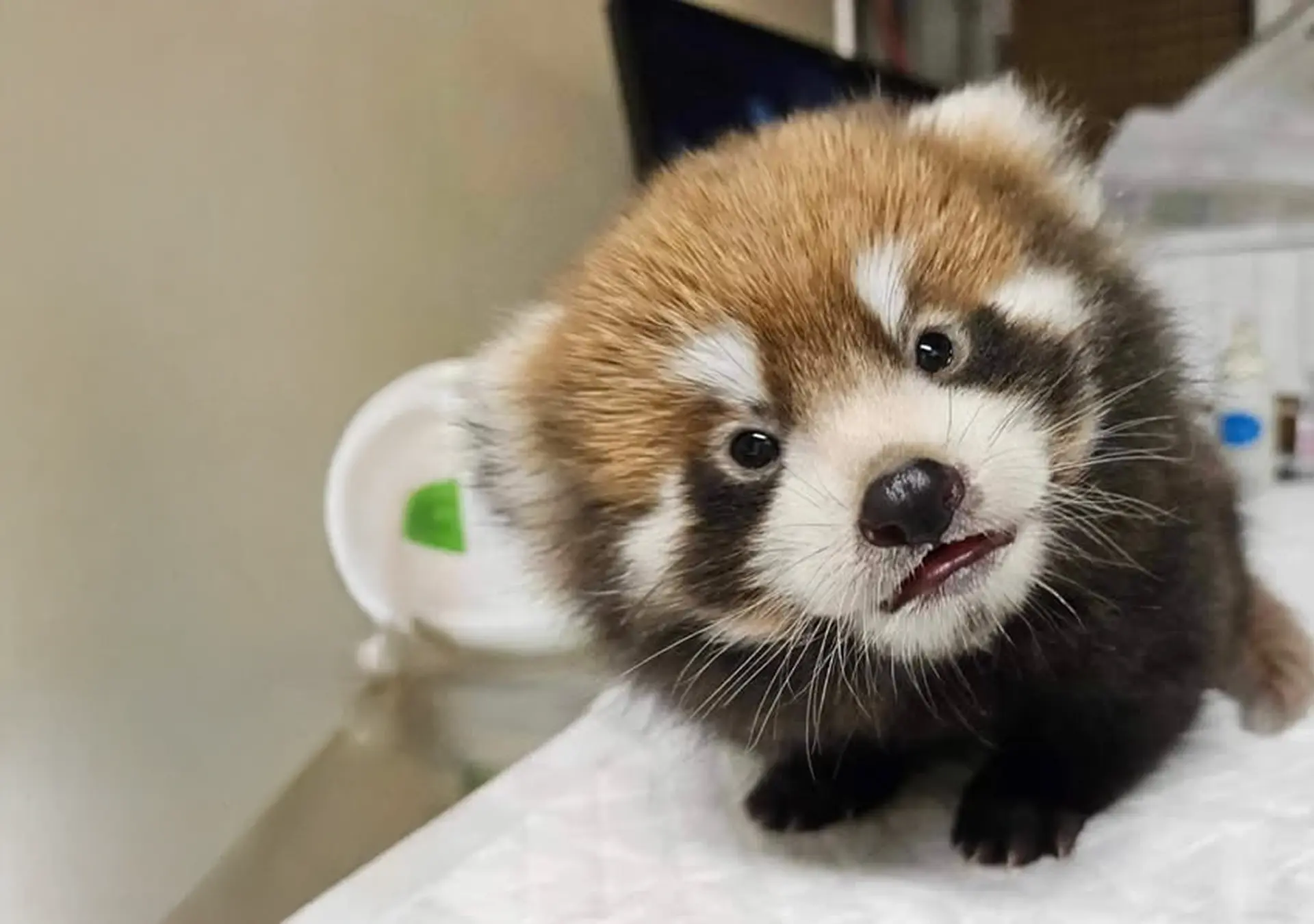
n Thursday June 13, your Toronto Zoo welcomed the birth of two red panda cubs, delivered in a cozy nest box in the red panda house in a nest of bamboo created by mom Sakura. Wildlife Care staff is gave Sakura and the cubs time to bond without disturbance but is keeping a close eye on them via camera.

O

n Thursday June 13, your Toronto Zoo welcomed the birth of two red panda cubs, delivered in a cozy nest box in the red panda house in a nest of bamboo created by mom Sakura. Wildlife Care staff is gave Sakura and the cubs time to bond without disturbance but is keeping a close eye on them via camera.

O

n Thursday June 13, your Toronto Zoo welcomed the birth of two red panda cubs, delivered in a cozy nest box in the red panda house in a nest of bamboo created by mom Sakura. Wildlife Care staff is gave Sakura and the cubs time to bond without disturbance but is keeping a close eye on them via camera.

Red pandas are a difficult-to-breed species due to pre- and post-partum challenges with offspring survival both in the wild and in human care. Recent scientific studies have shown that as few as 40% of cubs reach their first birthday. These low survival rates have a significant impact on the growth of the red panda population under human care. Sadly, one of the cubs passed away at the end of July.

The surviving cub, affectionally called “Biggie” before being officially named “Poppy” by the community as an ode to her mother, Sekura, is doing very well. She was hand raised by Wildlife Care staff after Sekura’s passing, and has since been joined by 12-year-old male, Kalden.

They get along really well and spend all their time together in their habitats. At 12 years old, Kalden often finds himself keeping up with 1-year-old Poppy’s bursts of energy! He’s found his favorite branch on his favorite tree, where he loves to relax, while Poppy busily climbs and explores every corner of their habitat, typically going on the branches above or below him to poke at him.

In April 2015, the conservation status of red pandas was elevated to Endangered by the International Union for Conservation and Nature (IUCN). Red pandas are elusive and challenging to study in the wild. Their population has been estimated by experts as anywhere between 2,500 and 10,000 individuals, but all agree that the species is declining—by as much as 50% in the past 20 years. Earlier in 2024, the Toronto Zoo Wildlife Conservancy committed to a long-term partnership with the Red Panda Network to support conservation projects in the wild ("in-situ").

Welfare wins

A

t your Toronto Zoo, we care about animals; they are the basis of our wildlife conservation and public education efforts and their well-being is our priority. Animal well-being refers to a state of being comfortable, healthy, or happy and zoos achieve this by giving animals lifelong opportunities to thrive (AZA, 2023). Animal welfare is not only an animal’s well-being at a point in time but over its entire existence.

A

t your Toronto Zoo, we care about animals; they are the basis of our wildlife conservation and public education efforts and their well-being is our priority. Animal well-being refers to a state of being comfortable, healthy, or happy and zoos achieve this by giving animals lifelong opportunities to thrive (AZA, 2023). Animal welfare is not only an animal’s well-being at a point in time but over its entire existence.

A

t your Toronto Zoo, we care about animals; they are the basis of our wildlife conservation and public education efforts and their well-being is our priority. Animal well-being refers to a state of being comfortable, healthy, or happy and zoos achieve this by giving animals lifelong opportunities to thrive (AZA, 2023). Animal welfare is not only an animal’s well-being at a point in time but over its entire existence.

Planning for optimal welfare begins before an animal’s birth, hatch, or acquisition and continues throughout their lifetime.
2024 was filled with a tireless commitment to the well-being of the nearly 3,000 animals here at your Toronto Zoo. From enriching their environments and collaborative care to habitat enhancements and top-notch health care, the list of innovative and creative welfare examples is extensive. Here are a few examples of our deep commitment to animal welfare.

Here are a few examples of our deep commitment to animal welfare.

2024 was filled with a tireless commitment to the well-being of the nearly 3,000 animals here at your Toronto Zoo. From enriching their environments and collaborative care to habitat enhancements and top-notch health care, the list of innovative and creative welfare examples is extensive. Here are a few examples of our deep commitment to animal welfare.

Here are a few examples of our deep commitment to animal welfare.

Snow cub

Zoya, the firstborn and larger of the two snow leopard cubs, was born with a noticeable issue affecting her front legs. She struggled with her gait and had difficulty bearing weight on her front paws, resorting to “army crawling” on her elbows to move around.

Our incredible veterinary team carefully assessed Zoya to ensure she had no broken bones or other underlying physical issues. With guidance from a specialized rehabilitation veterinarian, keepers performed twice-daily physiotherapy exercises to improve the flexibility of her front paws and joints.

Over three visits from the rehabilitation expert, the exercises were gradually expanded as Zoya’s condition improved and she began bearing more weight on her paws. These new exercises included encouraging her to shift more weight onto her front legs, assisting her with walking by supporting her weight, and encouraging natural behaviours, like scratching and climbing, to strengthen her front leg muscles.

Thanks to the dedication and hard work of the team, Zoya has made remarkable progress, and her mobility has improved significantly. The issues that once affected her are no longer visible, and her stance and gait now match those of her twin sister Minu.

Polar Bears

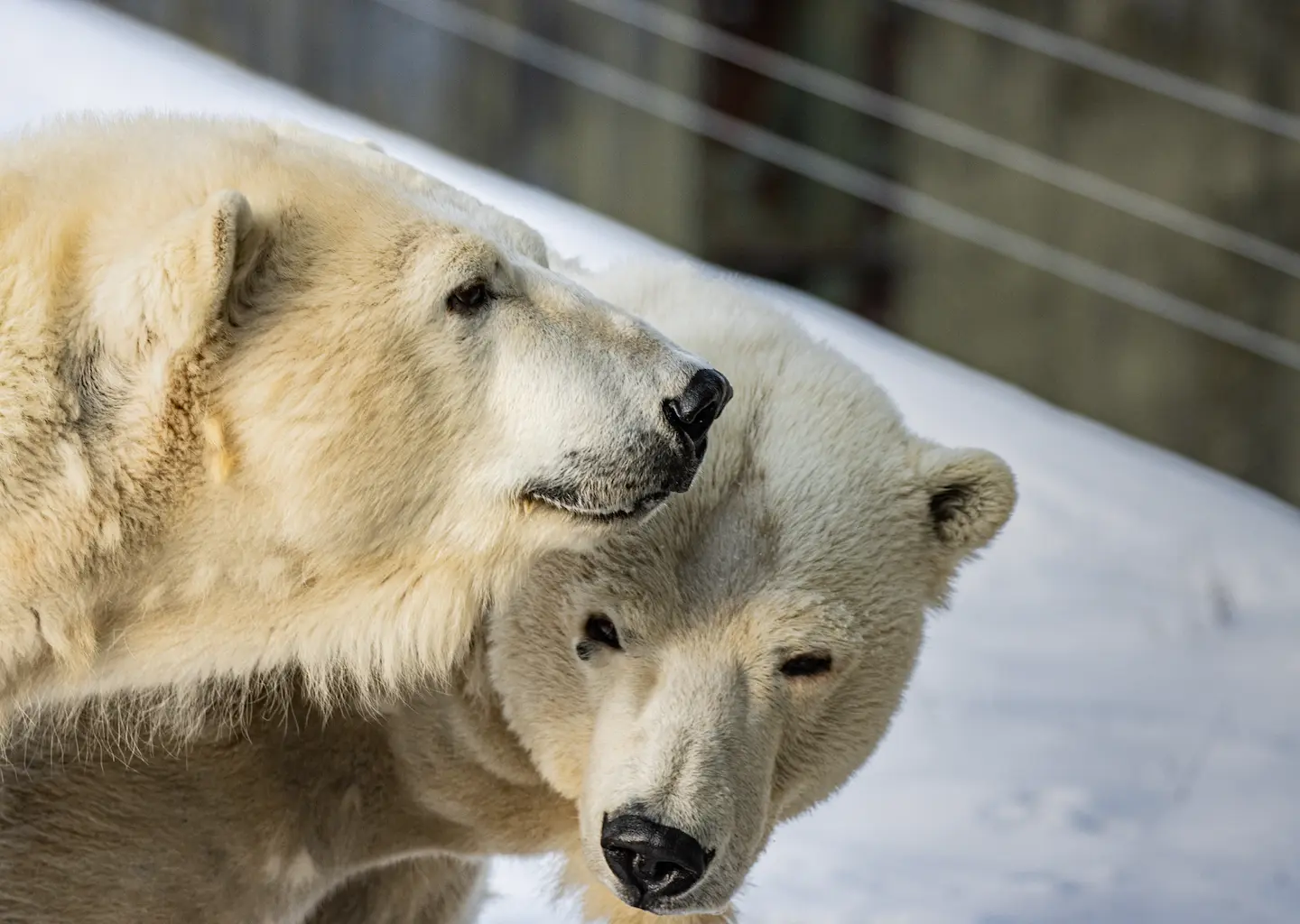
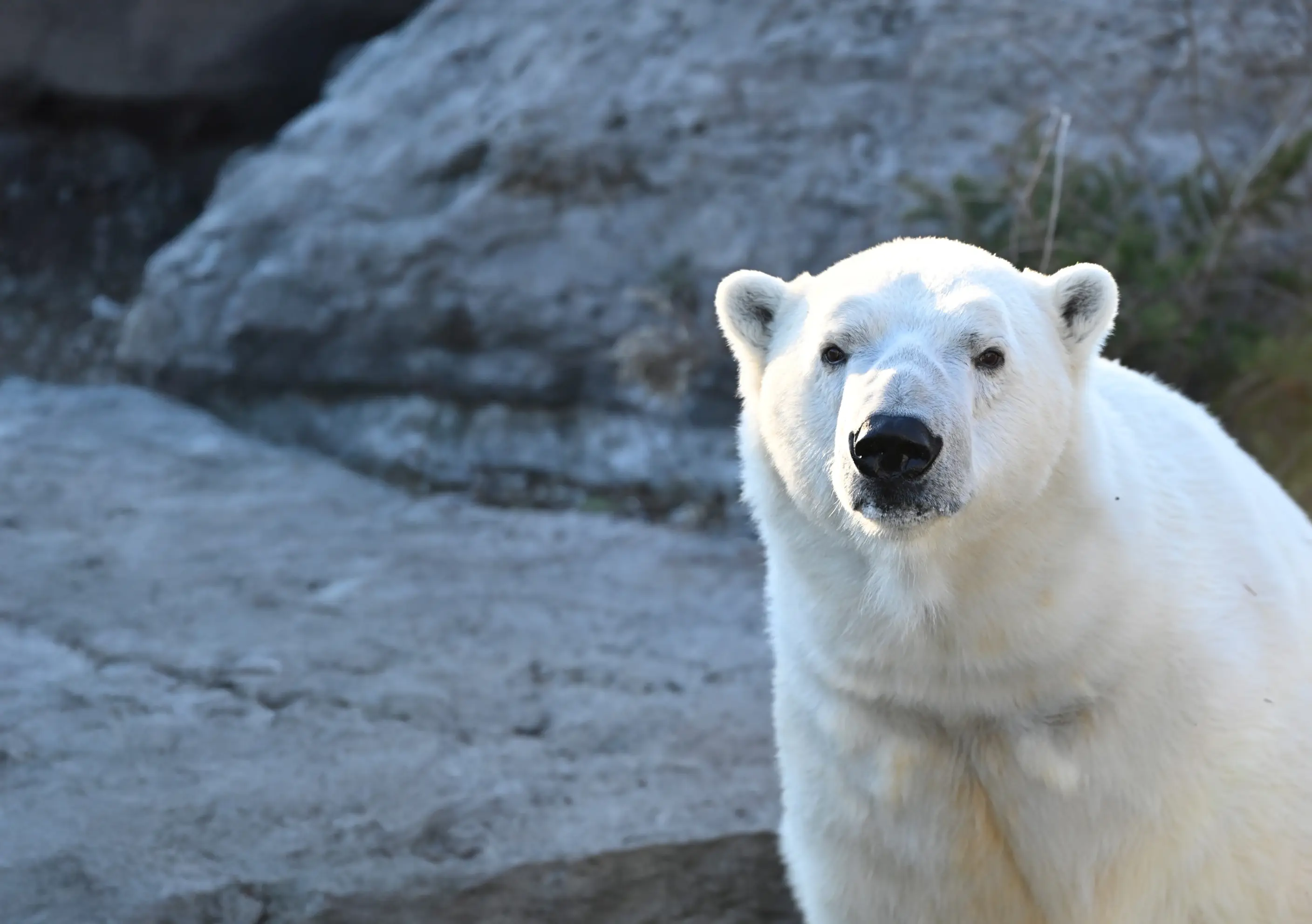
Polar bear introductions were a goal for our team in 2024. The process started with in-depth behavioural observation and documentation. We also did extensive research and reviewed past polar bear introductions at our Zoo and others. Hudson’s increased swimming and play are helping keep him fit and active. Overall, the introduction of these polar bears is creating a more engaging day for bears, staff, volunteers and guests.

Next came the plan: A rating system was developed to objectively judge how introductions would progress and any changes needed. Plans included safety measures, veterinary input, nutrition jackpots and welfare observation.

The day of introductions, the team of keepers were ready to go. Security and veterinary staff were also at the ready in case things didn’t go according to plan.

Right away we knew we’d made the right call as Juno stood her ground and let Hudson know she was in charge. Both bears have benefited from having someone to play with and can often be seen wrestling and interacting on land and in the pool. Juno, as a hand-raised bear, tended to focus on humans. Since the introduction to Hudson, she now exhibits more appropriate bear social behaviours, even showing interest in Aurora and Nikita on occasion!

Vishnu

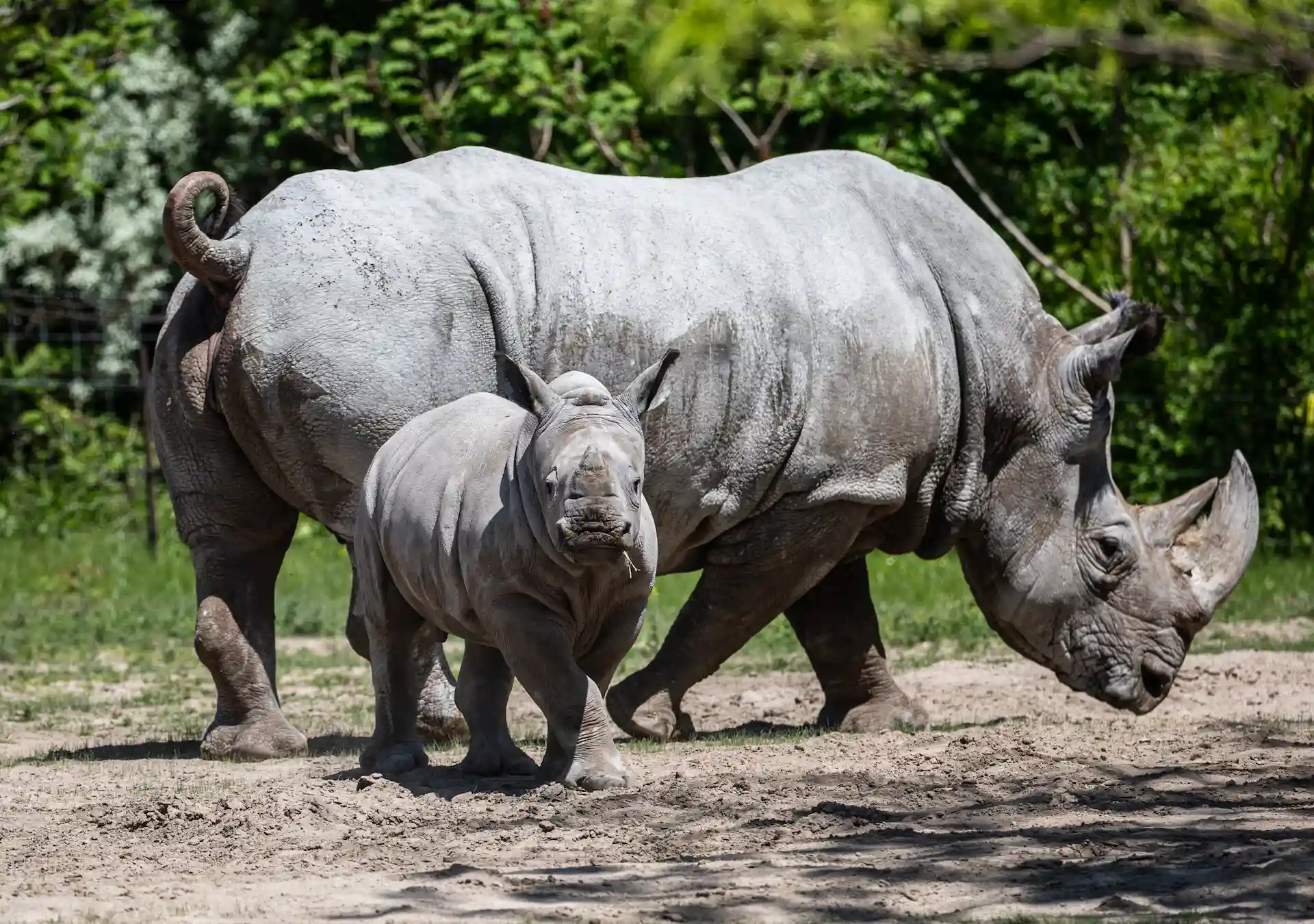
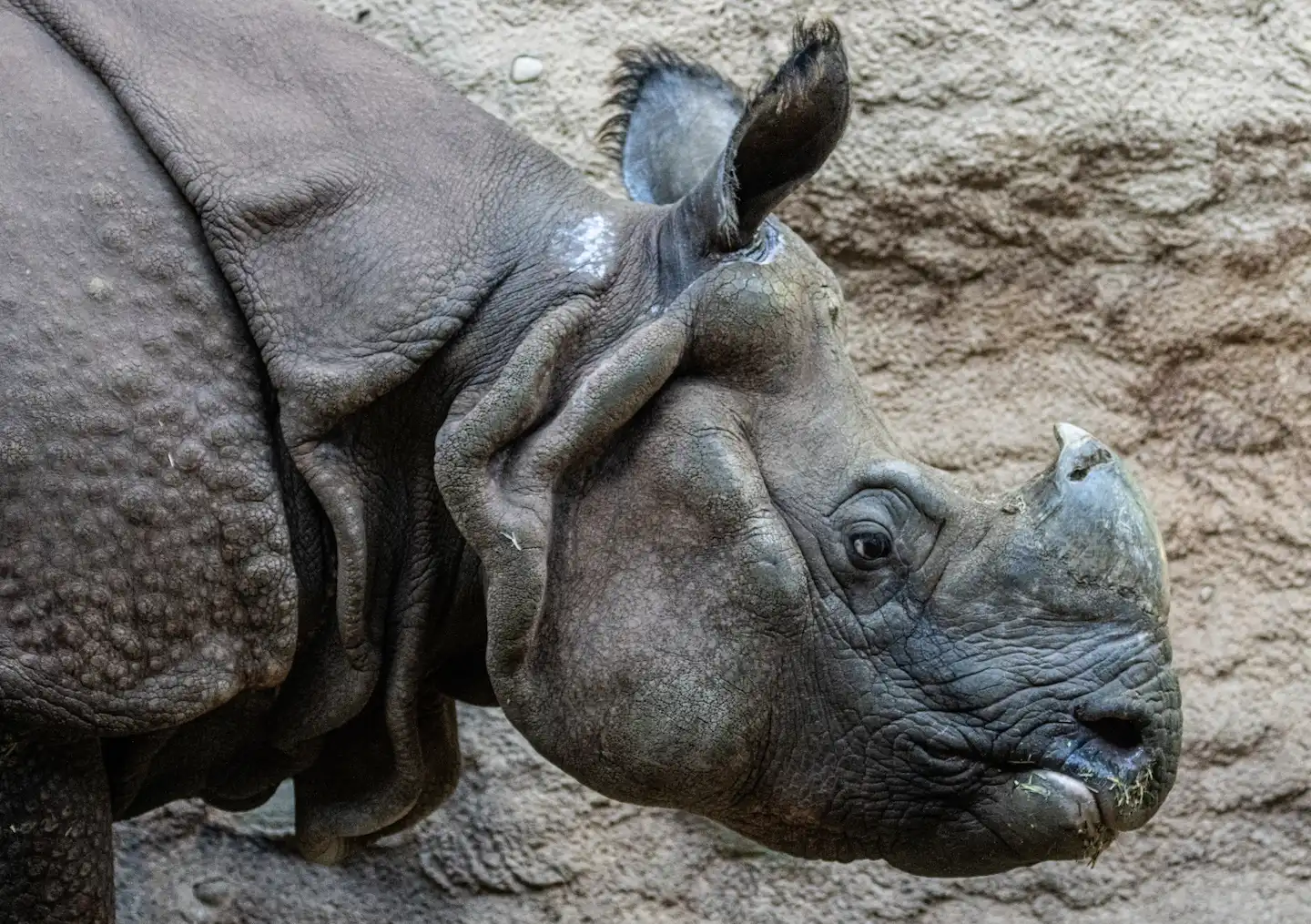
21-year-old Greater one-horned rhino, Vishnu, has a history of chronic foot disease and pressure sores. In the past, we covered his habitat in a deep layer of wood chip and did regular vet check-ins maintained his foot health. In January 2024, we began a new topical (wound cream & bandage) treatment plan. Later in the year, the addition of carpeting to high-use areas further protected the wounds from sharp wood chips, contributing to Vishnu’s healing and comfort. In late August 2024, a new topical treatment began. Keepers ask Vishnu to lie down and apply a horse canker powder to the foot cracks. The powder is kept in place with a bandage and vet wrap, creating rhino ‘booties’.

The foot cracks have started to narrow and Vishnu is walking noticeably more comfortably. He is spending much more time standing and walking. All of Vishnu’s pressure sores have healed considerably and some are now completely closed. He has started to exhibit “play” behaviours again and generally appears to have regained a lot of his old confidence.

While we are still working towards having Vishnu’s feet completely healed, we are very proud of the progress that has been made in 2024. We are also incredibly happy to see his pressure sores almost fully healed after almost a year of hard work!

Snow cub

Zoya, the firstborn and larger of the two snow leopard cubs, was born with a noticeable issue affecting her front legs. She struggled with her gait and had difficulty bearing weight on her front paws, resorting to “army crawling” on her elbows to move around.

Our incredible veterinary team carefully assessed Zoya to ensure she had no broken bones or other underlying physical issues. With guidance from a specialized rehabilitation veterinarian, keepers performed twice-daily physiotherapy exercises to improve the flexibility of her front paws and joints.

Over three visits from the rehabilitation expert, the exercises were gradually expanded as Zoya’s condition improved and she began bearing more weight on her paws. These new exercises included encouraging her to shift more weight onto her front legs, assisting her with walking by supporting her weight, and encouraging natural behaviours, like scratching and climbing, to strengthen her front leg muscles.

Thanks to the dedication and hard work of the team, Zoya has made remarkable progress, and her mobility has improved significantly. The issues that once affected her are no longer visible, and her stance and gait now match those of her twin sister Minu.

Polar Bears

Polar bear introductions were a goal for our team in 2024. The process started with in-depth behavioural observation and documentation. We also did extensive research and review into past polar bear introductions at our Zoo as well as others. Hudson’s increased swimming and play are helping keep him fit and active. Overall, the introduction of these polar bears is creating a more engaging day for bears, staff, volunteers and guests.

Next came the plan: A rating system was developed to help objectively judge how introductions would progress and any changes needed. Plans included safety measures, veterinary input, nutrition jackpots and welfare observation assistance.

The day of introductions, the team of keepers were all ready to go. Additionally, security and veterinary staff were at the ready in case things did not go according to plan.

Right away we knew we had made the right call as Juno stood her ground and let Hudson know she was in charge. Both bears have benefited from having someone to play with and can often be seen wrestling and interacting on land and in the pool. Juno, as a hand-raised bear, always tended to focus on humans. Since the introduction to Hudson, she now exhibits more appropriate bear social behaviours, even showing interest in Aurora and Nikita on occasion!

Vishnu

21-year-old Greater one-horned rhino, Vishnu, has a history of chronic foot disease and pressure sores. In the past, we covered his habitat in a deep layer of wood chip and did regular vet check-ins maintained his foot health. In January 2024, we began a new topical (wound cream & bandage) treatment plan. Later in the year, the addition of carpeting to high-use areas further protected the wounds from sharp wood chips, contributing to Vishnu’s healing and comfort. In late August 2024, a new topical treatment began. Keepers ask Vishnu to lie down and apply a horse canker powder to the foot cracks. The powder is kept in place with a bandage and vet wrap, creating rhino ‘booties’.

The foot cracks have started to narrow and Vishnu is walking noticeably more comfortably. He is spending much more time standing and walking. All of Vishnu’s pressure sores have healed considerably and some are now completely closed. He has started to exhibit “play” behaviours again and generally appears to have regained a lot of his old confidence.

While we are still working towards having Vishnu’s feet completely healed, we are very proud of the progress that has been made in 2024. We are also incredibly happy to see his pressure sores almost fully healed after almost a year of hard work!

Snow cub

Zoya, the firstborn and larger of the two snow leopard cubs, was born with a noticeable issue affecting her front legs. She struggled with her gait and had difficulty bearing weight on her front paws, resorting to “army crawling” on her elbows to move around.

Our incredible veterinary team carefully assessed Zoya to ensure she had no broken bones or other underlying physical issues. With guidance from a specialized rehabilitation veterinarian, keepers performed twice-daily physiotherapy exercises to improve the flexibility of her front paws and joints.

Over three visits from the rehabilitation expert, the exercises were gradually expanded as Zoya’s condition improved and she began bearing more weight on her paws. These new exercises included encouraging her to shift more weight onto her front legs, assisting her with walking by supporting her weight, and encouraging natural behaviours, like scratching and climbing, to strengthen her front leg muscles.

Thanks to the dedication and hard work of the team, Zoya has made remarkable progress, and her mobility has improved significantly. The issues that once affected her are no longer visible, and her stance and gait now match those of her twin sister Minu.

Polar Bears

Polar bear introductions were a goal for our team in 2024. The process started with in-depth behavioural observation and documentation. We also did extensive research and reviewed past polar bear introductions at our Zoo and others. Hudson’s increased swimming and play are helping keep him fit and active. Overall, the introduction of these polar bears is creating a more engaging day for bears, staff, volunteers and guests.

Next came the plan: A rating system was developed to objectively judge how introductions would progress and any changes needed. Plans included safety measures, veterinary input, nutrition jackpots and welfare observation.

The day of introductions, the team of keepers were ready to go. Security and veterinary staff were also at the ready in case things didn’t go according to plan.

Right away we knew we’d made the right call as Juno stood her ground and let Hudson know she was in charge. Both bears have benefited from having someone to play with and can often be seen wrestling and interacting on land and in the pool. Juno, as a hand-raised bear, tended to focus on humans. Since the introduction to Hudson, she now exhibits more appropriate bear social behaviours, even showing interest in Aurora and Nikita on occasion!

Vishnu

21-year-old Greater one-horned rhino, Vishnu, has a history of chronic foot disease and pressure sores. In the past, we covered his habitat in a deep layer of wood chip and did regular vet check-ins maintained his foot health. In January 2024, we began a new topical (wound cream & bandage) treatment plan. Later in the year, the addition of carpeting to high-use areas further protected the wounds from sharp wood chips, contributing to Vishnu’s healing and comfort. In late August 2024, a new topical treatment began. Keepers ask Vishnu to lie down and apply a horse canker powder to the foot cracks. The powder is kept in place with a bandage and vet wrap, creating rhino ‘booties’.

The foot cracks have started to narrow and Vishnu is walking noticeably more comfortably. He is spending much more time standing and walking. All of Vishnu’s pressure sores have healed considerably and some are now completely closed. He has started to exhibit “play” behaviours again and generally appears to have regained a lot of his old confidence.

While we are still working towards having Vishnu’s feet completely healed, we are very proud of the progress that has been made in 2024. We are also incredibly happy to see his pressure sores almost fully healed after almost a year of hard work!

50 Years of Conservation

50 Years of Conservation

50 Years of Conservation Science 

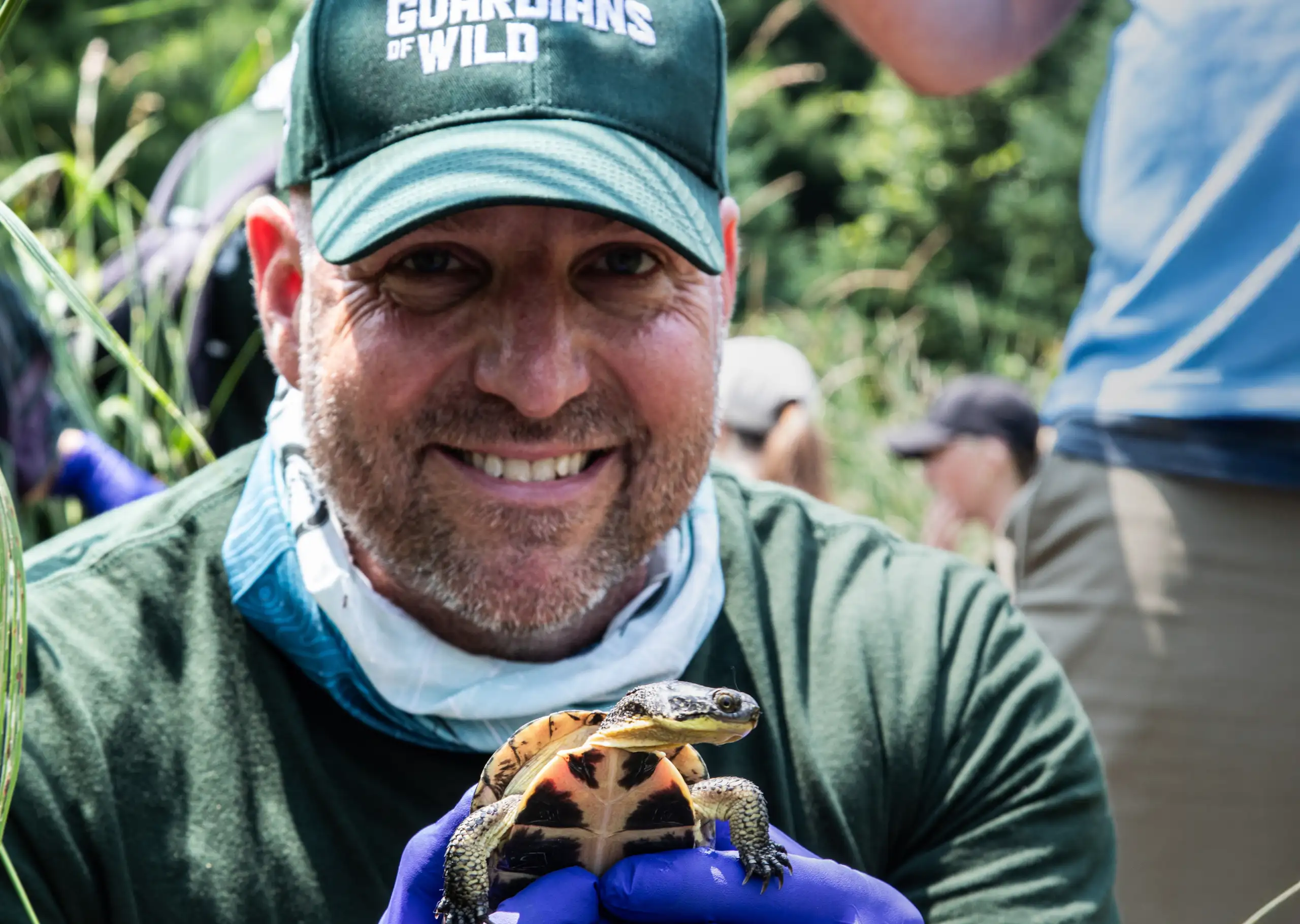
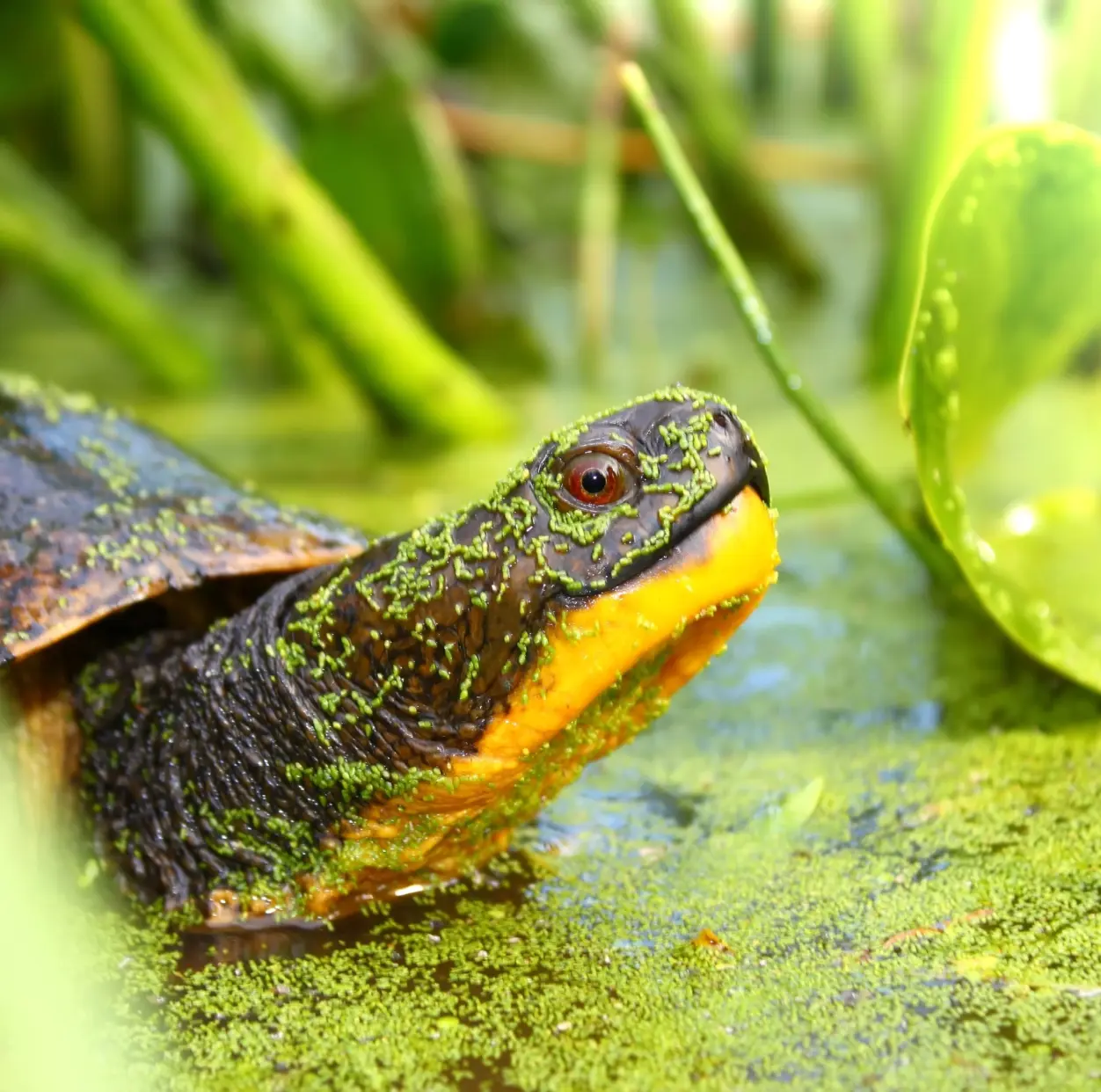
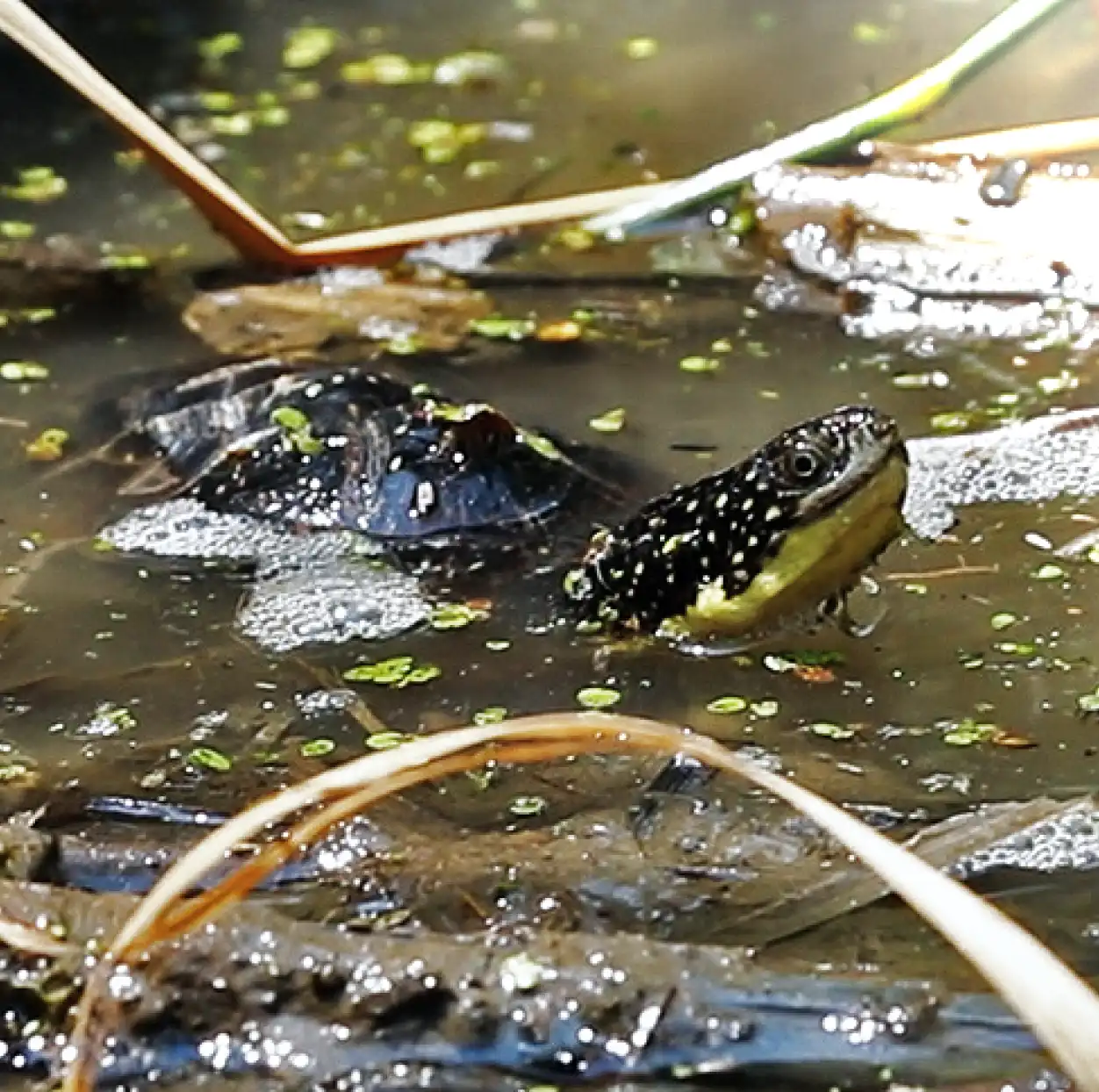
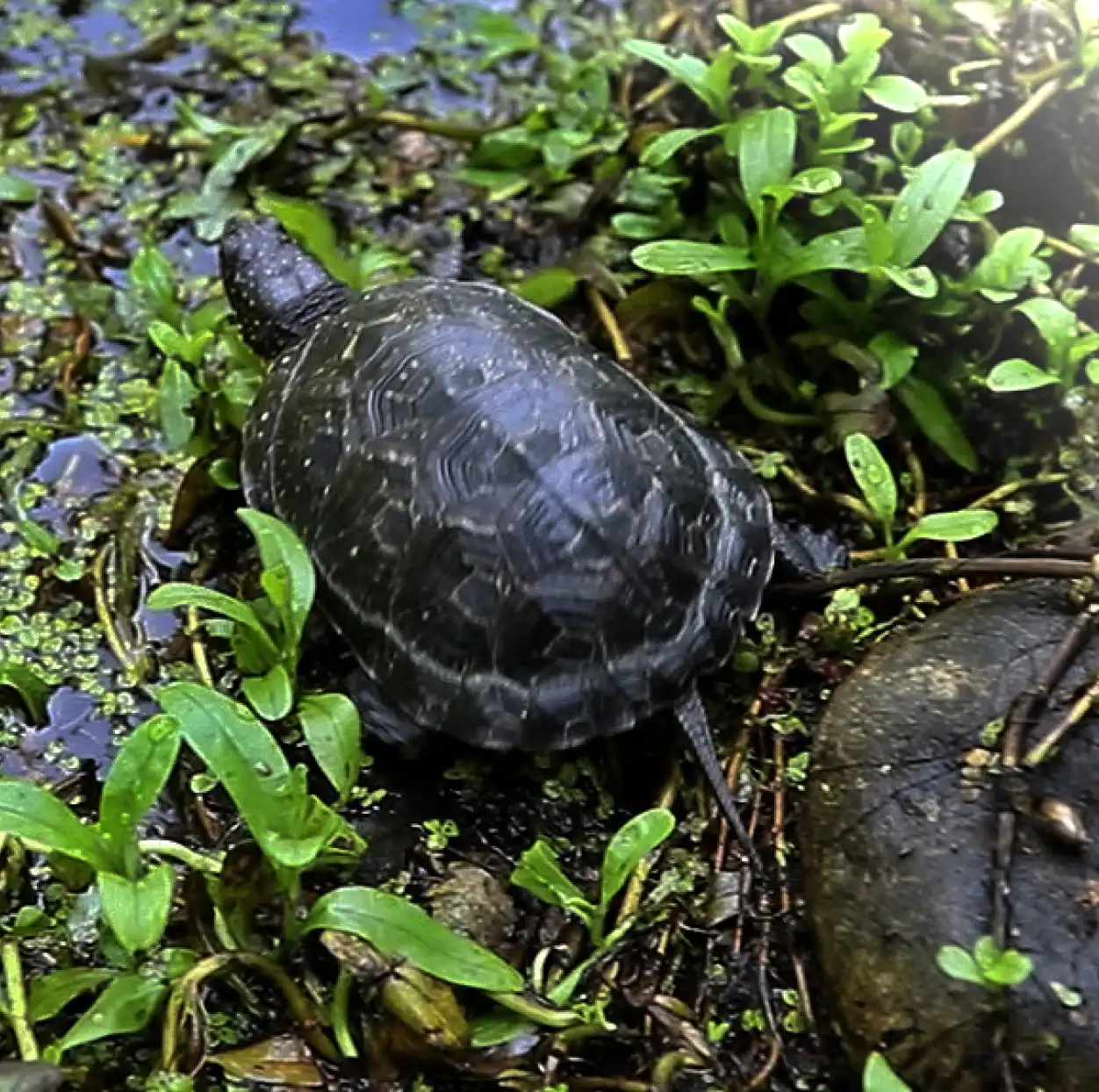
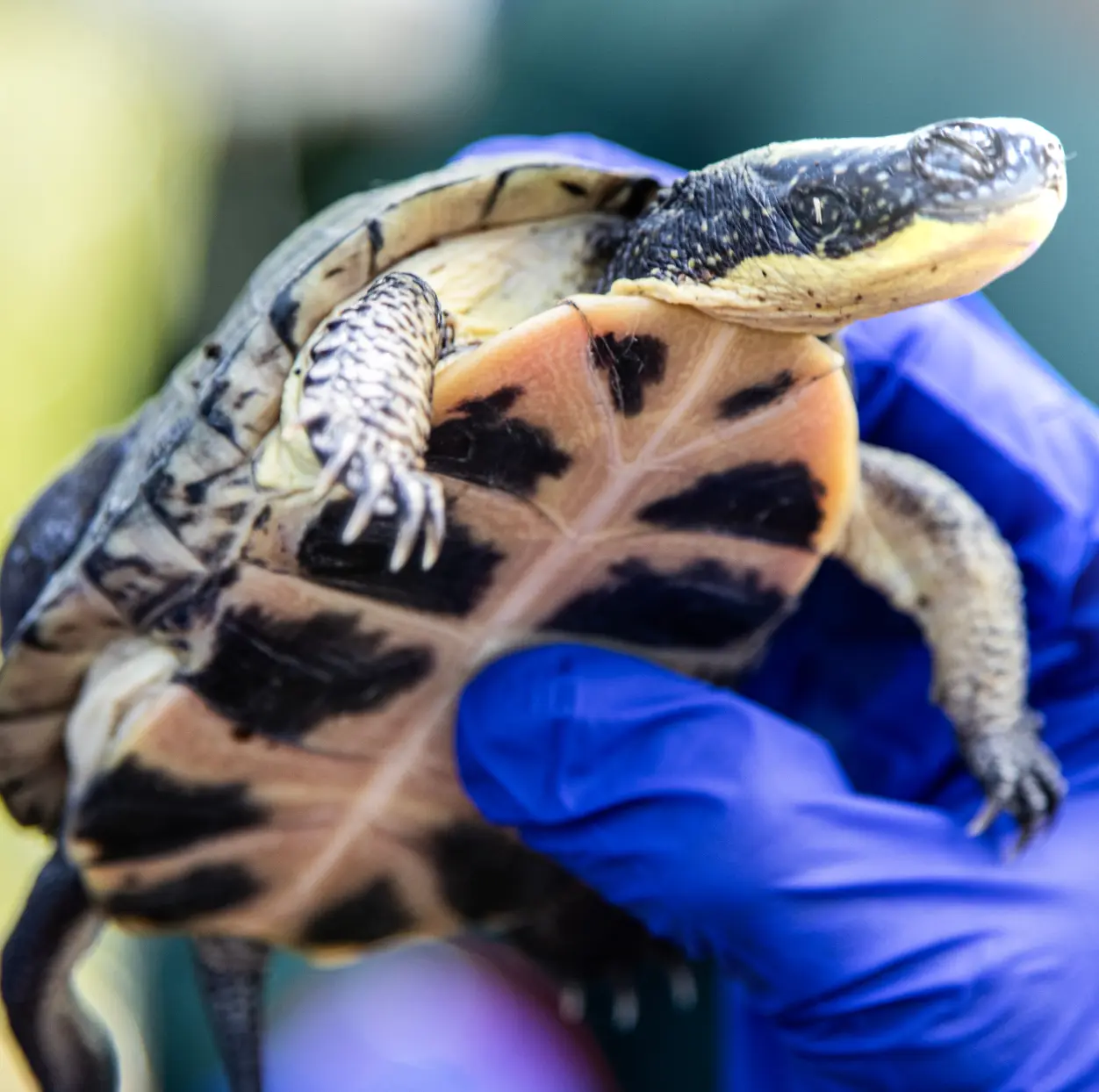
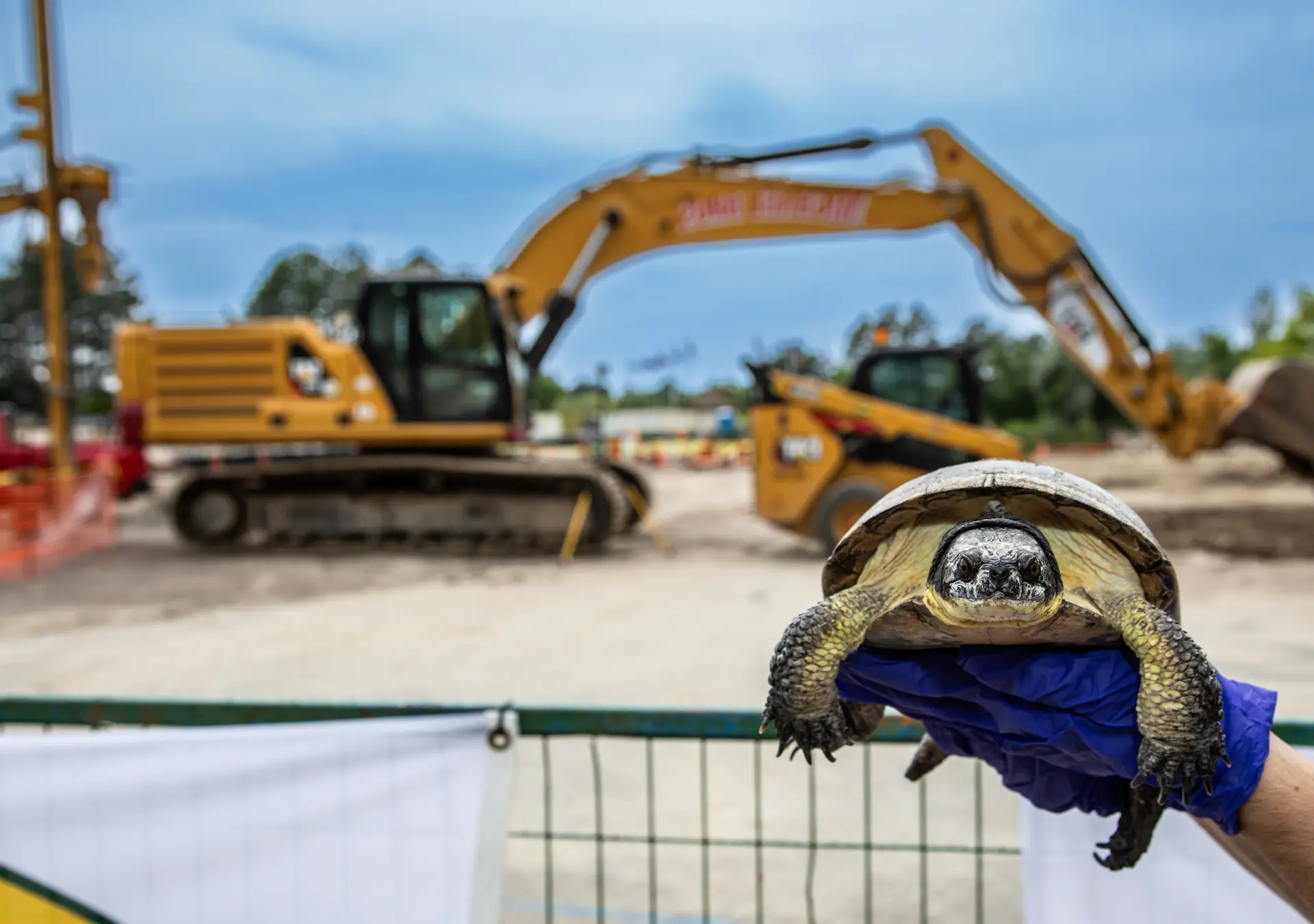
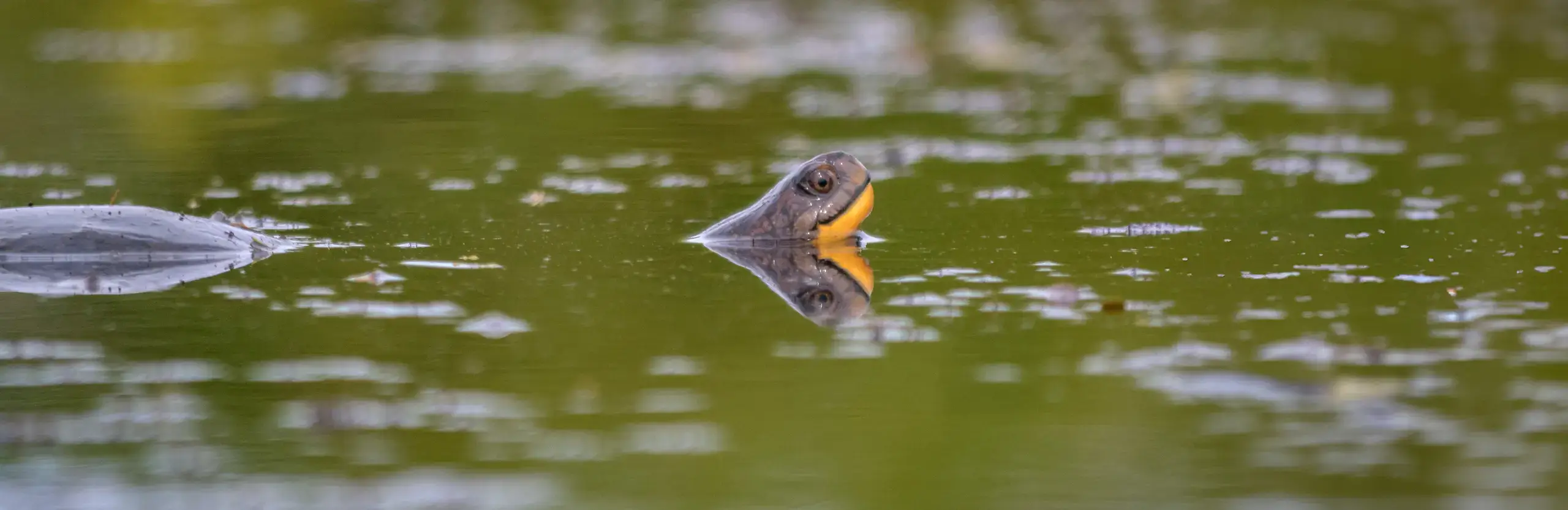
In celebrating our 50th anniversary it was a time to reflect upon 50 years of conservation science contributions, celebrating what we’ve done so far and thinking about what we hope to achieve in the future. The importance of our contributions to save wild species and wild spaces was felt deeply as we released juvenile Blanding’s turtles into Rouge National Urban Park for the 11th year! This collaborative initiative, co-led by your Toronto Zoo’s Adopt-a-Pond Wetland Conservation Program and Parks Canada, is part of recovery efforts to conserve this endangered species in the Greater Toronto Area. This year, the team released 61 two-year-olds, bringing the total number of Blanding’s turtles released to over 700. 

Why do they need our help?  

The Rouge River watershed has changed drastically over the past 200 years, and this has had major consequences for the animals that live there. Historically, this area was home to the Blanding’s turtle, which is currently a federally endangered species. In the 1990s, fewer than 10 adult Blanding’s turtles were found in the area that is now the Rouge National Urban Park, which is not nearly enough to support a healthy population. As a result, our head-start program began.

A two-year journey to the wild

The Blanding’s turtles released through this program each year are two-year-olds, to ensure they are big and strong enough to thrive in their new environment. Eggs collected from table source populations in June are incubated for around two months before hatching into their first year in the Americas Pavilion where guests can visit these tiny turtles. After their first birthday they move indoors at the Wildfire Healthcare Centre to acclimate to the elements, like daily weather changes, sounds, and sights, to prepare them for release. Once they turn two they are released into the wild, in different locations each year which are kept top-secret to mitigate the threat of poaching.

The Turtle with the Sun Under its Chin

Each year in June, Blanding’s turtles are released into Rouge National Urban Park to commemorate National Indigenous Heritage Month in Canada, which is a time to recognize the rich history, heritage, resilience and diversity of First Nations, Inuit and Métis. Before being released into their new home, each turtle receives a blessing at the Toronto Zoo from an Elder or Indigenous Knowledge Keeper. Turtles hold special significance for many Indigenous Nations on Turtle Island (what is now called Canada and the United States). Turtles appear in many traditional teachings and Creation stories and play an essential role in the Creation story, as the Earth is formed on its back.

50 Years of Conservation Science 

In celebrating our 50th anniversary it was a time to reflect upon 50 years of conservation science contributions, celebrating what we’ve done so far and thinking about what we hope to achieve in the future. The importance of our contributions to save wild species and wild spaces was felt deeply as we released juvenile Blanding’s turtles into Rouge National Urban Park for the 11th year! This collaborative initiative, co-led by your Toronto Zoo’s Adopt-a-Pond Wetland Conservation Program and Parks Canada, is part of recovery efforts to conserve this endangered species in the Greater Toronto Area. This year, the team released 61 two-year-olds, bringing the total number of Blanding’s turtles released to over 700. 

Why do they need our help?  

The Rouge River watershed has changed drastically over the past 200 years, and this has had major consequences for the animals that live there. Historically, this area was home to the Blanding’s turtle, which is currently a federally endangered species. In the 1990s, fewer than 10 adult Blanding’s turtles were found in the area that is now the Rouge National Urban Park, which is not nearly enough to support a healthy population. As a result, our head-start program began.

A two-year journey to the wild

The Blanding’s turtles released through this program each year are two-year-olds, to ensure they are big and strong enough to thrive in their new environment. Eggs collected from table source populations in June are incubated for around two months before hatching into their first year in the Americas Pavilion where guests can visit these tiny turtles. After their first birthday they move indoors at the Wildfire Healthcare Centre to acclimate to the elements, like daily weather changes, sounds, and sights, to prepare them for release. Once they turn two they are released into the wild, in different locations each year which are kept top-secret to mitigate the threat of poaching.

The Turtle with the Sun Under its Chin

Each year in June, Blanding’s turtles are released into Rouge National Urban Park to commemorate National Indigenous Heritage Month in Canada, which is a time to recognize the rich history, heritage, resilience and diversity of First Nations, Inuit and Métis. Before being released into their new home, each turtle receives a blessing at the Toronto Zoo from an Elder or Indigenous Knowledge Keeper. Turtles hold special significance for many Indigenous Nations on Turtle Island (what is now called Canada and the United States). Turtles appear in many traditional teachings and Creation stories and play an essential role in the Creation story, as the Earth is formed on its back.

50 Years of Conservation Science 

In celebrating our 50th anniversary it was a time to reflect upon 50 years of conservation science contributions, celebrating what we’ve done so far and thinking about what we hope to achieve in the future. The importance of our contributions to save wild species and wild spaces was felt deeply as we released juvenile Blanding’s turtles into Rouge National Urban Park for the 11th year! This collaborative initiative, co-led by your Toronto Zoo’s Adopt-a-Pond Wetland Conservation Program and Parks Canada, is part of recovery efforts to conserve this endangered species in the Greater Toronto Area. This year, the team released 61 two-year-olds, bringing the total number of Blanding’s turtles released to over 700. 

Why do they need our help?

The Rouge River watershed has changed drastically over the past 200 years, and this has had major consequences for the animals that live there. Historically, this area was home to the Blanding’s turtle, which is currently a federally endangered species. In the 1990s, fewer than 10 adult Blanding’s turtles were found in the area that is now the Rouge National Urban Park, which is not nearly enough to support a healthy population. As a result, our head-start program began.

A two-year journey to the wild

The Blanding’s turtles released through this program each year are two-year-olds, to ensure they are big and strong enough to thrive in their new environment. Eggs collected from table source populations in June are incubated for around two months before hatching into their first year in the Americas Pavilion where guests can visit these tiny turtles. After their first birthday they move indoors at the Wildfire Healthcare Centre to acclimate to the elements, like daily weather changes, sounds, and sights, to prepare them for release. Once they turn two they are released into the wild, in different locations each year which are kept top-secret to mitigate the threat of poaching.

The Turtle with the Sun Under its Chin

Each year in June, Blanding’s turtles are released into Rouge National Urban Park to commemorate National Indigenous Heritage Month in Canada, which is a time to recognize the rich history, heritage, resilience and diversity of First Nations, Inuit and Métis. Before being released into their new home, each turtle receives a blessing at the Toronto Zoo from an Elder or Indigenous Knowledge Keeper. Turtles hold special significance for many Indigenous Nations on Turtle Island (what is now called Canada and the United States). Turtles appear in many traditional teachings and Creation stories and play an essential role in the Creation story, as the Earth is formed on its back.

Eastern Massasauga Rattlesnakes

F

or the last few years, through our Massasauga rattlesnake program, the Zoo has been trying to prove there is a suitable "life zone" for hibernation

F

or the last few years, through our Massasauga rattlesnake program, the Zoo has been trying to prove there is a suitable "life zone" for hibernation

F

or the last few years, through our Massasauga rattlesnake program, the Zoo has been trying to prove there is a suitable "life zone" for hibernation

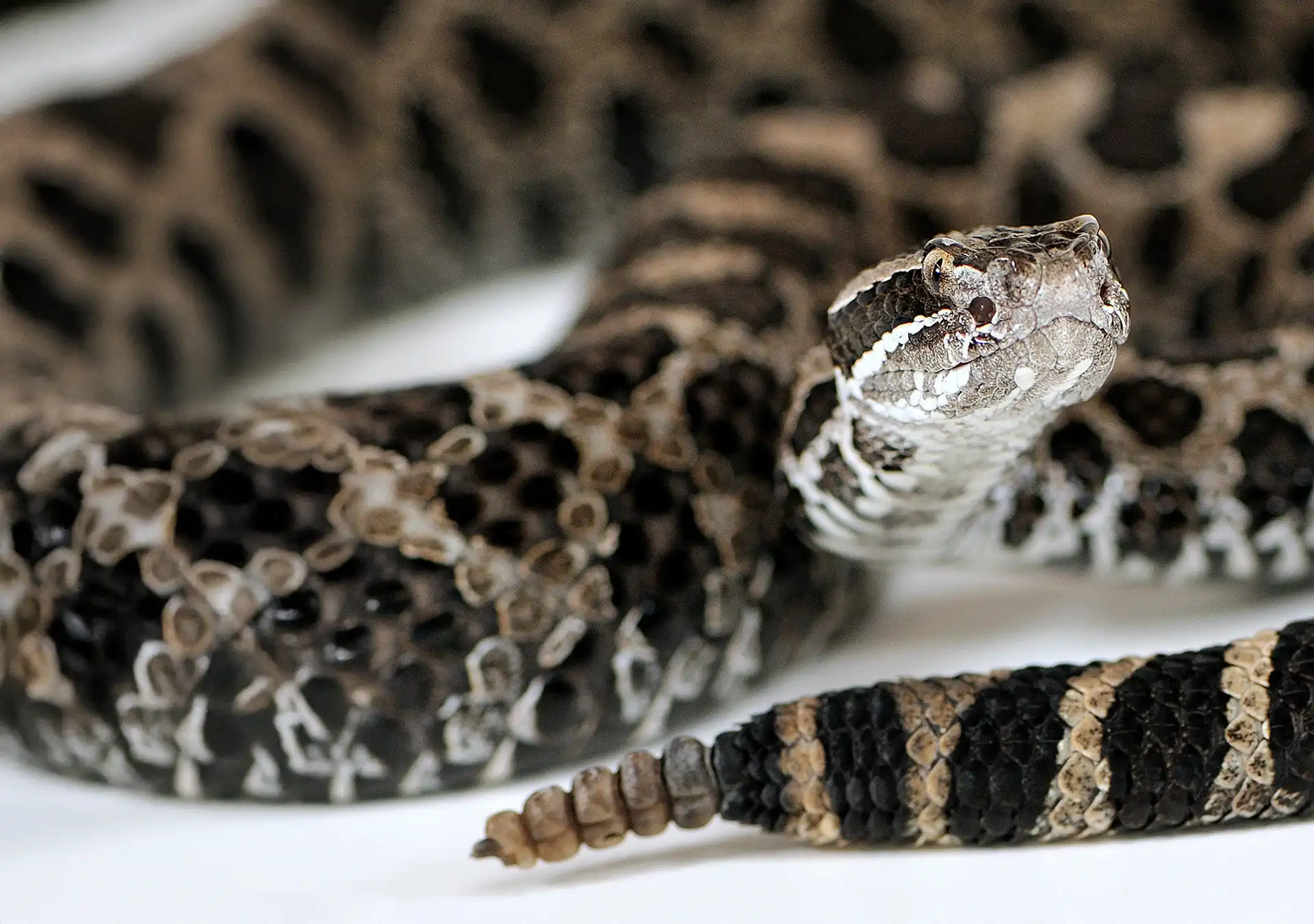
survival for hibernation of this species in an area where we hope to see future translocations. Life zone is the space between the groundwater table and the frost line, which must remain unfrozen for survival during hibernation. Together with Wildlife Preservation Canada, Wildlife Preservation Canada, we test and demonstrate that the habitat is suitable through the building of "hibernation tubes" which are meant to simulate a crayfish burrow, which rattlesnakes use to hibernate through the winter.

The rattlesnakes, in this case, are then loaded into tubes and will stay there through the winter (from mid-November to mid-April). At that point, the snakes are then extracted to see if everyone survived well. They will then transition back into human care, in preparation for release into the wild.

In 2024, 24 snakes were out in the southwestern Ontario area and in a location not publicly shared to protect their safety. Thankfully, there has been a 100% survival rate in the last two years of them hibernating in tubes. 

The AZA Eastern Massasauga Rattlesnake SSP is a zoo-based program that is in a unique position to assist with this effort. Along with our partners, we are working diligently to recover the eastern massasauga rattlesnake across its range. We have been working to save and protect eastern massasauga rattlesnakes (as well as Ontario snakes) since 1989 and provide workshops for Zoo members and those living in areas where rattlesnakes are found.

We also contribute to the recovery of this species and a team of recovery experts support field research, education and outreach programs and resources, scientific research, monitoring, development of shelter areas and ecosystem restoration.

Those partners include the Canadian Eastern Massasauga Rattlesnake Implementation Group and the Ojibway Prairie Reptile Recovery Working Group, who started this important project in 2015. Since then, we have followed the IUCN One Plan approach. WE continue to work towards the development of management strategies and conservation actions by all responsible parties for all populations of a species, whether they are inside or outside their natural range.

Caribou Genome Project

I

n conservation science, collaboration is key. Your Toronto Zoo initiated a Caribou Genome Biobanking Project that will investigate methods in reproductive and general cell cryopreservation for vulnerable populations of Ontario’s Boreal Caribou.

I

n conservation science, collaboration is key. Your Toronto Zoo initiated a Caribou Genome Biobanking Project that will investigate methods in reproductive and general cell cryopreservation for vulnerable populations of Ontario’s Boreal Caribou.

I

n conservation science, collaboration is key. Your Toronto Zoo initiated a Caribou Genome Biobanking Project that will investigate methods in reproductive and general cell cryopreservation for vulnerable populations of Ontario’s Boreal Caribou.

We partnered with Weenusk First Nation (WFN), an Indigenous community in Northern Ontario, to provide guidance, and integrate conservation science and traditional knowledge as an integral part of working with this iconic and culturally significant Canadian species.

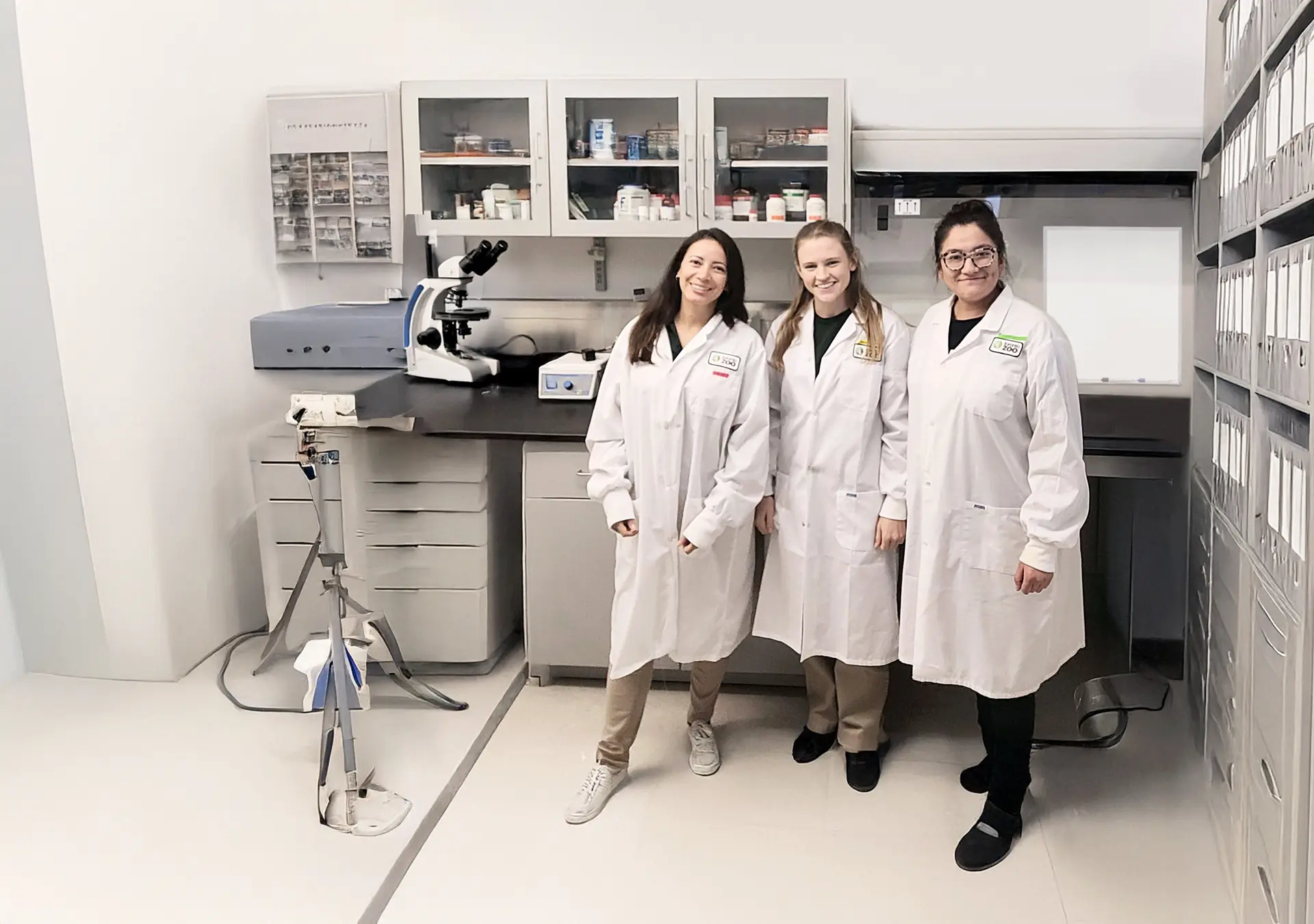
As part of this collaboration, we welcomed Jade Hunter, a research assistant from WFN, to the Toronto Zoo. Jade received specialized training in the Zoo’s reproductive science laboratories and will work alongside our team on the Caribou Genome Biobanking Project. Her role will involve supporting sample collection efforts and assisting with community engagement.

Jade Hunter is Swampy Cree from Weenusk First Nation and was raised in a small community on the southern shore of Hudson Bay lowlands. She grew up under the traditional knowledge and culture of her Cree heritage and learned from a young age how to steward the

land’s flora, fauna and environment.

As a Natural Resource Monitor Assistant with Weenusk First Nation, Jade has assisted in multiple projects targeted to help protect and monitor the environment – especially with our changing climate.

Some of these projects include sampling and monitoring water quality, bottom-dwelling macroinvertebrates, yearly snow levels, fish mercury levels, bird migration, peatland sampling including permafrost, and blue carbon sampling. WFN has partnered with governments, non-government organizations, and academic organizations, connecting Traditional knowledge with Western knowledge to uncover new insights.

The collaboration between your Toronto Zoo and WFN will bring invaluable perspectives to innovative research endeavours such as biobanking and contribute to collaborative efforts and solutions for Canadian Species.

Conservation, by the Numbers

61

Blandings turtles released

12

Black-footed ferrets sent to Ferret Conservation Centre

15

Black-footed ferrets kits born

13

Vancouver Island Marmot pups born at Toronto Zoo

13

Vancouver Island Marmot pups sent to Marmot Recovery Centre in BC

5

Eastern Loggerhead Shrikes hatched

Conservation, by the Numbers

61

Blandings turtles released

12

Black-footed ferrets sent to Ferret Conservation Centre

15

Black-footed ferrets kits born

13

Vancouver Island Marmot pups born at Toronto Zoo

13

Vancouver Island Marmot pups sent to Marmot Recovery Centre in BC

5

Eastern Loggerhead Shrikes hatched

Conservation, by the Numbers

61

Blandings turtles released

12

Black-footed ferrets sent to Ferret Conservation Centre

15

Black-footed ferrets kits born

13

Vancouver Island Marmot pups born at Toronto Zoo

13

Vancouver Island Marmot pups sent to Marmot Recovery Centre in BC

5

Eastern Loggerhead Shrikes hatched

Beyond the Borders of Toronto Zoo

Beyond the Borders of Toronto Zoo

Toronto Zoo abroad

The work we do here at Toronto Zoo goes beyond the walls of our Zoo. The challenges facing our planet are felt on a global scale, and it’s only fitting that the work we do to protect wild spaces and wild species must be impactful on a global scale too.

Sumatran Ranger Tiger Project

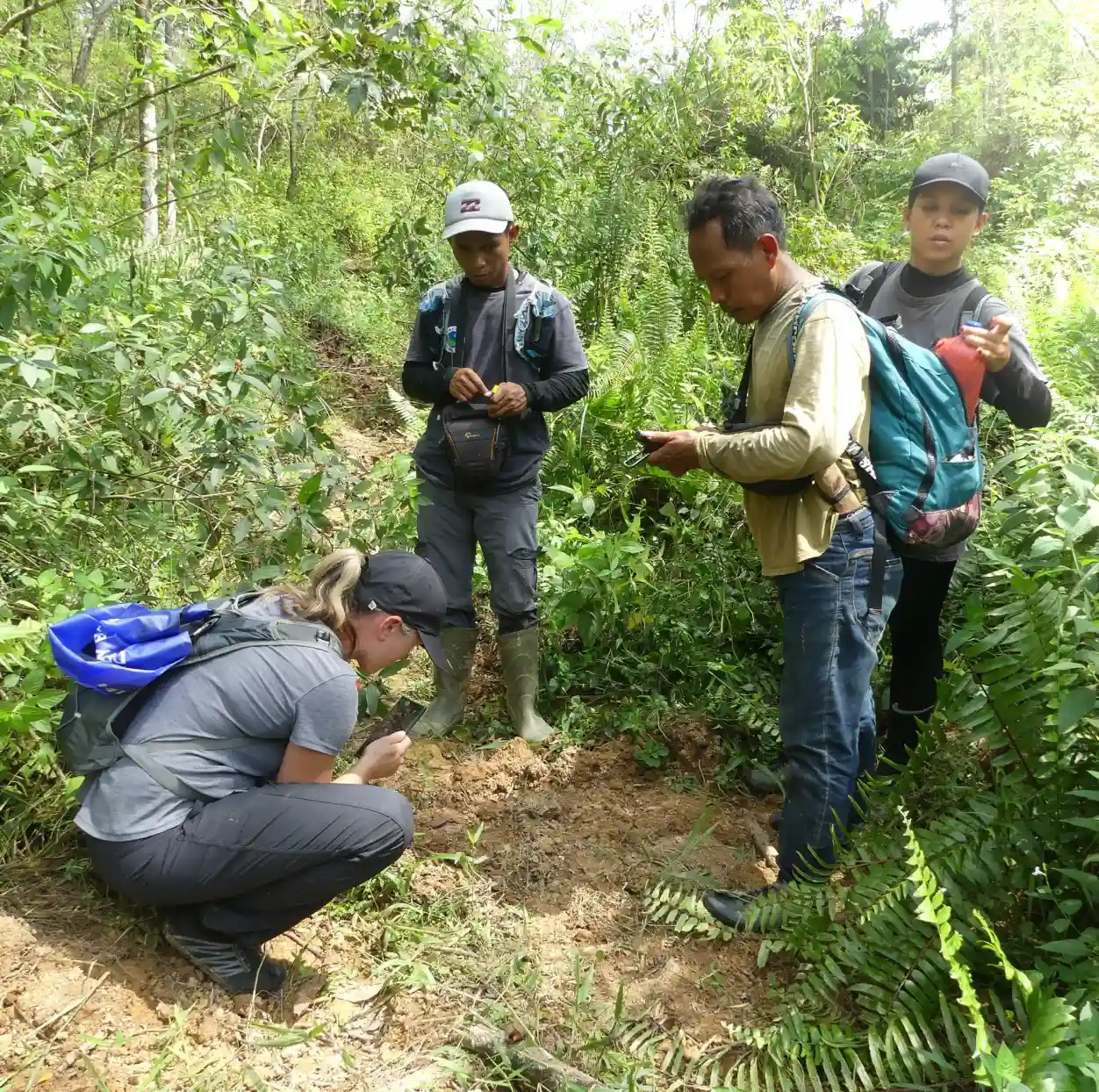
In April, six Toronto Zoo staff travelled to Sumatra, Indonesia, and worked alongside passionate and skilled rangers in the Tangkahan area, where they helped to build a community livestock corral that was shared amongst 5 farmers that can hold upwards of 50 cattle. This is a community conservation initiative, established to help provide long-term protection of the Leuser Ecosystem forest edge to benefit both wildlife and people. They employ a team of 11 rangers who patrol the edge of the Gunung Leuser National Park in North Sumatra; deactivating and destroying traps and snares, providing community outreach and education, mitigating and preventing human-wildlife conflict, collecting data and supporting communities to achieve sustainable and practical solutions to issues that affect quality of life and livelihoods.

Sariska Tiger Reserve

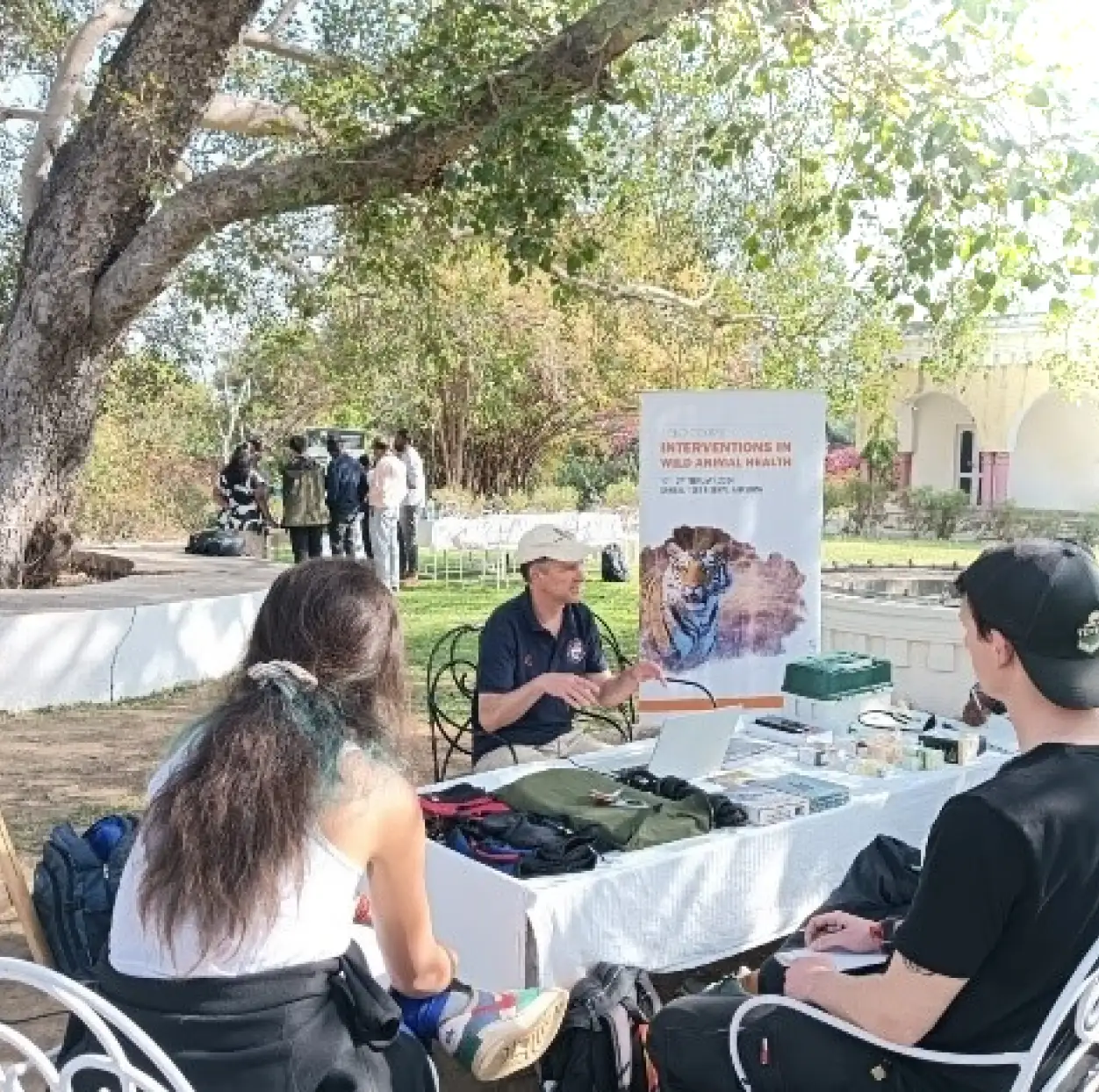
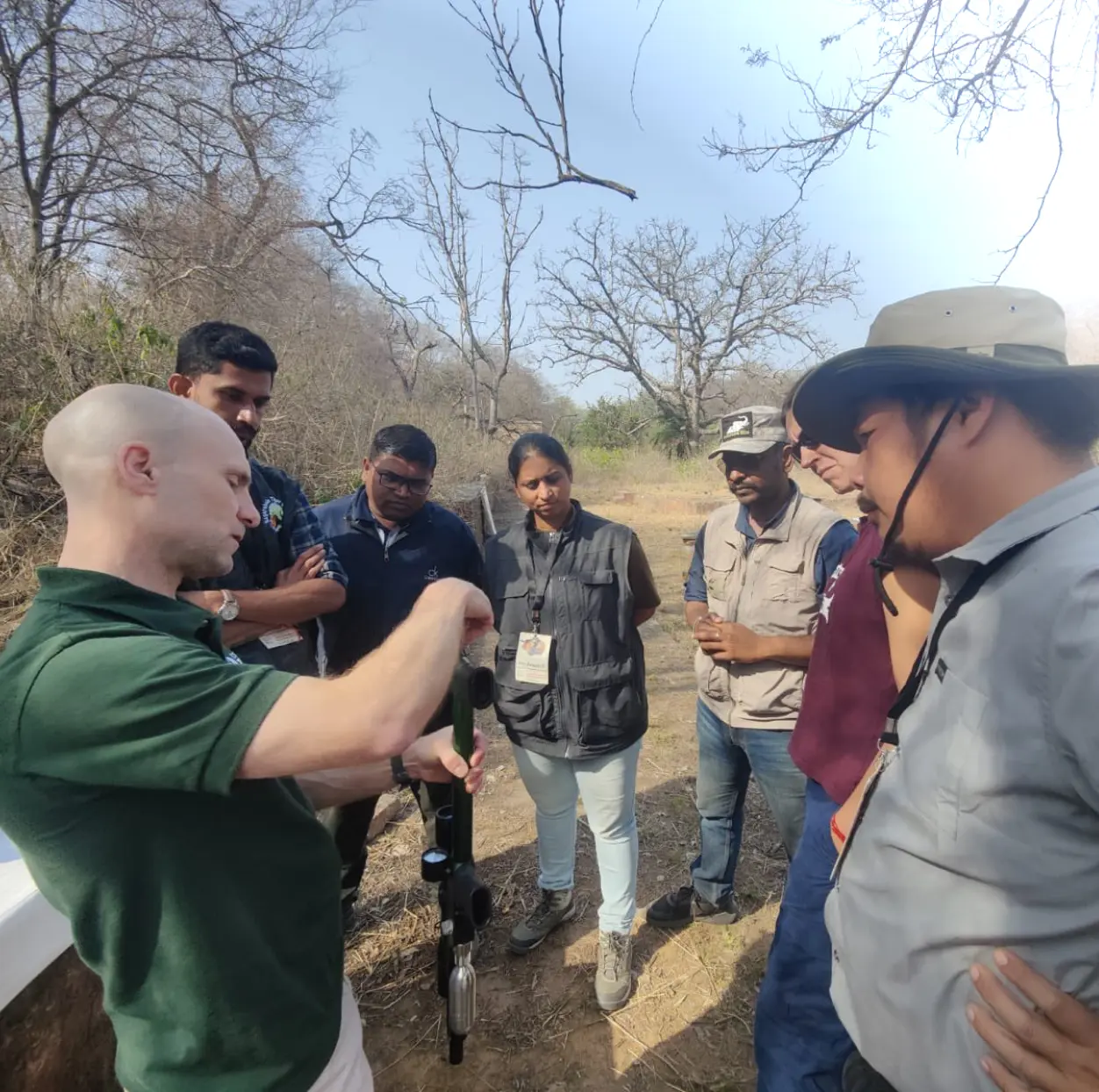
Dr. Masters, and Dawn Mihailovic, RVT, both members of the veterinary staff in our Wildlife Health team, travelled to Sariska Tiger Reserve in Rajasthan, India in February 2024. They joined an international group of tutors in delivering the Interventions in Wild Animal Health course. This course, in its ninth year, trains vets from around the globe in wildlife health disciplines (monitoring animal populations, investigating and countering disease outbreaks, planning and performing safe anesthesia in wild animals in the field). More than 20 participants, from South Asia and beyond, joined the course.

Planet Madagascar

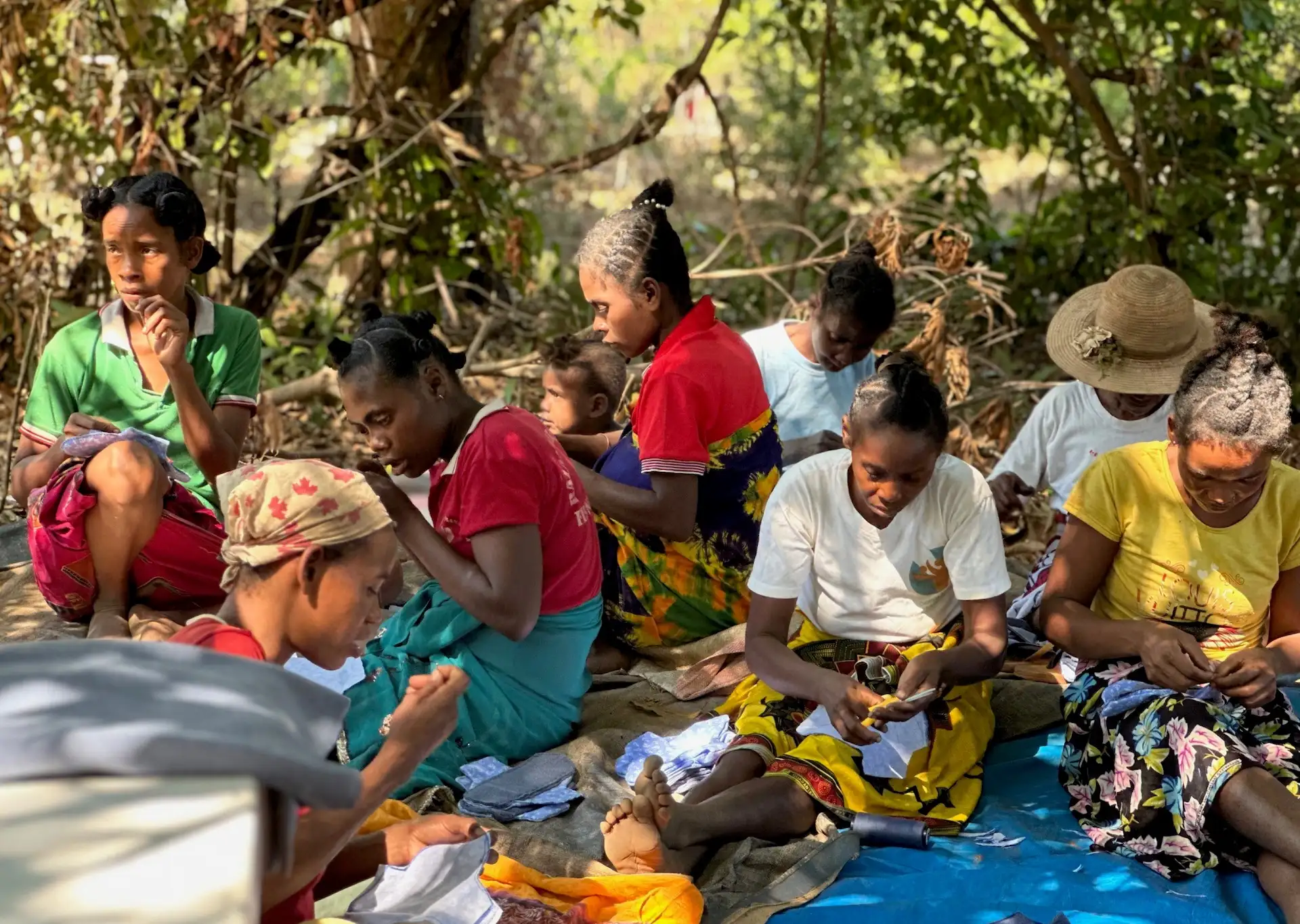
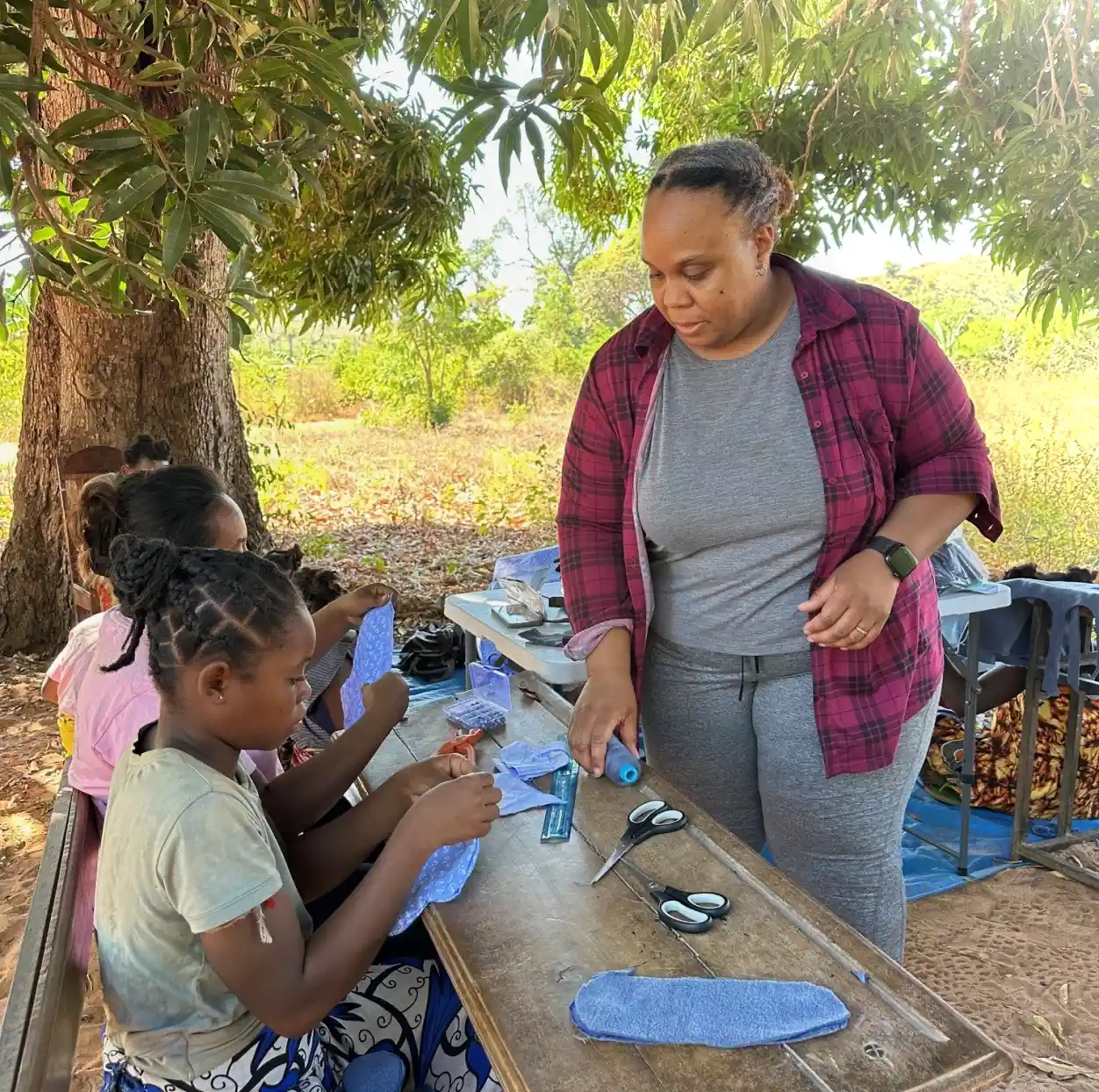
In June of 2024, two Toronto Zoo staff members were selected to travel to Madagascar alongside our conservation science partners. As part of an ongoing Partners in Protection program, your Zoo worked in situ with local teams overseas to learn more about the plight of lemurs and how their absence and presence plays a significant role in Madagascar’s biodiversity. Not only did they have the chance to discover that Lemurs are the Creators of the Forest, but Zoo staff left a lasting legacy following a successful Women’s Menstruation project. In particular, our Supervisor of Custodial was able to teach local Malagasy women to create hygienic pads. By supporting the women and men who care for the lemurs, we are saving lemurs in situ.

Toronto Zoo abroad

The work we do here at Toronto Zoo goes beyond the walls of our Zoo. The challenges facing our planet are felt on a global scale, and it’s only fitting that the work we do to protect wild spaces and wild species must be impactful on a global scale too.

Sumatran Ranger Tiger Project

In April, six Toronto Zoo staff travelled to Sumatra, Indonesia, and worked alongside passionate and skilled rangers in the Tangkahan area, where they helped to build a community livestock corral that was shared amongst 5 farmers that can hold upwards of 50 cattle. This is a community conservation initiative, established to help provide long-term protection of the Leuser Ecosystem forest edge to benefit both wildlife and people. They employ a team of 11 rangers who patrol the edge of the Gunung Leuser National Park in North Sumatra; deactivating and destroying traps and snares, providing community outreach and education, mitigating and preventing human-wildlife conflict, collecting data and supporting communities to achieve sustainable and practical solutions to issues that affect quality of life and livelihoods.

Sariska Tiger Reserve

Dr. Masters, and Dawn Mihailovic, RVT, both members of the veterinary staff in our Wildlife Health team, travelled to Sariska Tiger Reserve in Rajasthan, India in February 2024. They joined an international group of tutors in delivering the Interventions in Wild Animal Health course. This course, in its ninth year, trains vets from around the globe in wildlife health disciplines (monitoring animal populations, investigating and countering disease outbreaks, planning and performing safe anesthesia in wild animals in the field). More than 20 participants, from South Asia and beyond, joined the course.

Planet Madagascar

In June of 2024, two Toronto Zoo staff members were selected to travel to Madagascar alongside our conservation science partners. As part of an ongoing Partners in Protection program, your Zoo worked in situ with local teams overseas to learn more about the plight of lemurs and how their absence and presence plays a significant role in Madagascar’s biodiversity. Not only did they have the chance to discover that Lemurs are the Creators of the Forest, but Zoo staff left a lasting legacy following a successful Women’s Menstruation project. In particular, our Supervisor of Custodial was able to teach local Malagasy women to create hygienic pads. By supporting the women and men who care for the lemurs, we are saving lemurs in situ.

Toronto Zoo abroad

The work we do here at Toronto Zoo goes beyond the walls of our Zoo. The challenges facing our planet are felt on a global scale, and it’s only fitting that the work we do to protect wild spaces and wild species must be impactful on a global scale too.

Sumatran Ranger Tiger Project

In April, six Toronto Zoo staff travelled to Sumatra, Indonesia, and worked alongside passionate and skilled rangers in the Tangkahan area, where they helped to build a community livestock corral that was shared amongst 5 farmers that can hold upwards of 50 cattle. This is a community conservation initiative, established to help provide long-term protection of the Leuser Ecosystem forest edge to benefit both wildlife and people. They employ a team of 11 rangers who patrol the edge of the Gunung Leuser National Park in North Sumatra; deactivating and destroying traps and snares, providing community outreach and education, mitigating and preventing human-wildlife conflict, collecting data and supporting communities to achieve sustainable and practical solutions to issues that affect quality of life and livelihoods.

Sariska Tiger Reserve

Dr. Masters, and Dawn Mihailovic, RVT, both members of the veterinary staff in our Wildlife Health team, travelled to Sariska Tiger Reserve in Rajasthan, India in February 2024. They joined an international group of tutors in delivering the Interventions in Wild Animal Health course. This course, in its ninth year, trains vets from around the globe in wildlife health disciplines (monitoring animal populations, investigating and countering disease outbreaks, planning and performing safe anesthesia in wild animals in the field). More than 20 participants, from South Asia and beyond, joined the course.

Planet Madagascar

In June of 2024, two Toronto Zoo staff members were selected to travel to Madagascar alongside our conservation science partners. As part of an ongoing Partners in Protection program, your Zoo worked in situ with local teams overseas to learn more about the plight of lemurs and how their absence and presence plays a significant role in Madagascar’s biodiversity. Not only did they have the chance to discover that Lemurs are the Creators of the Forest, but Zoo staff left a lasting legacy following a successful Women’s Menstruation project. In particular, our Supervisor of Custodial was able to teach local Malagasy women to create hygienic pads. By supporting the women and men who care for the lemurs, we are saving lemurs in situ.

What’s happening at your Toronto Zoo

What’s happening at your Toronto Zoo

Continued Support from our Community

Member Admission

General Admission

In 2024 we had

1,364,477

total guests

In 2024 we had

965,048

general admissions

In 2024 we had

399,429

member admissions

Continued Support from our Community

Member Admission

General Admission

In 2024 we had

1,364,477

total guests

In 2024 we had

965,048

general admissions

In 2024 we had

399,429

member admissions

Continued Support from our Community

Member Admission

General Admission

In 2024 we had

1,364,477

total guests

In 2024 we had

965,048

general admissions

In 2024 we had

399,429

member admissions

Wild Explorer (VR Theatre)

Opened in August, this fully immersive experience transports viewers from Scarborough to incredible locations around the world. Featuring 360-degree VR films and motion platform seating, it offers a once-in-a-lifetime opportunity to view animals in their natural habitats. Partnering with educational entertainment company IMMOTION, this VR Theatre allows guests to witness the behaviours of amazing animals up close like never before.

Wild Encounters

Our Guest Operations team delivers personalized tours through the Wild Encounter (WE) program which allows for a close connection between our guests and the animals in our care.

VIP Tours

This special experience provides a personalized tour guide for up to five hours for 2-6 guests via golf cart on their own customized tour featuring behind-the-scenes, private animal interactions and a sit down lunch.

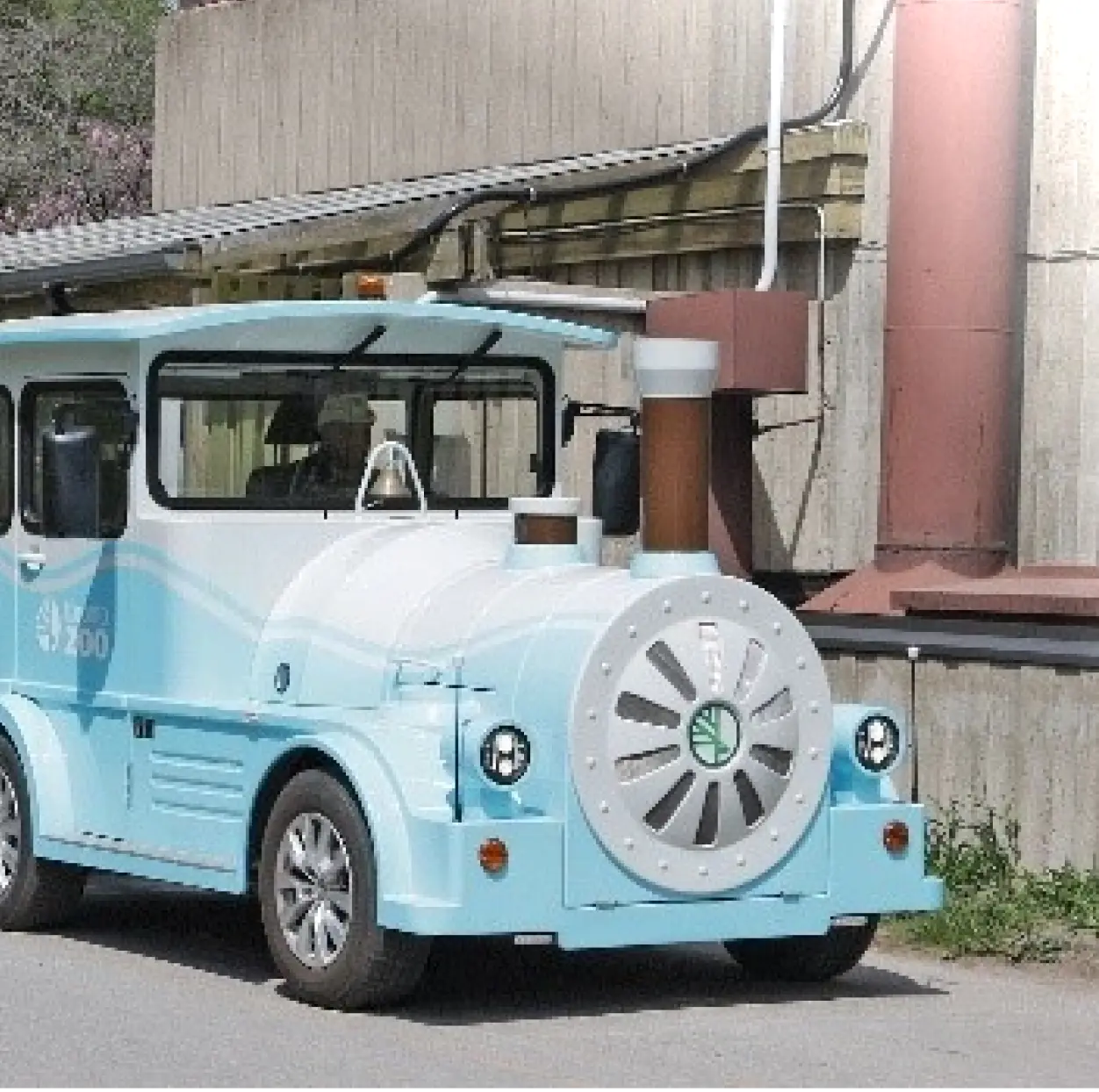
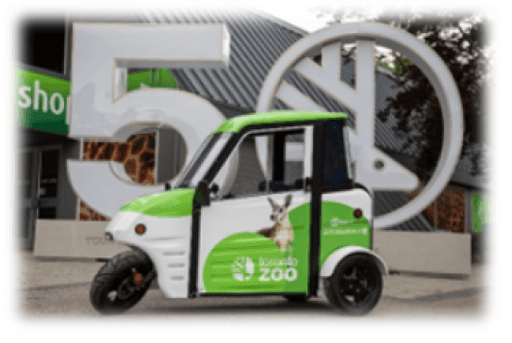
Zoomobile

This special experience provides a personalized tour guide for up to five hours for 2-6 guests via golf cart on their own customized tour featuring behind-the-scenes, private animal interactions and a sit down lunch. * Data for Zoomobile Revenue and Ridership is from April 2023-December 2023.

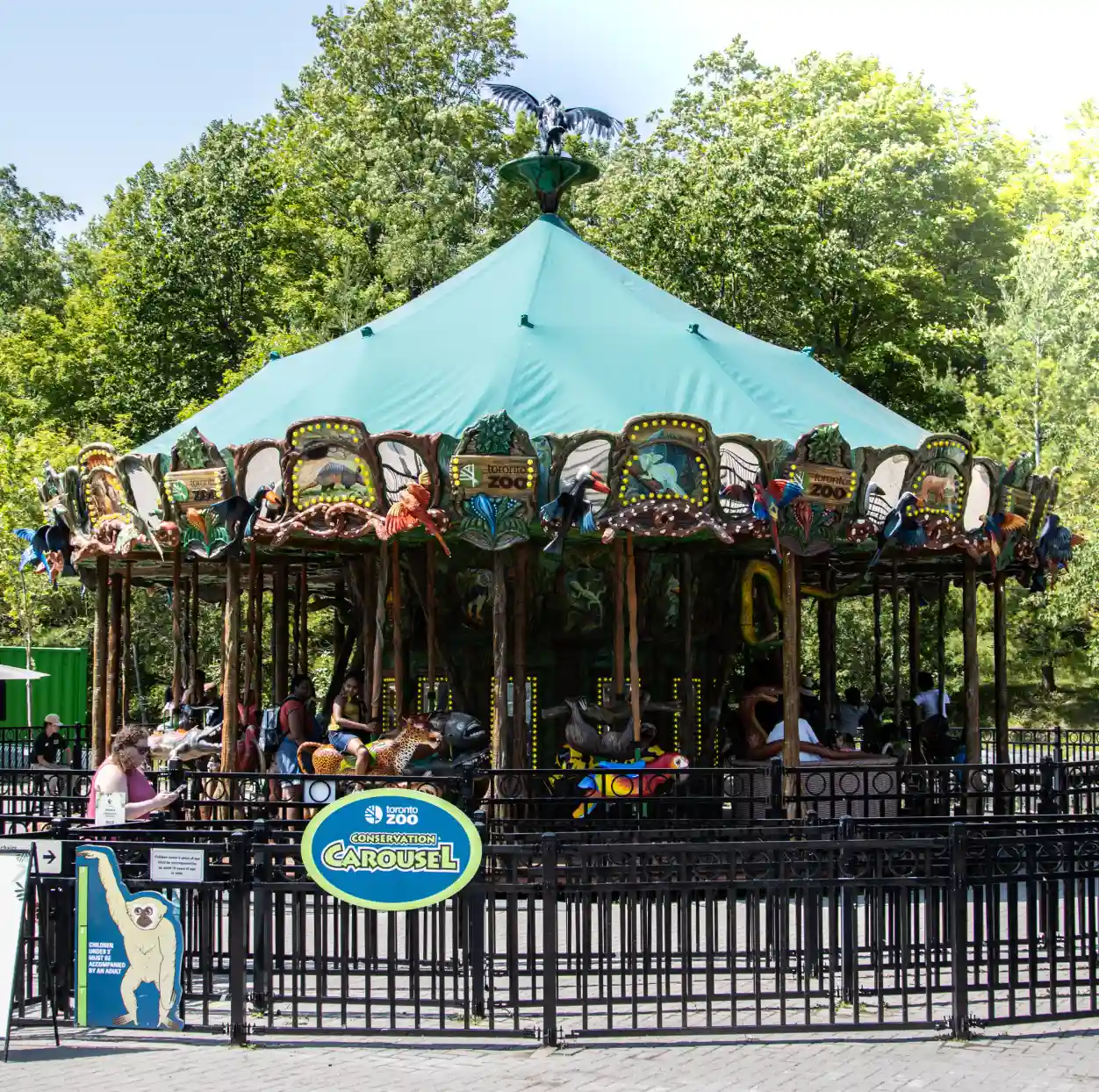
Conservation Carousel

Carousels are timeless and fun for all ages! Enjoy the nostalgia of your childhood on our Conservation Carousel as you hop on, choose a unique animal seat and whirl around on this magical ride!

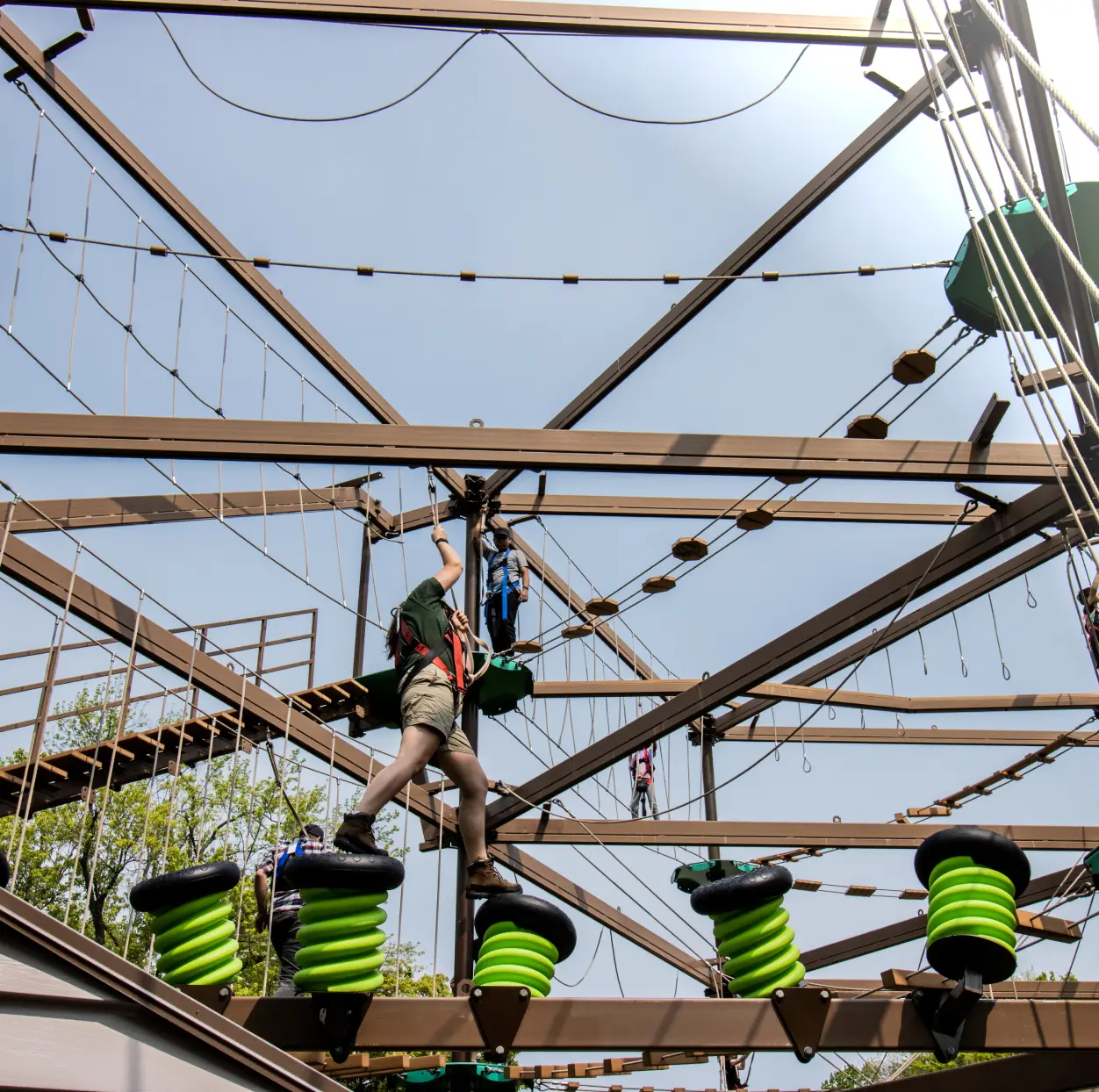
Gorilla Climb Ropes Course

Hang out like Charles and the Western lowland gorilla troop do on the Gorilla Climb Ropes Course. Guests and members will be able to safely swing, crawl and balance while guiding their own path through the almost 33 foot high climb's 26 elements, resulting in a different adventure every time!

TundraAir Ride

Soar through the air on the newest Toronto Zoo ride! Tundra Air Ride goes up to speeds of 48 km/hr, seats 1 or 2 people and takes you to new heights as you fly over the Zoo's award-winning Tundra Trek. This ride is one you will want to experience over and over as it gives you a different view from the top every time with a beautiful panoramic look at the Zoo.

Wild Explorer (VR Theatre)

Opened in August, this fully immersive experience transports viewers from Scarborough to incredible locations around the world. Featuring 360-degree VR films and motion platform seating, it offers a once-in-a-lifetime opportunity to view animals in their natural habitats. Partnering with educational entertainment company IMMOTION, this VR Theatre allows guests to witness the behaviours of amazing animals up close like never before.

Wild Encounters

Our Guest Operations team delivers personalized tours through the Wild Encounter (WE) program which allows for a close connection between our guests and the animals in our care.

VIP Tours

This special experience provides a personalized tour guide for up to five hours for 2-6 guests via golf cart on their own customized tour featuring behind-the-scenes, private animal interactions and a sit down lunch.

Zoomobile

This special experience provides a personalized tour guide for up to five hours for 2-6 guests via golf cart on their own customized tour featuring behind-the-scenes, private animal interactions and a sit down lunch. * Data for Zoomobile Revenue and Ridership is from April 2023-December 2023.

Conservation Carousel

Carousels are timeless and fun for all ages! Enjoy the nostalgia of your childhood on our Conservation Carousel as you hop on, choose a unique animal seat and whirl around on this magical ride!

Gorilla Climb Ropes Course

Hang out like Charles and the Western lowland gorilla troop do on the Gorilla Climb Ropes Course. Guests and members will be able to safely swing, crawl and balance while guiding their own path through the almost 33 foot high climb's 26 elements, resulting in a different adventure every time!

TundraAir Ride

Soar through the air on the newest Toronto Zoo ride! Tundra Air Ride goes up to speeds of 48 km/hr, seats 1 or 2 people and takes you to new heights as you fly over the Zoo's award-winning Tundra Trek. This ride is one you will want to experience over and over as it gives you a different view from the top every time with a beautiful panoramic look at the Zoo.

Wild Explorer (VR Theatre)

Opened in August, this fully immersive experience transports viewers from Scarborough to incredible locations around the world. Featuring 360-degree VR films and motion platform seating, it offers a once-in-a-lifetime opportunity to view animals in their natural habitats. Partnering with educational entertainment company IMMOTION, this VR Theatre allows guests to witness the behaviours of amazing animals up close like never before.

Wild Encounters

Our Guest Operations team delivers personalized tours through the Wild Encounter (WE) program which allows for a close connection between our guests and the animals in our care.

VIP Tours

This special experience provides a personalized tour guide for up to five hours for 2-6 guests via golf cart on their own customized tour featuring behind-the-scenes, private animal interactions and a sit down lunch.

Zoomobile

This special experience provides a personalized tour guide for up to five hours for 2-6 guests via golf cart on their own customized tour featuring behind-the-scenes, private animal interactions and a sit down lunch. * Data for Zoomobile Revenue and Ridership is from April 2023-December 2023.

Conservation Carousel

Carousels are timeless and fun for all ages! Enjoy the nostalgia of your childhood on our Conservation Carousel as you hop on, choose a unique animal seat and whirl around on this magical ride!

Gorilla Climb Ropes Course

Hang out like Charles and the Western lowland gorilla troop do on the Gorilla Climb Ropes Course. Guests and members will be able to safely swing, crawl and balance while guiding their own path through the almost 33 foot high climb's 26 elements, resulting in a different adventure every time!

TundraAir Ride

Soar through the air on the newest Toronto Zoo ride! Tundra Air Ride goes up to speeds of 48 km/hr, seats 1 or 2 people and takes you to new heights as you fly over the Zoo's award-winning Tundra Trek. This ride is one you will want to experience over and over as it gives you a different view from the top every time with a beautiful panoramic look at the Zoo.

$23,084.21

Gross Revenue

​​​5,071​​

guests attended

​​​$382,737.08​​

​​​in 2024 revenue​​

​​​72​

VIP tours

​​​$66,794​​

in 2024 revenue

$1,777,387.68

in 2024 revenue

$411,067.00

Gross Revenue

$118,347.82

Gross Revenue

$401,545.00

Gross Revenue

$23,084.21

Gross Revenue

​​​5,071​​

guests attended

​​​$382,737.08​​

​​​in 2024 revenue​​

​​​72​

VIP tours

​​​$66,794​​

in 2024 revenue

$1,777,387.68

in 2024 revenue

$411,067.00

Gross Revenue

$118,347.82

Gross Revenue

$401,545.00

Gross Revenue

$23,084.21

Gross Revenue

​​​5,071​​

guests attended

​​​$382,737.08​​

​​​in 2024 revenue​​

​​​72​

VIP tours

​​​$66,794​​

in 2024 revenue

$1,777,387.68

in 2024 revenue

$411,067.00

Gross Revenue

$118,347.82

Gross Revenue

$401,545.00

Gross Revenue

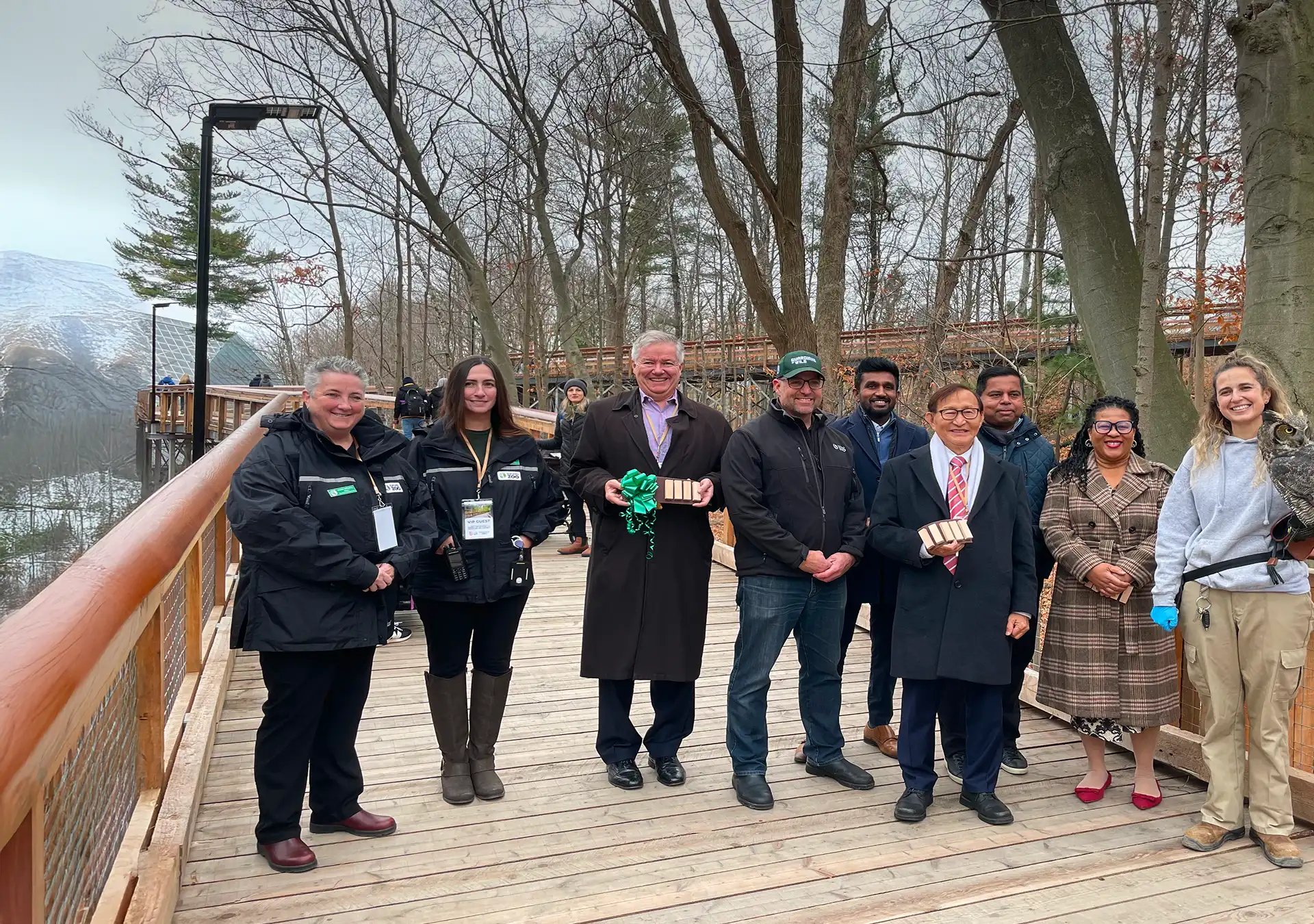
​​​Boardwalks​​

I

​​​n celebration of our 50th anniversary and as part of our commitment to be a Zoo for all, your Toronto Zoo proudly opened two new, fully accessible boardwalks, that provide an immersive connection between the IndoMalaya and Africa zones and the America and Africa zones. These new canopy walks improve accessibility and offer guests stunning views. These boardwalks enhance the zoo experience by enabling guests to explore the beauty of the Carolinian forest from an elevated perspective to better connect with native species of birds such as Cooper’s Hawks and Pileated Woodpeckers, while looking out over Zoo highlights such as the orangutan outdoor towers and the Sumatran tiger habitat.

I

​​​n celebration of our 50th anniversary and as part of our commitment to be a Zoo for all, your Toronto Zoo proudly opened two new, fully accessible boardwalks, that provide an immersive connection between the IndoMalaya and Africa zones and the America and Africa zones. These new canopy walks improve accessibility and offer guests stunning views. These boardwalks enhance the zoo experience by enabling guests to explore the beauty of the Carolinian forest from an elevated perspective to better connect with native species of birds such as Cooper’s Hawks and Pileated Woodpeckers, while looking out over Zoo highlights such as the orangutan outdoor towers and the Sumatran tiger habitat.

I

​​​n celebration of our 50th anniversary and as part of our commitment to be a Zoo for all, your Toronto Zoo proudly opened two new, fully accessible boardwalks, that provide an immersive connection between the IndoMalaya and Africa zones and the America and Africa zones. These new canopy walks improve accessibility and offer guests stunning views. These boardwalks enhance the zoo experience by enabling guests to explore the beauty of the Carolinian forest from an elevated perspective to better connect with native species of birds such as Cooper’s Hawks and Pileated Woodpeckers, while looking out over Zoo highlights such as the orangutan outdoor towers and the Sumatran tiger habitat.

​Through the Investing in Canada Infrastructure Program (ICIP)’s Community, Culture and Recreation Stream, the Government of Canada invested $2,950,000, the Government of Ontario invested $2,458,088 and the City of Toronto invested $2,900,000 towards these projects. These boardwalks are part of a series of upgrades aimed at improving accessibility and enhancing the Zoo’s guest experience.

Built with sustainable materials, the new boardwalks replace aging infrastructure that was challenging for guests to navigate due to steep

grades. Now, guests of all abilities can enjoy a smooth, accessible path through one of the Zoo’s most scenic areas, fulfilling a decades-long vision of making the Toronto Zoo’s natural landscapes and environmentally significant areas more accessible to everyone.

Your Toronto Zoo is proud to dedicate one of these beautiful and accessible boardwalks in honour of the incredible life and legacy of David C. Onley, Ontario's 28th Lieutenant Governor.

David C. Onley's story is not just one of adversity, but one of his great accomplishment as a trailblazer. As Ontario's first Lt. Gov., with a physical disability, he adopted accessibility as the overarching theme of his mandate. He defined accessibility as "that which enables people to achieve their full potential", believing that true accessibility occurs when disabled people can fully participate in the social, cultural and economic life of Ontario.

​David and his wife Ruth Ann raised their three sons in Scarborough, just a short distance from the Toronto Zoo and enjoyed many visits here. This boardwalk will serve as a constant reminder to Zoo staff, volunteers and guests about the importance of ensuring accessibility for all.

​​​30th Community Blooms Program​​

Y

our  Toronto Zoo’s horticulture team participated in the 30th Edition of Communities in Bloom—judged within the “Special Attractions Evaluated” category. Communities in Bloom is a Canadian non-profit volunteer and partnership-driven organization that uses a multi-tiered competitive evaluation process to foster community strength, involvement, and continuous improvement. This is accomplished by nurturing environmental sustainability, enhancements of green spaces, and heritage conservation in cultural and natural environments encompassing municipal, residential, commercial, and institutional spaces.

Y

our  Toronto Zoo’s horticulture team participated in the 30th Edition of Communities in Bloom—judged within the “Special Attractions Evaluated” category. Communities in Bloom is a Canadian non-profit volunteer and partnership-driven organization that uses a multi-tiered competitive evaluation process to foster community strength, involvement, and continuous improvement. This is accomplished by nurturing environmental sustainability, enhancements of green spaces, and heritage conservation in cultural and natural environments encompassing municipal, residential, commercial, and institutional spaces.

Y

our  Toronto Zoo’s horticulture team participated in the 30th Edition of Communities in Bloom—judged within the “Special Attractions Evaluated” category. Communities in Bloom is a Canadian non-profit volunteer and partnership-driven organization that uses a multi-tiered competitive evaluation process to foster community strength, involvement, and continuous improvement. This is accomplished by nurturing environmental sustainability, enhancements of green spaces, and heritage conservation in cultural and natural environments encompassing municipal, residential, commercial, and institutional spaces.

We were honoured to welcome two judges from Communities in Bloom—Collectivités en fleurs who spent time understanding how profoundly rich and beautiful our Zoo is—from plants in the newly renovated greenhouse and garden beds on site to team members in other areas who are Guardians and change makers for our environment in great ways.

The collective efforts of every team member here at your Zoo continues to go a long way in ensuring that we live in a world where wildlife and wild spaces thrive.

Veterinary Conference – Zoo Day

Y

our Toronto Zoo was pleased to welcome the 2024 joint conference of the American Association of Zoo Veterinarians (AAZV) and the European Association of Zoo and Wildlife Veterinarians (EAZWV)!

Y

our Toronto Zoo was pleased to welcome the 2024 joint conference of the American Association of Zoo Veterinarians (AAZV) and the European Association of Zoo and Wildlife Veterinarians (EAZWV)!

Y

our Toronto Zoo was pleased to welcome the 2024 joint conference of the American Association of Zoo Veterinarians (AAZV) and the European Association of Zoo and Wildlife Veterinarians (EAZWV)!

This annual conference brought together zoo and wildlife professionals from all over the world who shared their knowledge and best practices from the veterinary field. Delegates also had the opportunity to take part in practical workshops.

Leading Wildlife Science staff from your Zoo hosted two workshops that explored “Biobanking Tools for Wildlife Conservation” and “Browse Silage: An Approach for Browse Preservation.” These workshops looked at:

  • Providing theoretical and practical training for genetic resource banking of wild species

  • Outlining the potential of biobanking living cells for biodiversity conservation as well as the disease implications

  • Training participants on basic sperm and oocyte evaluation including viability, morphology and membrane integrity  

  • Providing knowledge and tools required to participate in gamete biobanking projects with the goal of reducing biodiversity loss

We were proud to host nearly 600 veterinarians to your Zoo, as they got to see first-hand the incredible work that is done daily within the Wildlife Health and Science Centre—all in support of your 3,000+ animals.

Telling our Stories

Telling our Stories

Your Toronto Zoo in Your Pocket

A

s part of our 50th anniversary celebrations we were excited to launch our new Toronto Zoo Experience App! Working with our partners at Cinchio Solutions, LLC we created a new way for guests to plan and enjoy their visit, learn more about their favourite animals, and navigate their way around 10kms of walking trails and 5 tropical pavilions.

A

s part of our 50th anniversary celebrations we were excited to launch our new Toronto Zoo Experience App! Working with our partners at Cinchio Solutions, LLC we created a new way for guests to plan and enjoy their visit, learn more about their favourite animals, and navigate their way around 10kms of walking trails and 5 tropical pavilions.

A

s part of our 50th anniversary celebrations we were excited to launch our new Toronto Zoo Experience App! Working with our partners at Cinchio Solutions, LLC we created a new way for guests to plan and enjoy their visit, learn more about their favourite animals, and navigate their way around 10kms of walking trails and 5 tropical pavilions.

We are always looking for ways to deepen our connections with guests and make their visit memorable and impactful. The app has been designed to connect people, animals and

conservation science through the digital world and encourage them to explore and protect wild spaces and wild species.

Since opening in 1974, close to 60 million guests have visited our beloved Toronto Zoo! Incredibly, millions more from around the world have digitally engaged with the Zoo, making it one of the most popular zoo social media accounts. The new Toronto Zoo Experience App will further this digital reach, encouraging guests on site as well as those looking to learn more about the animals in our care to become Guardians of Wild
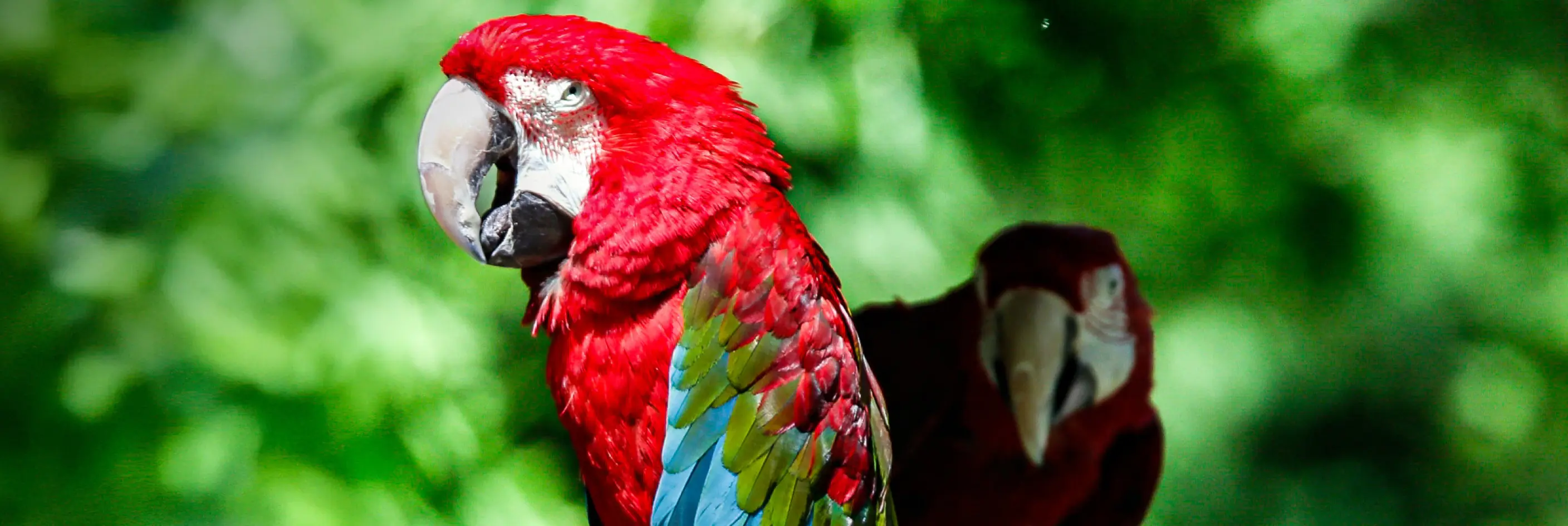
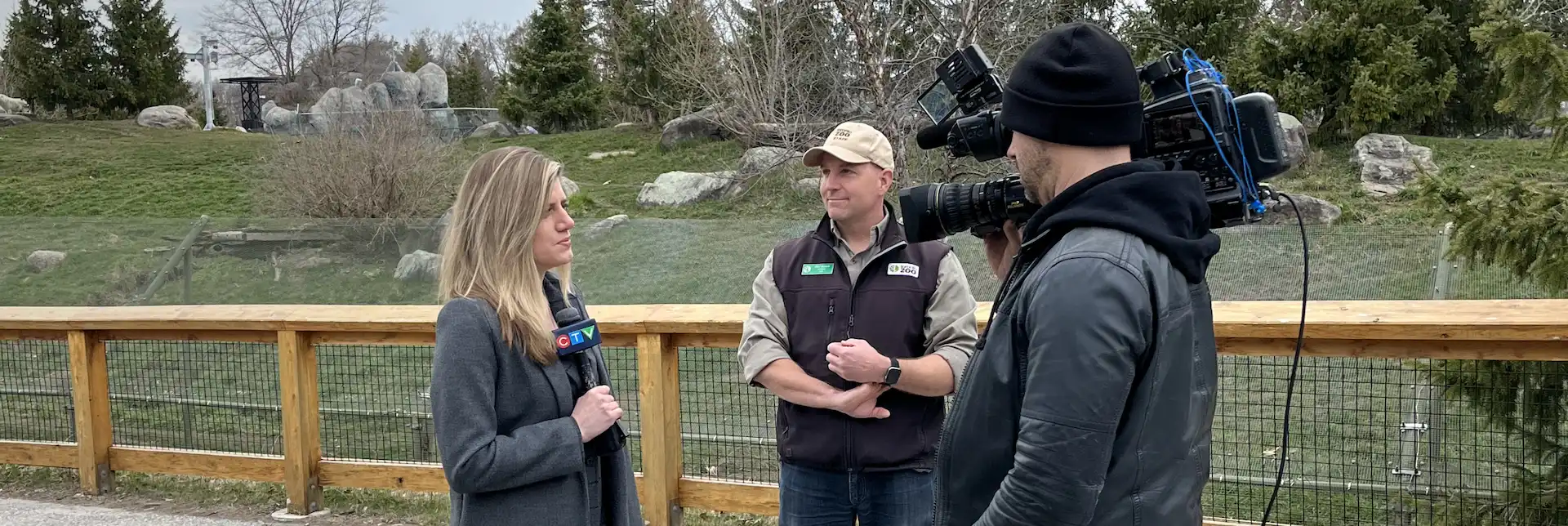
Communication, by the Numbers

Media

Social Media

114 M+

social media impressions

5.4 M

people engaged through social media

93,300+

new followers/fans

46 M+

video views

#1

for Facebook engagement for G5/Canada equivalent attractions and organizations

27.44 B

Aggregate readership (Global)

$53.67 M

Advertising equivalency

16,700+

News media mentions

Communication, by the Numbers

Media

Social Media

114 M+

social media impressions

5.4 M

people engaged through social media

93,300+

new followers/fans

46 M+

video views

#1

for Facebook engagement for G5/Canada equivalent attractions and organizations

27.44 B

Aggregate readership (Global)

$53.67 M

Advertising equivalency

16,700+

News media mentions

Communication, by the Numbers

Media

Social Media

114 M+

social media impressions

5.4 M

people engaged through social media

93,300+

new followers/fans

46 M+

video views

#1

for Facebook engagement for G5/Canada equivalent attractions and organizations

27.44 B

Aggregate readership (Global)

$53.67 M

Advertising equivalency

16,700+

News media mentions

Learning & Engagement

Learning & Engagement

Learning and Engagement

T

he programs and experiences offered by the Learning & Engagement Branch in 2024 built upon the growing successes of previous years and were designed to support and deliver on the Zoo’s strategic plan. Through our programs we make meaningful connections with audiences of all ages, increasing science and conservation literacy through presentations and activities, while connecting our guests to the important scientific work happening at the Zoo through fun and engaging experiences.

T

he programs and experiences offered by the Learning & Engagement Branch in 2024 built upon the growing successes of previous years and were designed to support and deliver on the Zoo’s strategic plan. Through our programs we make meaningful connections with audiences of all ages, increasing science and conservation literacy through presentations and activities, while connecting our guests to the important scientific work happening at the Zoo through fun and engaging experiences.

T

he programs and experiences offered by the Learning & Engagement Branch in 2024 built upon the growing successes of previous years and were designed to support and deliver on the Zoo’s strategic plan. Through our programs we make meaningful connections with audiences of all ages, increasing science and conservation literacy through presentations and activities, while connecting our guests to the important scientific work happening at the Zoo through fun and engaging experiences.

In 2024, through the combined programs offered, the Learning & Engagement Branch connected with 25,685 participants generating $1.519 million in revenue, which is the most successful year to date!

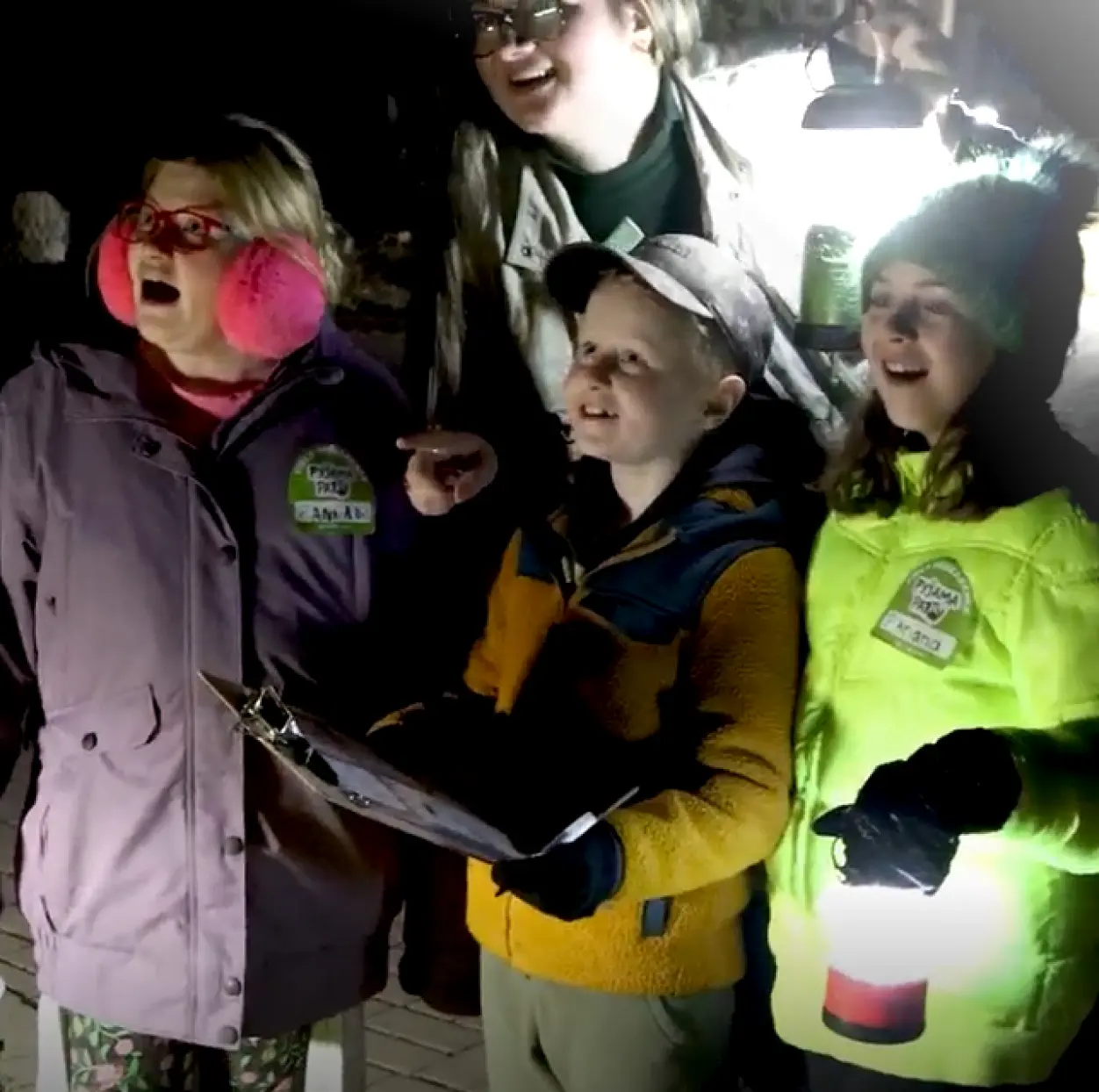
​​​​​​​​​From Science Communication to Science Training & Skills

2024 saw an evolution from science communication to an increase in science skills and training. In May, we partnered with a professor from the University of Guelph who is also the Director of Planet Madagascar, to provide a three-day Field School at the Zoo. This program involved teaching graduate-level university students how to complete science research in the wild, including methods on surveying wildlife both terrestrially and in the tree canopy, use of dichotomous keys, and animal behavioural studies / ethograms, while also making connections to the Zoo’s science programs and staff and the One Health approach.

Pyjama Party overnight program

Our Pyjama Party overnight program underwent a major redesign to create a new focus where the participants play the role of field researchers as they enjoy hands-on activities while connecting with nocturnal wildlife. In 2024, we welcomed almost 800 youth to this program, generating $64,671 in revenue, which is nearly a 100% increase from the previous year.

Zoo Camp

Zoo Camp continued to experience exceptional registration success with parents/guardians securing camp week(s) for their children and selling out the experience in under the first hour of opening! Zoo Camp connected with 1,757 children and generated over $700,000 in revenue during the summer of 2024. In July, Zoo Camp underwent an accreditation review through the Ontario Camps Association, an organization that sets over 200 standards with respect to administration, health, safety, and programming. In November, the Zoo received notification of our successful review, achieving accreditation for the next four years.

A Zoo for All—Serving Underrepresented Communities

In 2024, we hosted 8 paid interns for a 12-week experience, two student interns through a new partnership with the Toronto and District School Board (TDSB) Indigenous Summer Leadership Program, and additionally two interns through a partnership with JVS Toronto. Through our participation in the TDSB’s Model Schools program, which offers discounted admission for students and their family members, 9,218 individuals were able to experience our Zoo and share an enriching learning opportunity together. This past summer we also hosted 140 students from Visions of Science STEM camps where they participated in specialized programming and tours.

Connecting all Audiences

In 2024, we provided a variety of adult learning experiences including a Valetine’s dinner and program focused on group versus solitary wildlife reproductive behavioural strategies, which was in conjunction with the Reproductive Sciences team at the Zoo. In collaboration with the Toronto Zoo Native Bat Conservation team, we connected with adult audiences to share knowledge and increase appreciation for the Zoo’s research and conservation efforts for local bat species. Additionally, we hosted an evening educating adult guests about the Zoo’s and Planet Madagascar’s collaborative lemur conservation efforts.

Serengeti Bush Camp

In 2024, we continued to implement projects providing site enhancements to improve the guest experience and expanded our retail operation at the campsite with new merchandise that alone generated $17,879 in revenue. Overall, the Bush Camp program welcomed 4,507 guests and generated $538,527 in revenue in 2024.

Centennial College Partner of the Year Award

This year Centennial College unveiled its first-ever Partner Appreciation Awards, which recognize Centennial’s invaluable industry and community partners for their exceptional support in helping students achieve academic and career success. Nominees were scored on their impact, innovation and dedication to students. We were honoured to receive the inaugural Long-Standing Partner Award, which reflects the strength and value of our partnership over the years.

​​​​​​​​​From Science Communication to Science Training & Skills

2024 saw an evolution from science communication to an increase in science skills and training. In May, we partnered with a professor from the University of Guelph who is also the Director of Planet Madagascar, to provide a three-day Field School at the Zoo. This program involved teaching graduate-level university students how to complete science research in the wild, including methods on surveying wildlife both terrestrially and in the tree canopy, use of dichotomous keys, and animal behavioural studies / ethograms, while also making connections to the Zoo’s science programs and staff and the One Health approach.

Pyjama Party overnight program

Our Pyjama Party overnight program underwent a major redesign to create a new focus where the participants play the role of field researchers as they enjoy hands-on activities while connecting with nocturnal wildlife. In 2024, we welcomed almost 800 youth to this program, generating $64,671 in revenue, which is nearly a 100% increase from the previous year.

Zoo Camp

Zoo Camp continued to experience exceptional registration success with parents/guardians securing camp week(s) for their children and selling out the experience in under the first hour of opening! Zoo Camp connected with 1,757 children and generated over $700,000 in revenue during the summer of 2024. In July, Zoo Camp underwent an accreditation review through the Ontario Camps Association, an organization that sets over 200 standards with respect to administration, health, safety, and programming. In November, the Zoo received notification of our successful review, achieving accreditation for the next four years.

A Zoo for All—Serving Underrepresented Communities

In 2024, we hosted 8 paid interns for a 12-week experience, two student interns through a new partnership with the Toronto and District School Board (TDSB) Indigenous Summer Leadership Program, and additionally two interns through a partnership with JVS Toronto. Through our participation in the TDSB’s Model Schools program, which offers discounted admission for students and their family members, 9,218 individuals were able to experience our Zoo and share an enriching learning opportunity together. This past summer we also hosted 140 students from Visions of Science STEM camps where they participated in specialized programming and tours.

Connecting all Audiences

In 2024, we provided a variety of adult learning experiences including a Valetine’s dinner and program focused on group versus solitary wildlife reproductive behavioural strategies, which was in conjunction with the Reproductive Sciences team at the Zoo. In collaboration with the Toronto Zoo Native Bat Conservation team, we connected with adult audiences to share knowledge and increase appreciation for the Zoo’s research and conservation efforts for local bat species. Additionally, we hosted an evening educating adult guests about the Zoo’s and Planet Madagascar’s collaborative lemur conservation efforts.

Serengeti Bush Camp

In 2024, we continued to implement projects providing site enhancements to improve the guest experience and expanded our retail operation at the campsite with new merchandise that alone generated $17,879 in revenue. Overall, the Bush Camp program welcomed 4,507 guests and generated $538,527 in revenue in 2024.

​​​​​​​​​From Science Communication to Science Training & Skills

2024 saw an evolution from science communication to an increase in science skills and training. In May, we partnered with a professor from the University of Guelph who is also the Director of Planet Madagascar, to provide a three-day Field School at the Zoo. This program involved teaching graduate-level university students how to complete science research in the wild, including methods on surveying wildlife both terrestrially and in the tree canopy, use of dichotomous keys, and animal behavioural studies / ethograms, while also making connections to the Zoo’s science programs and staff and the One Health approach.

Pyjama Party overnight program

Our Pyjama Party overnight program underwent a major redesign to create a new focus where the participants play the role of field researchers as they enjoy hands-on activities while connecting with nocturnal wildlife. In 2024, we welcomed almost 800 youth to this program, generating $64,671 in revenue, which is nearly a 100% increase from the previous year.

Zoo Cam

Zoo Camp continued to experience exceptional registration success with parents/guardians securing camp week(s) for their children and selling out the experience in under the first hour of opening! Zoo Camp connected with 1,757 children and generated over $700,000 in revenue during the summer of 2024. In July, Zoo Camp underwent an accreditation review through the Ontario Camps Association, an organization that sets over 200 standards with respect to administration, health, safety, and programming. In November, the Zoo received notification of our successful review, achieving accreditation for the next four years.

A Zoo for All—Serving Underrepresented Communities

In 2024, we hosted 8 paid interns for a 12-week experience, two student interns through a new partnership with the Toronto and District School Board (TDSB) Indigenous Summer Leadership Program, and additionally two interns through a partnership with JVS Toronto. Through our participation in the TDSB’s Model Schools program, which offers discounted admission for students and their family members, 9,218 individuals were able to experience our Zoo and share an enriching learning opportunity together. This past summer we also hosted 140 students from Visions of Science STEM camps where they participated in specialized programming and tours.

Connecting all Audiences

In 2024, we provided a variety of adult learning experiences including a Valetine’s dinner and program focused on group versus solitary wildlife reproductive behavioural strategies, which was in conjunction with the Reproductive Sciences team at the Zoo. In collaboration with the Toronto Zoo Native Bat Conservation team, we connected with adult audiences to share knowledge and increase appreciation for the Zoo’s research and conservation efforts for local bat species. Additionally, we hosted an evening educating adult guests about the Zoo’s and Planet Madagascar’s collaborative lemur conservation efforts.

Serengeti Bush Camp

In 2024, we continued to implement projects providing site enhancements to improve the guest experience and expanded our retail operation at the campsite with new merchandise that alone generated $17,879 in revenue. Overall, the Bush Camp program welcomed 4,507 guests and generated $538,527 in revenue in 2024.

Centennial College Partner of the Year Award

This year Centennial College unveiled its first-ever Partner Appreciation Awards, which recognize Centennial’s invaluable industry and community partners for their exceptional support in helping students achieve academic and career success. Nominees were scored on their impact, innovation and dedication to students. We were honoured to receive the inaugural Long-Standing Partner Award, which reflects the strength and value of our partnership over the years.

Volunteers, by the Numbers

In 2024, we recorded the highest number of Volunteer hours and contacts in the history of the program!

249

Year-round volunteers

54

Zoo Ambassador Student Volunteers

55

Seasonal Volunteers
(28 Summer + 19 Wildlife Health Centre)

44,129

Hours donated

1,350,104

est. people reached

Volunteers, by the Numbers

In 2024, we recorded the highest number of Volunteer hours and contacts in the history of the program!

249

Year-round volunteers

54

Zoo Ambassador Student Volunteers

55

Seasonal Volunteers
(28 Summer + 19 Wildlife Health Centre)

44,129

Hours donated

1,350,104

est. people reached

Volunteers, by the Numbers

In 2024, we recorded the highest number of Volunteer hours and contacts in the history of the program!

249

Year-round volunteers

54

Zoo Ambassador Student Volunteers

55

Seasonal Volunteers
(28 Summer + 19 Wildlife Health Centre)

44,129

Hours donated

1,350,104

est. people reached

Sustainability Wins

Sustainability Wins

Sustainability Wins

A

s Your Toronto Zoo marked its 50th anniversary, it accelerated its leadership in conservation-focused environmental sustainability. Grounded in science-based targets and driven by its ambitious TZNet0 Environmental Sustainability Plan, Your Zoo made transformative strides in energy efficiency, waste reduction, water conservation, biodiversity restoration, and community engagement. With a firm commitment to achieving net-zero greenhouse gas (GHG) emissions for Scope 1 and 2 by 2030, and expanding Scope 3 reduction strategies through 2040, Your Zoo’s strategic initiatives are aligned with both municipal TransformTO objectives and national climate action frameworks. These actions reinforce its position as an industry leader in conservation, sustainability, and the tourism sector.

A

s Your Toronto Zoo marked its 50th anniversary, it accelerated its leadership in conservation-focused environmental sustainability. Grounded in science-based targets and driven by its ambitious TZNet0 Environmental Sustainability Plan, Your Zoo made transformative strides in energy efficiency, waste reduction, water conservation, biodiversity restoration, and community engagement. With a firm commitment to achieving net-zero greenhouse gas (GHG) emissions for Scope 1 and 2 by 2030, and expanding Scope 3 reduction strategies through 2040, Your Zoo’s strategic initiatives are aligned with both municipal TransformTO objectives and national climate action frameworks. These actions reinforce its position as an industry leader in conservation, sustainability, and the tourism sector.

A

s Your Toronto Zoo marked its 50th anniversary, it accelerated its leadership in conservation-focused environmental sustainability. Grounded in science-based targets and driven by its ambitious TZNet0 Environmental Sustainability Plan, Your Zoo made transformative strides in energy efficiency, waste reduction, water conservation, biodiversity restoration, and community engagement. With a firm commitment to achieving net-zero greenhouse gas (GHG) emissions for Scope 1 and 2 by 2030, and expanding Scope 3 reduction strategies through 2040, Your Zoo’s strategic initiatives are aligned with both municipal TransformTO objectives and national climate action frameworks. These actions reinforce its position as an industry leader in conservation, sustainability, and the tourism sector.

In 2024, Your Zoo integrated innovative green infrastructure, progressive policies, and strategic partnerships to address climate change, protect biodiversity, and foster climate resilience. From energy-efficient retrofits and renewable energy adoption to zero-waste dining and community-driven habitat restoration, Your Zoo continues to demonstrate that conservation-focused institutions can drive measurable environmental outcomes.

​​​​​​​Newly Renovated Greenhouse

W

e proudly unveiled the completion of a transformative greenhouse renovation project. The finished project has improved guest experience, enhanced conservation messaging, advanced our sustainability efforts and is fully accessible.

W

e proudly unveiled the completion of a transformative greenhouse renovation project. The finished project has improved guest experience, enhanced conservation messaging, advanced our sustainability efforts and is fully accessible.

W

e proudly unveiled the completion of a transformative greenhouse renovation project. The finished project has improved guest experience, enhanced conservation messaging, advanced our sustainability efforts and is fully accessible.

Previously, only one section of the greenhouse was open to Zoo guests, while the others were used for production purposes only. The newly renovated greenhouse features immersive botanical displays across interconnected houses, each dedicated to different botanical zones. This reimagined space creates engaging and educational experiences for guests while improving the welfare of the Zoo's plant collection.

The renovation project, made possible by the Tourism Relief Fund (TRF) and Canada Community Revitalization Fund (CCRF), sought to showcase the Zoo's diverse plant collection year-round.

The deteriorating condition of the greenhouse's roof prompted the need for renovation, which ultimately transformed the space into a conservatory-style botanical collection. Key improvements include the installation of higher R-value insulation for improved heating efficiency during Canada's long winter season, as well as the implementation of a new automated computer system to control various environmental aspects of the greenhouse.

One of the highlights of the renovated greenhouse is its role in supporting ongoing renovations and transitions within zoo habitats and exhibits. By providing suitable plants for different animal habitats, the greenhouse ensures authenticity for the animals while enhancing the overall guest experience. Additionally, the greenhouse accommodates the seasonal nature of certain display items, such as orchids that bloom periodically, contributing to our conservation messaging.

In addition to enhancing the guest experience and conservation efforts, the renovated greenhouse plays a crucial role in your Toronto Zoo's sustainability initiatives. By facilitating propagation and production for Pavilion spaces, the greenhouse allows the zoo to grow its own plants rather than importing them, aligning with the zoo's core values of conservation and sustainability. Additionally, the greenhouse now uses rainwater collected from its roof via a cistern system, promoting environmental sustainability and providing a pure water source beneficial for sensitive plants like orchids.


Our people

Igniting the passion

Our people

Igniting the passion

Employees, by the Numbers

Non-permanent
new hires

 FTEs permanent

 FTEs non-permanent

Permanent new hires

In total we had

717

 employees for 2024.

In 2024 we had

159

 FTEs non-permanent

In 2024 we had

302

 FTEs permanent

In 2024 we had

461

 FTEs in total

In 2024 we had

58

permanent new hires

201

non-permanent new hires

In 2024 we had

259

new hires

Employees, by the Numbers

Non-permanent
new hires

 FTEs permanent

 FTEs non-permanent

Permanent new hires

In total we had

717

 employees for 2024.

In 2024 we had

159

 FTEs non-permanent

In 2024 we had

302

 FTEs permanent

In 2024 we had

461

 FTEs in total

In 2024 we had

58

permanent new hires

201

non-permanent new hires

In 2024 we had

259

new hires

Employees, by the Numbers

Non-permanent
new hires

 FTEs permanent

 FTEs non-permanent

Permanent new hires

In total we had

717

 employees for 2024.

In 2024 we had

159

 FTEs non-permanent

In 2024 we had

302

 FTEs permanent

In 2024 we had

461

 FTEs in total

In 2024 we had

58

permanent new hires

201

non-permanent new hires

In 2024 we had

259

new hires

Growing and learning

T

his year, our Toronto Zoo proudly upheld its position as one of the GTA’s Top Employers. The Zoo strengthened its commitment to Equity, Diversity, Inclusion, and Accessibility (EDIA), offering regular information sessions to staff and forging community partnerships through events like the Breaking Barriers, YWCA & Prince’s Trust Canada Job Readiness Events.

T

his year, our Toronto Zoo proudly upheld its position as one of the GTA’s Top Employers. The Zoo strengthened its commitment to Equity, Diversity, Inclusion, and Accessibility (EDIA), offering regular information sessions to staff and forging community partnerships through events like the Breaking Barriers, YWCA & Prince’s Trust Canada Job Readiness Events.

T

his year, our Toronto Zoo proudly upheld its position as one of the GTA’s Top Employers. The Zoo strengthened its commitment to Equity, Diversity, Inclusion, and Accessibility (EDIA), offering regular information sessions to staff and forging community partnerships through events like the Breaking Barriers, YWCA & Prince’s Trust Canada Job Readiness Events.

We further demonstrated its commitment to employee well-being with the launch of its wellness program, "1TZ Cares." This comprehensive program integrates existing wellness efforts with new initiatives, enhancing holistic well-being of our employees, promoting a positive workplace culture.

In support of employee recognition, the Toronto Zoo launched—Zoodos! (a WorkTango tool), an employee recognition and rewards platform, which has seen high engagement from staff.

Additionally, the Zoo continues to provide extensive opportunities for professional development through lunch and learns and thousands of online courses available via LinkedIn Learning. To foster an environment of continuous learning, we launched 1TZ Learns, which is an internal platform for the Zoo staff housing learning resources and educational courses. Our goal with our ongoing efforts is to enhance skill-building, strengthen workplace culture, reinforce employee pride and continue to connect to our community.

Together, these initiatives have enhanced skill-building and strengthened the Zoo’s commitment to fostering a positive, growth-focused workplace culture for all staff members—based on employee engagement metrics our programs continue to help us build a positive culture.


Dolf DeJong, CEO Canadian Committee for the International Union for Conservation of Nature

In March, Dolf DeJong, CEO Toronto Zoo, was elected Vice President of the Canadian Committee for the International Union for Conservation of Nature (CCIUCN). Created in 1948, IUCN is now the world’s largest and most diverse environmental network, harnessing the knowledge, resources and reach of our more than 1,400 Member organizations and 15,000 experts. This diversity and expertise makes IUNC the global authority on the status of the natural world and the measures needed to safeguard it.

Dr. Gabriela Mastromonaco, Senior Director of Wildlife Science Nominated—Indianapolis Prize

Your Toronto Zoo was thrilled to announce that Dr. Gabriela Mastromonaco, Senior Director of Wildlife Science and a world-renowned reproductive scientist, has been nominated for the prestigious Indianapolis Prize, often referred to as the "Nobel Prize for animal conservation." This recognition is a testament to Dr. Mastromonaco’s groundbreaking contributions to wildlife conservation through her leadership of Canada’s most diverse living cell bank.

Jennifer Franks, Director of Indigenous Relations— Blooloop

Jennifer Franks, Director of Indigenous Relations, Toronto Zoo, was recognized on the Blooloop Zoo & Aquarium Top 50 Influencer list for 2024. This list celebrates the work of 50 key individuals whose creativity, passion and drive have helped shape and improve the attractions industry. Jennifer Franks began her role at Toronto Zoo in 2022 and remains the only Director of Indigenous Relations in any zoo in North America. We are grateful for her leadership as we work to support the truth and reconciliation calls to action and serve traditional territory holders and urban Indigenous community members.

Toronto Zoo reaches 100th Scientific Publication

Your Toronto Zoo's Reproductive Sciences program is committed to enhancing scientific understanding of natural and assisted reproduction of threatened species locally and worldwide. Sharing our research findings through publication is essential for disseminating knowledge, informing conservation efforts, and supporting initiatives to prevent species extinction.

Dolf DeJong, CEO Canadian Committee for the International Union for Conservation of Nature

In March, Dolf DeJong, CEO Toronto Zoo, was elected Vice President of the Canadian Committee for the International Union for Conservation of Nature (CCIUCN). Created in 1948, IUCN is now the world’s largest and most diverse environmental network, harnessing the knowledge, resources and reach of our more than 1,400 Member organizations and 15,000 experts. This diversity and expertise makes IUNC the global authority on the status of the natural world and the measures needed to safeguard it.

Dr. Gabriela Mastromonaco, Senior Director of Wildlife Science Nominated—Indianapolis Prize

Your Toronto Zoo was thrilled to announce that Dr. Gabriela Mastromonaco, Senior Director of Wildlife Science and a world-renowned reproductive scientist, has been nominated for the prestigious Indianapolis Prize, often referred to as the "Nobel Prize for animal conservation." This recognition is a testament to Dr. Mastromonaco’s groundbreaking contributions to wildlife conservation through her leadership of Canada’s most diverse living cell bank.

Jennifer Franks, Director of Indigenous Relations— Blooloop

Jennifer Franks, Director of Indigenous Relations, Toronto Zoo, was recognized on the Blooloop Zoo & Aquarium Top 50 Influencer list for 2024. This list celebrates the work of 50 key individuals whose creativity, passion and drive have helped shape and improve the attractions industry. Jennifer Franks began her role at Toronto Zoo in 2022 and remains the only Director of Indigenous Relations in any zoo in North America. We are grateful for her leadership as we work to support the truth and reconciliation calls to action and serve traditional territory holders and urban Indigenous community members.

Toronto Zoo reaches 100th Scientific Publication

Your Toronto Zoo's Reproductive Sciences program is committed to enhancing scientific understanding of natural and assisted reproduction of threatened species locally and worldwide. Sharing our research findings through publication is essential for disseminating knowledge, informing conservation efforts, and supporting initiatives to prevent species extinction.

Dolf DeJong, CEO Canadian Committee for the International Union for Conservation of Nature

In March, Dolf DeJong, CEO Toronto Zoo, was elected Vice President of the Canadian Committee for the International Union for Conservation of Nature (CCIUCN). Created in 1948, IUCN is now the world’s largest and most diverse environmental network, harnessing the knowledge, resources and reach of our more than 1,400 Member organizations and 15,000 experts. This diversity and expertise makes IUNC the global authority on the status of the natural world and the measures needed to safeguard it.

Dr. Gabriela Mastromonaco, Senior Director of Wildlife Science Nominated—Indianapolis Prize

Your Toronto Zoo was thrilled to announce that Dr. Gabriela Mastromonaco, Senior Director of Wildlife Science and a world-renowned reproductive scientist, has been nominated for the prestigious Indianapolis Prize, often referred to as the "Nobel Prize for animal conservation." This recognition is a testament to Dr. Mastromonaco’s groundbreaking contributions to wildlife conservation through her leadership of Canada’s most diverse living cell bank.

Jennifer Franks, Director of Indigenous Relations Blooloop

Jennifer Franks, Director of Indigenous Relations, Toronto Zoo, was recognized on the Blooloop Zoo & Aquarium Top 50 Influencer list for 2024. This list celebrates the work of 50 key individuals whose creativity, passion and drive have helped shape and improve the attractions industry. Jennifer Franks began her role at Toronto Zoo in 2022 and remains the only Director of Indigenous Relations in any zoo in North America. We are grateful for her leadership as we work to support the truth and reconciliation calls to action and serve traditional territory holders and urban Indigenous community members.

Toronto Zoo reaches 100th Scientific Publication

Your Toronto Zoo's Reproductive Sciences program is committed to enhancing scientific understanding of natural and assisted reproduction of threatened species locally and worldwide. Sharing our research findings through publication is essential for disseminating knowledge, informing conservation efforts, and supporting initiatives to prevent species extinction.

Toronto Zoo by the Numbers

Toronto Zoo by the Numbers

BOARD OF MANAGEMENT OF THE TORONTO ZOO

Statement of Operations

Year ended December 31, 2023, with comparative information for 2022

2023

2022

Operating budget

Operating actual

Lumina actual


Total


Total

(note 14)

Revenue:

Funding from City of Toronto (note 3(a)):

General appropriation

$

14,664,992

$

14,664,992

$

$

14,664,992

$

17,419,086

Capital works contributions

171,000

171,000

171,000

171,000

Restricted contributions and grants

1,243,125

1,006,897

1,006,897

763,709

Admission

17,677,497

19,664,425

281,478

19,945,903

16,301,823

Membership

5,247,515

4,429,826

6,011

4,435,837

5,296,812

Food services

7,181,720

8,923,012

22,133

8,945,145

7,830,987

Gift shop operations

3,050,000

3,354,385

31

3,354,416

3,280,024

Parking

4,686,013

4,385,942

14,295

4,400,237

4,319,870

Rides and rentals

1,313,453

2,379,518

2,379,518

1,966,291

Education programs

976,697

1,195,644

1,195,644

886,097

Other revenue and recoveries

2,396,513

1,515,743

1,515,743

3,427,624

Development

145,052

145,052

229,826

Interest

2,981

2,981

1,613

58,608,525

61,839,417

323,948

62,163,365

61,894,762

Expenses:

Operations and administration

1,243,125

1,006,897

1,006,897

763,709

Conservation, education and wildlife

17,677,497

19,664,425

281,478

19,945,903

16,301,823

Marketing and communications

5,247,515

4,429,826

6,011

4,435,837

5,296,812

Food services

7,181,720

8,923,012

22,133

8,945,145

7,830,987

Gift shop operations

3,050,000

3,354,385

31

3,354,416

3,280,024

General management

4,686,013

4,385,942

14,295

4,400,237

4,319,870

Development

1,313,453

2,379,518

2,379,518

1,966,291

Amortization of capital assets

976,697

1,195,644

1,195,644

886,097

Amortization of intangible asset

2,396,513

1,515,743

1,515,743

3,427,624

Employee future benefits (note 6)

145,052

145,052

229,826

58,608,525

62,772,690

261,953

63,034,643

58,272,733

Excess (deficiency) of revenue over expenses before the undernoted

19,077,246

15,995,043

261,953

16,256,996

15,582,294

Additional transfer from (to) City of Toronto

17,768,337

16,405,020

16,405,020

16,148,987

Funding from City of Toronto related to employee future benefits payable (note 3(b))

9,244,110

10,662,391

10,662,391

8,125,284

Excess of revenue over expenses

$

$

732,091

$

61,995

$

785,086

$

26,998

See accompanying notes to financial statements.

BOARD OF MANAGEMENT OF THE TORONTO ZOO

Statement of Operations

Year ended December 31, 2023, with comparative information for 2022

2023

2022

Operating budget

Operating actual

Lumina actual


Total


Total

(note 14)

Revenue:

Funding from City of Toronto (note 3(a)):

General appropriation

$

14,664,992

$

14,664,992

$

$

14,664,992

$

17,419,086

Capital works contributions

171,000

171,000

171,000

171,000

Restricted contributions and grants

1,243,125

1,006,897

1,006,897

763,709

Admission

17,677,497

19,664,425

281,478

19,945,903

16,301,823

Membership

5,247,515

4,429,826

6,011

4,435,837

5,296,812

Food services

7,181,720

8,923,012

22,133

8,945,145

7,830,987

Gift shop operations

3,050,000

3,354,385

31

3,354,416

3,280,024

Parking

4,686,013

4,385,942

14,295

4,400,237

4,319,870

Rides and rentals

1,313,453

2,379,518

2,379,518

1,966,291

Education programs

976,697

1,195,644

1,195,644

886,097

Other revenue and recoveries

2,396,513

1,515,743

1,515,743

3,427,624

Development

145,052

145,052

229,826

Interest

2,981

2,981

1,613

58,608,525

61,839,417

323,948

62,163,365

61,894,762

Expenses:

Operations and administration

1,243,125

1,006,897

1,006,897

763,709

Conservation, education and wildlife

17,677,497

19,664,425

281,478

19,945,903

16,301,823

Marketing and communications

5,247,515

4,429,826

6,011

4,435,837

5,296,812

Food services

7,181,720

8,923,012

22,133

8,945,145

7,830,987

Gift shop operations

3,050,000

3,354,385

31

3,354,416

3,280,024

General management

4,686,013

4,385,942

14,295

4,400,237

4,319,870

Development

1,313,453

2,379,518

2,379,518

1,966,291

Amortization of capital assets

976,697

1,195,644

1,195,644

886,097

Amortization of intangible asset

2,396,513

1,515,743

1,515,743

3,427,624

Employee future benefits (note 6)

145,052

145,052

229,826

58,608,525

62,772,690

261,953

63,034,643

58,272,733

Excess (deficiency) of revenue over expenses before the undernoted

19,077,246

15,995,043

261,953

16,256,996

15,582,294

Additional transfer from (to) City of Toronto

17,768,337

16,405,020

16,405,020

16,148,987

Funding from City of Toronto related to employee future benefits payable (note 3(b))

9,244,110

10,662,391

10,662,391

8,125,284

Excess of revenue over expenses

$

$

732,091

$

61,995

$

785,086

$

26,998

See accompanying notes to financial statements.

BOARD OF MANAGEMENT OF THE TORONTO ZOO

Statement of Operations

Year ended December 31, 2023, with comparative information for 2022

2023

2022

Operating budget

Operating actual

Lumina actual


Total


Total

(note 14)

Revenue:

Funding from City of Toronto (note 3(a)):

General appropriation

$

14,664,992

$

14,664,992

$

$

14,664,992

$

17,419,086

Capital works contributions

171,000

171,000

171,000

171,000

Restricted contributions and grants

1,243,125

1,006,897

1,006,897

763,709

Admission

17,677,497

19,664,425

281,478

19,945,903

16,301,823

Membership

5,247,515

4,429,826

6,011

4,435,837

5,296,812

Food services

7,181,720

8,923,012

22,133

8,945,145

7,830,987

Gift shop operations

3,050,000

3,354,385

31

3,354,416

3,280,024

Parking

4,686,013

4,385,942

14,295

4,400,237

4,319,870

Rides and rentals

1,313,453

2,379,518

2,379,518

1,966,291

Education programs

976,697

1,195,644

1,195,644

886,097

Other revenue and recoveries

2,396,513

1,515,743

1,515,743

3,427,624

Development

145,052

145,052

229,826

Interest

2,981

2,981

1,613

58,608,525

61,839,417

323,948

62,163,365

61,894,762

Expenses:

Operations and administration

1,243,125

1,006,897

1,006,897

763,709

Conservation, education and wildlife

17,677,497

19,664,425

281,478

19,945,903

16,301,823

Marketing and communications

5,247,515

4,429,826

6,011

4,435,837

5,296,812

Food services

7,181,720

8,923,012

22,133

8,945,145

7,830,987

Gift shop operations

3,050,000

3,354,385

31

3,354,416

3,280,024

General management

4,686,013

4,385,942

14,295

4,400,237

4,319,870

Development

1,313,453

2,379,518

2,379,518

1,966,291

Amortization of capital assets

976,697

1,195,644

1,195,644

886,097

Amortization of intangible asset

2,396,513

1,515,743

1,515,743

3,427,624

Employee future benefits (note 6)

145,052

145,052

229,826

58,608,525

62,772,690

261,953

63,034,643

58,272,733

Excess (deficiency) of revenue over expenses before the undernoted

19,077,246

15,995,043

261,953

16,256,996

15,582,294

Additional transfer from (to) City of Toronto

17,768,337

16,405,020

16,405,020

16,148,987

Funding from City of Toronto related to employee future benefits payable (note 3(b))

9,244,110

10,662,391

10,662,391

8,125,284

Excess of revenue over expenses

$

$

732,091

$

61,995

$

785,086

$

26,998

See accompanying notes to financial statements.

Create a free website with Framer, the website builder loved by startups, designers and agencies.